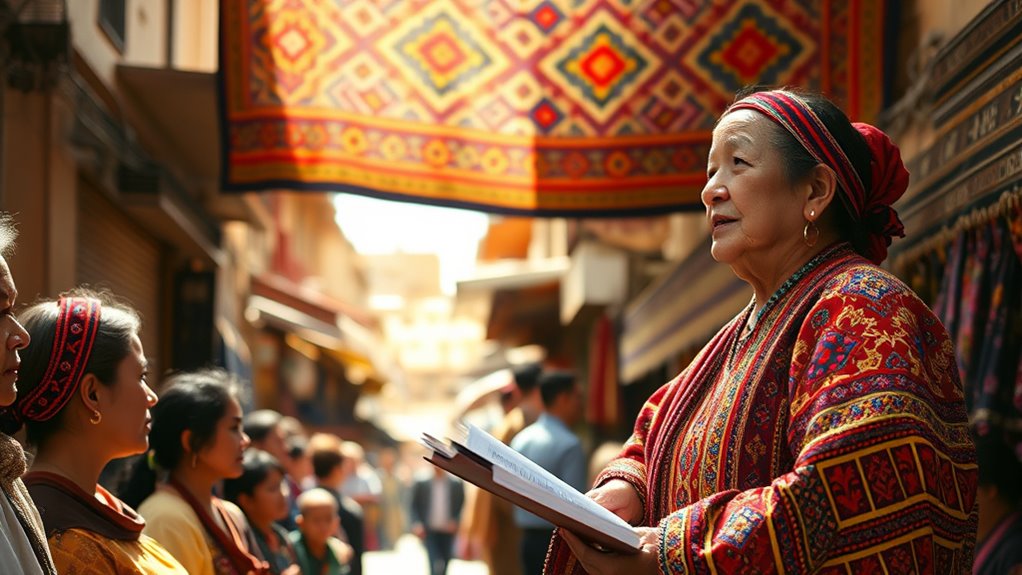

Cultural authenticity in storytelling is essential because it helps you create genuine connections and avoid harmful stereotypes. When you include diverse voices and accurate representations, your stories become more relatable and respectful. Authentic stories challenge misconceptions, promote understanding, and celebrate cultural differences. By focusing on true cultural nuances, you foster empathy and trust with your audience. If you keep exploring, you’ll discover ways to craft more inclusive and meaningful narratives that truly resonate.
Key Takeaways
- Cultural authenticity fosters genuine understanding and emotional connections between audiences and stories.
- Authentic stories reflect complex identities, avoiding stereotypes that distort cultural perceptions.
- Diverse representation enriches narratives, making them more inclusive and relatable.
- Proper research and listening to authentic voices ensure respectful and accurate cultural portrayals.
- Emphasizing authenticity challenges stereotypes and celebrates cultural differences effectively.
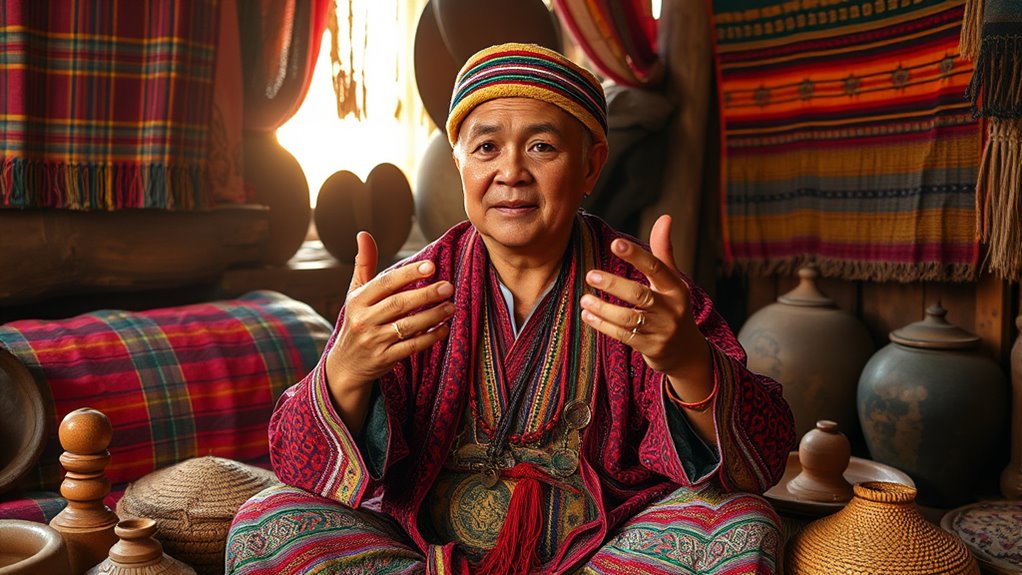
Have you ever wondered why some stories resonate so deeply across cultures while others fall flat? The answer often lies in how well those stories reflect authentic experiences and genuine perspectives. When storytellers rely on cultural stereotypes, the narrative can feel shallow or even offensive, making it difficult for audiences to connect. Stereotypes reduce complex cultures into narrow, often inaccurate caricatures, stripping away the richness and nuance that make real cultures vibrant and relatable. Instead of fostering understanding, stereotypes can reinforce misconceptions and deepen divides. That’s why representation diversity is so essential. When stories incorporate diverse voices and authentic cultural elements, they become more inclusive and meaningful. You want your stories to reflect real-life complexities, not just simplified or exaggerated ideas about a culture. Authentic representation helps break down stereotypes by showcasing the multifaceted nature of people’s lives, beliefs, and traditions. It allows audiences to see characters as individuals, with unique struggles, hopes, and backgrounds, rather than as one-dimensional symbols. When you approach storytelling with a focus on representation diversity, you’re not just adding a splash of color or exoticism; you’re creating a more truthful and engaging narrative. This approach invites empathy and understanding, encouraging viewers or readers to see the world through different lenses. It also signals respect for the cultures you portray, which is vital for building trust and credibility. You don’t need to be part of a culture to tell its stories, but you do need to do your research, listen to authentic voices, and avoid appropriating or misrepresenting cultural elements. When you center authenticity, you’re more likely to craft stories that resonate deeply because they feel real. Audiences can sense when a story is genuine, and that sincerity fosters emotional connection. Additionally, embracing cultural authenticity in storytelling isn’t just about avoiding harmful stereotypes; it’s an opportunity to showcase the full spectrum of human experience. It broadens your perspective and enriches your storytelling toolkit, enabling you to craft narratives that are more compelling and inclusive. So, when you tell stories that honor real cultural nuances and prioritize representation diversity, you contribute to a more understanding and interconnected world. Your stories can challenge stereotypes, celebrate differences, and foster dialogue—making storytelling a powerful tool for cultural authenticity.

The Soul System Acting From The Inside Out: A Practical Guide to Authentic Performance and Intentional Living
As an affiliate, we earn on qualifying purchases.
As an affiliate, we earn on qualifying purchases.
Frequently Asked Questions
How Can Storytellers Ensure Cultural Sensitivity Without Stereotyping?
To guarantee cultural sensitivity without stereotyping, you should actively research and engage with the communities you’re representing. Avoid cultural appropriation by respecting traditions and avoiding superficial or commodified portrayals. Collaborate with community members or cultural experts to gain authentic insights. Stay aware of stereotypes and challenge your assumptions. This approach helps create respectful, genuine stories that honor diverse experiences without relying on harmful clichés or misrepresentations.
What Role Does Audience Background Play in Authentic Storytelling?
Think of your audience as a mirror reflecting their own cultural landscape. Their perception shapes how they see your story, making cultural familiarity the key to authenticity. When you understand their background, you craft narratives that resonate deeply, avoiding missteps. You become a skilled navigator, steering your story through their cultural terrain, ensuring your message is clear, respectful, and genuine, fostering a connection that feels both personal and authentic.
How Is Cultural Authenticity Measured in Storytelling?
You measure cultural authenticity in storytelling by examining how well it captures cultural nuances and maintains representation accuracy. Consider if the story reflects authentic traditions, language, and perspectives true to the culture. You also assess whether characters and settings are portrayed respectfully and realistically. When these elements align, you know the storytelling is genuinely authentic, resonating with the culture and avoiding stereotypes.
Can Cultural Authenticity Hinder Creative Storytelling?
While some think cultural authenticity might gently steer creative storytelling, it actually helps avoid cultural misrepresentation. You won’t find that authenticity hampers artistic freedom; instead, it enriches your stories with depth and respect. By embracing genuine voices, you open up new creative avenues, allowing your storytelling to resonate more authentically. This balance ensures your work is both imaginative and culturally respectful, enhancing your artistic expression without unnecessary restrictions.
What Are Common Pitfalls When Representing Cultures Authentically?
When representing cultures authentically, you risk cultural misrepresentation if you rely on stereotypes or oversimplify traditions. Avoid tokenism in narratives by including diverse voices and genuine perspectives, rather than superficial or surface-level portrayals. You should also be cautious not to exoticize or appropriated cultural elements, which can perpetuate harmful misconceptions. Staying true to authentic stories requires respect, research, and collaboration with cultural insiders to prevent these common pitfalls.

You Should See Me in a Crown
As an affiliate, we earn on qualifying purchases.
As an affiliate, we earn on qualifying purchases.
Conclusion
By prioritizing cultural authenticity, you create stories that resonate deeply and honor diverse perspectives. When you stay true to authentic voices, your storytelling becomes more impactful—studies show that 78% of audiences are more likely to trust and connect with genuine cultural representation. So, embrace authenticity in your narratives; it not only enriches your storytelling but also fosters understanding and respect across cultures. Your stories have the power to bridge gaps and build meaningful connections.

Culturally Responsive Teaching and The Brain: Promoting Authentic Engagement and Rigor Among Culturally and Linguistically Diverse Students
As an affiliate, we earn on qualifying purchases.
As an affiliate, we earn on qualifying purchases.
inclusive storytelling techniques
As an affiliate, we earn on qualifying purchases.
As an affiliate, we earn on qualifying purchases.