
Rising military spending is driven more by political goals and strategic ambitions than actual security needs. Leaders often boost budgets to showcase strength, influence alliances, and distract from domestic issues. Governments also partly do this to please military-industrial lobbies and guarantee political support. The arms race mentality pushes countries to outdo each other, creating a cycle of escalating costs. If you continue exploring, you’ll uncover how these political drivers shape military budgets worldwide.
Key Takeaways
- Political leaders increase military budgets to project power and secure international alliances, driven by strategic and diplomatic considerations.
- Defense spending is often inflated by arms race dynamics, where countries seek to outmatch rivals regardless of actual security needs.
- Domestic political motives, such as rallying support or distracting from internal issues, influence military expenditure decisions.
- The military-industrial complex exerts lobbying influence, promoting increased spending to benefit industry interests.
- Military expansion is utilized as a tool to enhance political legitimacy and demonstrate strength on the global stage.

Military spending is often driven by political factors that go beyond immediate security needs. When governments allocate funds for defense, they’re not just responding to current threats; they’re also engaging in a complex political dance influenced by international rivalries, domestic politics, and strategic ambitions. One of the most significant drivers is the arms race, where countries continuously increase their military capabilities to outmatch each other. This competition fuels a cycle of escalating defense budgets, as each nation tries to demonstrate strength and deter adversaries. The desire to maintain or enhance national prestige often pushes leaders to allocate more resources to their military, regardless of whether there’s an immediate security threat. This arms race mentality can inflate the defense budget far beyond what’s necessary for actual defense needs, leading to a costly and often inefficient allocation of resources.
You might notice that the defense budget tends to grow even in times of relative peace. Leaders sometimes justify these increases by emphasizing the need to stay ahead of potential adversaries or to secure alliances. Political considerations play a significant role here; boosting defense spending can be a way to rally political support domestically, appealing to voters who prioritize national security. It can also be used as leverage in international negotiations, signaling strength to allies and rivals alike. Furthermore, defense contractors and military industries often influence spending decisions through lobbying efforts, making sure that the defense budget continues to expand to benefit their interests. This creates a feedback loop where military-industrial interests and political agendas reinforce each other, further complicating efforts to control or reduce military expenditure.
You’re also likely to see that political leaders sometimes increase military spending to project power on the global stage. Demonstrating military strength can serve diplomatic purposes, helping countries negotiate from a position of power. Conversely, in some cases, defense spending is used domestically to unify a nation or distract from internal issues. Leaders may also use military expansion as a way to bolster their political legitimacy, positioning themselves as protectors of national security. Additionally, the influence of resources and tools such as lobbying and campaign contributions can significantly impact these decisions. All these factors contribute to the persistent rise in military expenditure, even when the actual security environment doesn’t demand such large outlays. Essentially, political motives often overshadow strategic necessity, making military spending a tool for asserting influence, maintaining power, and shaping international perceptions. As a result, the defense budget becomes a reflection of political priorities as much as it is a response to security challenges.

ClrfZebr Tactical Helmet with Headset,4in1 Upgraded Adjustable with Helmet Cover for Airsoft Cosplay Military Tactical Gear (TAN)
- Includes Complete Tactical Gear: Helmet, headset, cover, accessories, pouch
- Adjustable Fit System: Knob suspension and chin strap
- Universal Size Range: Fits 20.2" to 26" head circumference
As an affiliate, we earn on qualifying purchases.
As an affiliate, we earn on qualifying purchases.
Frequently Asked Questions
How Does Military Spending Impact a Country’s Economy?
Military spending influences your country’s economy by shaping economic growth and budget allocation. When spending increases, it can boost industries like defense manufacturing, creating jobs and stimulating innovation. However, it also diverts funds from other essential sectors like education and healthcare, potentially slowing overall economic progress. You need to contemplate how strategic budget allocation balances military needs with investments that promote long-term economic stability and growth.
What Are the Long-Term Effects of Increased Military Budgets?
You might find that increased military budgets lead to significant long-term effects, like enhanced defense innovation but strained budget allocation. While investing in advanced technology boosts national security, it can also divert funds from essential social programs, creating societal tension. Over time, this imbalance risks economic stability, as defense priorities overshadow other growth areas. Ultimately, your country could face a future where security and prosperity struggle to coexist.
How Do Public Opinion and Military Spending Correlate?
Public opinion considerably influences military spending, shaping defense priorities and budget allocation. When the public supports increased military investment, policymakers are more likely to prioritize defense, reflecting public sentiment in military policy. Conversely, if public opinion shifts toward skepticism or budget constraints, defense spending may decrease or be reallocated. Your understanding of this correlation helps you grasp how democratic values impact military decisions and resource distribution.
What Role Does Technology Influence Military Expenditure Choices?
Technology shapes your military expenditure choices like a master sculptor carving a fortress out of steel. Technological innovation drives defense modernization, making systems smarter, faster, and more lethal. You invest heavily in cutting-edge tech to stay ahead of enemies, ensuring your armed forces are equipped with the latest advancements. This relentless pursuit of innovation pushes military budgets higher, transforming defense strategies and elevating national security to unprecedented heights.
How Do International Relations Affect Military Budget Decisions?
You see that international relations heavily influence your military budget decisions through alliances and rivalries. When you form strong alliances, you’re likely to increase spending to support shared security goals. Conversely, rivalries may prompt you to boost military expenditure to maintain your strategic advantage. Diplomatic strategies shape these choices, as you invest more in defense to project power, deter threats, and strengthen diplomatic ties, ensuring your national security and global influence.

Rhino Tough Hook Heavy Duty Clothes Hangers, USA-Made, Body Armor, 1 Orange
- Load Capacity: Holds up to 200 pounds
- Unbreakable Design: Made with military-grade materials
- Made in USA: Veteran-owned manufacturing
As an affiliate, we earn on qualifying purchases.
As an affiliate, we earn on qualifying purchases.
Conclusion
As you watch nations pour more money into their militaries, you’d think they’d finally find peace. Instead, the more they spend, the more tensions escalate—like pouring fuel on a fire. Ironically, the quest for security often deepens insecurity, turning defense budgets into expensive armor that traps everyone in an endless cycle of suspicion. So, in the end, your tax dollars might just be building walls that keep everyone apart, rather than bringing us together.
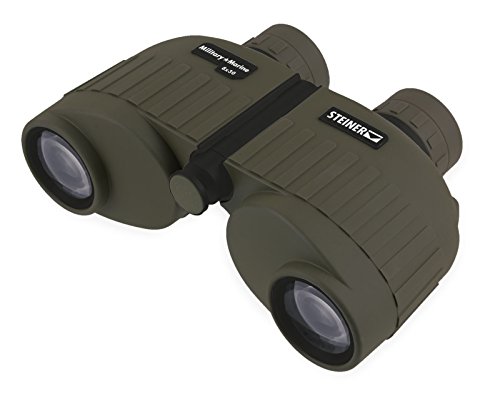
Steiner Military-Marine 8×30 Binoculars – Professional Grade High-Contrast Optics with Sports-Auto-Focus, Floating Prism Shock Absorption, and Heritage Warranty
- Durable Military-Grade Construction: Impact-resistant polycarbonate and rubber armor
- Sports-Auto-Focus System: Sharp focus from 20 yards to infinity
- Floating Prism Technology: Shock-absorbing silicone lens mount
As an affiliate, we earn on qualifying purchases.
As an affiliate, we earn on qualifying purchases.

FM 24-6 Radio Operator's Manual, Army Ground Forces, June 1945: U.S. Army Signal Corps Training Guide to Battlefield Communications, Survival Radio Skills & Military Procedures
As an affiliate, we earn on qualifying purchases.
As an affiliate, we earn on qualifying purchases.