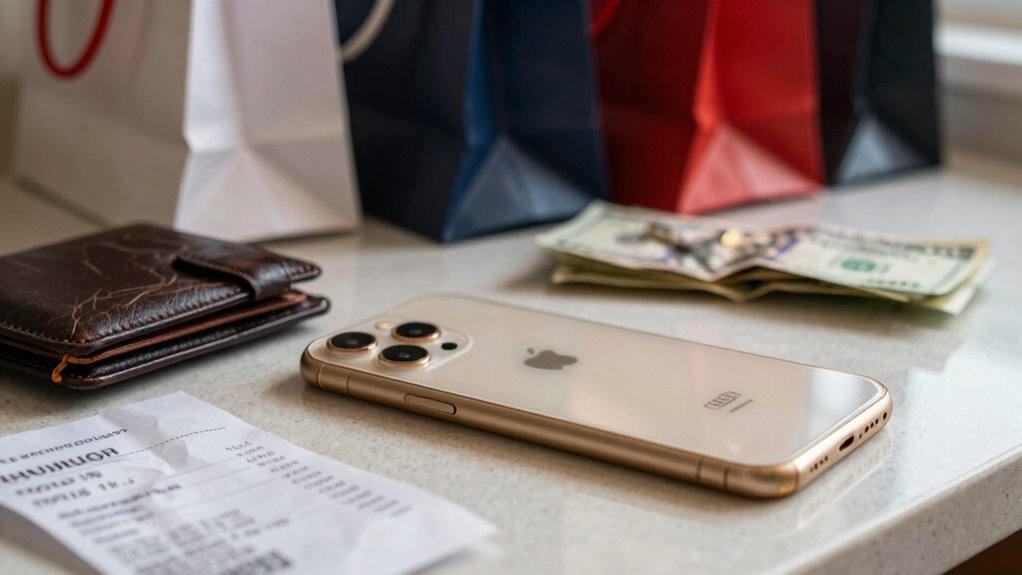

Inflation makes you rethink what qualifies as a premium purchase by shifting your focus from exclusivity to value and authenticity. Higher prices mean you scrutinize quality, craftsmanship, and the story behind a product before investing. You’re more likely to choose items that offer long-term satisfaction or hold value, like jewelry or eco-friendly luxury goods. As your perspective evolves, you’ll discover how brands adapt to this change and what truly defines a luxurious, worthwhile item. Stay tuned to learn more.
Listen free for 30 days with Audible
Thousands of audiobooks and originals — cancel anytime.
As an affiliate, we earn on qualifying purchases.
Key Takeaways
- Inflation shifts perceptions, making luxury items seem more like essential investments than mere indulgences.
- Consumers prioritize quality, storytelling, and authenticity over price alone to justify premium purchases.
- Higher costs lead to increased scrutiny of branding, emphasizing craftsmanship and unique experiences.
- Buyers focus on long-term value and investment potential, such as jewelry or designer items that retain worth.
- Brands must justify higher prices through transparency, heritage, and meaningful attributes to maintain premium status.

Have you noticed how inflation is making premium purchases feel even more costly? As prices rise across the board, your perception of what constitutes a luxury item shifts. What once felt like a splurge might now seem like an essential or a smarter investment. Inflation influences not only the actual price tags but also your understanding of value, changing the way you interpret premium offerings. When the cost of everyday goods increases, you may start to scrutinize luxury branding more closely, questioning whether the higher price genuinely reflects quality or if it’s simply inflated. This shift in perception affects your consumer psychology—your subconscious beliefs about what makes something worth the extra expense.
Luxury branding plays a crucial role here. Brands that once relied on exclusivity and high price points now face the challenge of justifying their costs in an environment where inflation erodes disposable income. As a result, they often reposition themselves, emphasizing craftsmanship, heritage, or unique experiences to maintain their premium status. You, as a consumer, become more selective, seeking brands that clearly communicate value beyond just a hefty price tag. The psychological impact of inflation means you’re more likely to compare, analyze, and sometimes even resist paying top dollar unless you see genuine worth. Your sense of what’s a “worthy” luxury shifts, as you weigh the benefits against the inflated costs.
In this new landscape, your consumer psychology adapts to a more cautious approach. You’re less likely to indulge casually and more inclined to prioritize purchases that offer long-term satisfaction or perceived investment value. For example, you might opt for a well-crafted piece of jewelry or a designer handbag that holds its value better over time, rather than impulsively buying the latest trendy item. As prices climb, you also become more aware of the story behind the product—whether it’s sustainable manufacturing, craftsmanship, or brand reputation—because these factors help justify the premium price. This shift in perception makes you more deliberate, shaping your definition of what counts as a luxury purchase. Additionally, considering consumer deals and financing options can influence your decision-making process, especially when trying to balance quality and affordability.
Furthermore, understanding the impact of contrast ratio on image quality can influence your perception of value in high-end electronics and home theater equipment, where visual performance often justifies higher prices. It’s also important to recognize how perceived value can be affected by inflation, prompting consumers to assess whether the premium is truly warranted. Interestingly, inflation can also lead to a reevaluation of what is genuinely cost-effective, influencing your buying priorities. A deeper understanding of natural pools and eco-friendly backyard features can help you evaluate whether the environmental benefits justify the investment amid rising costs. Ultimately, inflation forces both consumers and brands to reconsider what makes a purchase truly “premium.” It’s no longer just about the sticker price but about the story, quality, and value behind the item. You become more intentional, seeking out meaningful luxury that withstands the pressures of rising costs. In this environment, what counts as a premium purchase isn’t just about exclusivity anymore; it’s about genuine worth, authenticity, and the emotional satisfaction that comes from investing wisely in your desires.
As an affiliate, we earn on qualifying purchases.
Frequently Asked Questions
How Does Inflation Impact Consumer Perception of Luxury Versus Essential Items?
Inflation makes you view luxury branding differently because rising prices can diminish your consumer confidence in high-end products. You might start perceiving certain luxury items as less essential or worth the extra cost. As a result, you could become more cautious about spending on luxury versus essential items, prioritizing value. This shift affects how brands position themselves, and you may seek more affordable alternatives or expect discounts on premium purchases during inflationary times.
Are Premium Products More Affected by Inflation Than Regular Products?
You’ll find that premium products are often more affected by inflation because luxury branding relies on perceived value, which inflation can erode. When prices rise, maintaining premium pricing becomes trickier, and consumers may hesitate. Coincidentally, this shift makes it harder for brands to stand out, impacting their exclusivity. So, yes, premium items typically face more pressure from inflation, challenging their luxury branding and pricing strategies.
How Do Companies Adjust Pricing Strategies During Inflationary Periods?
During inflationary periods, companies often adjust pricing strategies through dynamic pricing to stay competitive and maintain profit margins. You might notice prices fluctuating based on demand or costs. To retain consumer loyalty, businesses may also offer promotions or loyalty programs, ensuring customers feel valued despite rising costs. These strategies help balance profitability with customer satisfaction, allowing companies to adapt effectively to inflation while encouraging continued patronage.
Does Inflation Influence the Perceived Value of Brand Reputation?
Coincidentally, inflation heightens your awareness of value, making you scrutinize brand reputation more closely. As prices rise, you tend to associate perceived quality with long-term reliability, strengthening your brand loyalty if the reputation remains intact. Conversely, if inflation diminishes perceived quality, your trust could waver, leading you to reevaluate what you consider worth paying for. In this way, inflation subtly influences how you perceive a brand’s value.
How Do Inflation Trends Affect Long-Term Premium Purchase Planning?
Inflation trends impact your long-term premium purchase planning by making you reconsider future savings and investment strategies. As inflation rises, you might need to allocate more funds now to secure premium products later, ensuring they retain value. It’s essential to adjust your plans regularly, factoring in inflation’s effect on prices, so your investments grow enough to cover future premium costs without straining your finances.
As an affiliate, we earn on qualifying purchases.
Conclusion
As inflation continues to climb, what once felt like a luxury may soon become a necessity. You might find yourself questioning every big purchase—does this still qualify as a premium buy? The line between indulgence and essential blurs, leaving you on the edge of decision. Keep your eyes open; the next unexpected shift could redefine what you consider a premium purchase. Are you ready for what’s coming next?
As an affiliate, we earn on qualifying purchases.
As an affiliate, we earn on qualifying purchases.
NFL season / tailgating Picks
team gear
As an affiliate, we earn on qualifying purchases.