In continuous‑take dramas, cinematography guides your experience through seamless camera movements and strategic lighting. You’ll notice how smooth tracking shots and subtle pans make you feel like you’re part of the scene, heightening emotional connection. Lighting shapes the mood and highlights key moments, working alongside the movement to create an immersive flow. This synergy pushes storytelling limits, making scenes feel real and immediate. Keep exploring to uncover how these techniques craft their powerful visual impact.
Key Takeaways
- Seamless, unbroken sequences immerse viewers and heighten emotional intimacy through continuous camera work.
- Camera movement guides focus, creating rhythm and making audiences feel like active participants in the scene.
- Lighting techniques shape mood and direct attention, enhancing realism and emotional depth without cuts.
- The synergy of lighting and camera movement maintains visual cohesion and highlights scene significance dynamically.
- This cinematography style crafts an immersive, visceral experience that pushes traditional storytelling boundaries.
Continuous‑take dramas have revolutionized cinematography by immersing viewers in seamless, unbroken sequences that heighten tension and intimacy. As you watch, you notice how the camera movement becomes a essential tool, guiding your focus fluidly through complex scenes without jarring cuts. The camera’s movement isn’t just about following characters; it’s about creating a rhythm that mirrors the story’s emotional pulse. Smooth tracking shots, steady pushes, and subtle pans allow you to feel like a participant rather than an observer, making every glance, gesture, and movement feel immediate and real. This continuous motion pulls you deeper into the narrative, heightening suspense and emotional investment.
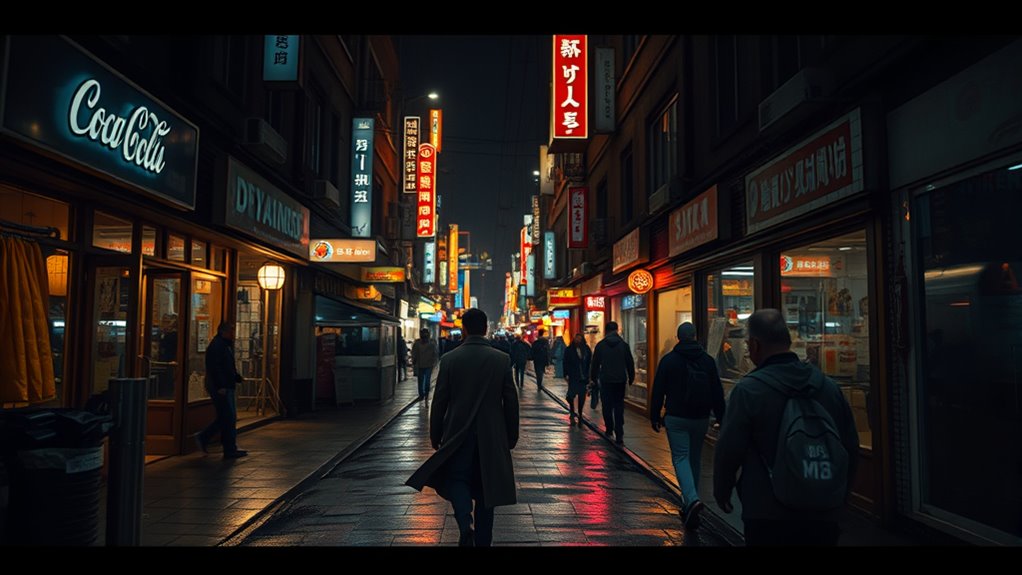
Lighting techniques in these dramas play an equally important role in shaping the mood and guiding your attention. Since there are no cuts to transition between scenes, lighting must be carefully orchestrated to delineate spaces, highlight characters, and evoke specific feelings without disrupting the flow. For instance, you might notice how naturalistic lighting is used to create a sense of realism, making the scene feel authentic and immediate. Alternatively, dramatic shadows and high-contrast lighting can intensify tension, drawing your eye to pivotal moments or characters’ expressions. These lighting choices are meticulously planned to complement the camera movement, ensuring that your focus remains on the narrative’s emotional core. Whether it’s a dimly lit room that cloaks characters in mystery or a brightly lit corridor that signifies hope, lighting techniques are synchronized with camera work to craft a cohesive visual language.
In continuous‑take dramas, the synergy between camera movement and lighting techniques elevates the storytelling. As you follow the action, you may notice how lighting shifts subtly to reflect changes in mood or to emphasize particular characters. The camera’s movement guides you through the space, while lighting cues help you interpret what’s significant at each moment. This dynamic interplay keeps you engaged, making every scene feel alive and visceral. It pushes the boundaries of traditional cinematography, requiring precision and creativity from the filmmakers. Ultimately, it’s this blend of fluid camera movement and deliberate lighting that allows continuous‑take dramas to deliver an immersive experience—drawing you into the story as if you’re right there with the characters, experiencing every moment in real time.
Frequently Asked Questions
How Does Continuous Cinematography Influence Audience Emotional Engagement?
Continuous cinematography enhances your emotional engagement by immersing you in the scene, creating a sense of real-time experience. It boosts visual immersion, making you feel like you’re part of the unfolding story. This technique also deepens emotional resonance, as the seamless flow encourages you to connect more intimately with characters’ feelings and tension. Overall, it keeps you engaged, amplifies emotional depth, and heightens your overall viewing experience.
What Challenges Do Cinematographers Face During Lengthy Takes?
You face significant challenges during lengthy takes, especially maintaining lighting consistency and coordinating actors seamlessly. The theory that continuous shots demand flawless execution is true—you must anticipate issues early. You need to guarantee lighting stays uniform to prevent distractions, and actors must hit marks perfectly without breaks. This requires meticulous planning, clear communication, and real-time adjustments, making lengthy takes both technically and creatively demanding.
How Does Camera Movement Affect Storytelling in Continuous-Shot Dramas?
Camera movement in continuous-shot dramas enhances storytelling by maintaining camera stability and framing consistency, keeping viewers engaged without distraction. When you use smooth, deliberate movements, you guide the audience’s focus seamlessly through scenes, emphasizing key moments and emotions. Controlled camera work allows you to create a sense of real-time immediacy and intimacy, making the story more immersive. Proper movement guarantees the narrative flows naturally, strengthening the overall impact of the drama.
What Equipment Is Essential for Executing Seamless Long Takes?
To execute seamless long takes, you need essential equipment like camera stabilization tools such as gimbals or Steadicams, which keep your shots smooth. Additionally, careful lens selection is vital; opt for wide-angle lenses to capture expansive scenes or fast-aperture lenses for low-light conditions. These tools help you maintain fluidity and focus, allowing you to craft immersive, continuous shots that engage viewers without interruption.
How Do Directors Plan Shots for Uninterrupted Scenes?
You plan shots for uninterrupted scenes by meticulously coordinating camera choreography and actor movements. For example, in “Birdman,” directors rehearse every move, ensuring smooth shot progressions. You break down each scene into detailed shot lists, rehearse camera movements repeatedly, and use pre-visualization to align technical and performance elements. This careful shot coordination guarantees seamless execution, making the scene appear as one continuous shot.
Conclusion
As you watch continuous‑take dramas, you become immersed in a living, breathing tapestry woven by masterful cinematography. It’s as if time itself bends and stretches, pulling you deeper into the story’s heartbeat. Every unbroken shot guides you through a whirlwind of emotion and tension, making you feel like a silent witness to life’s rawest moments. Ultimately, the camera’s seamless dance invites you to experience the story not just with your eyes, but with your very soul.