
TL;DR

Get movie nights delivered free with Prime
- Fast, free delivery on millions of items
- Prime Video, Amazon Music and more included
- Member-only deals all year
Pop culture collectibles’ value hinges on scarcity, condition, authenticity, and cultural impact. Knowing how to evaluate these factors helps you make smarter buying and selling decisions.
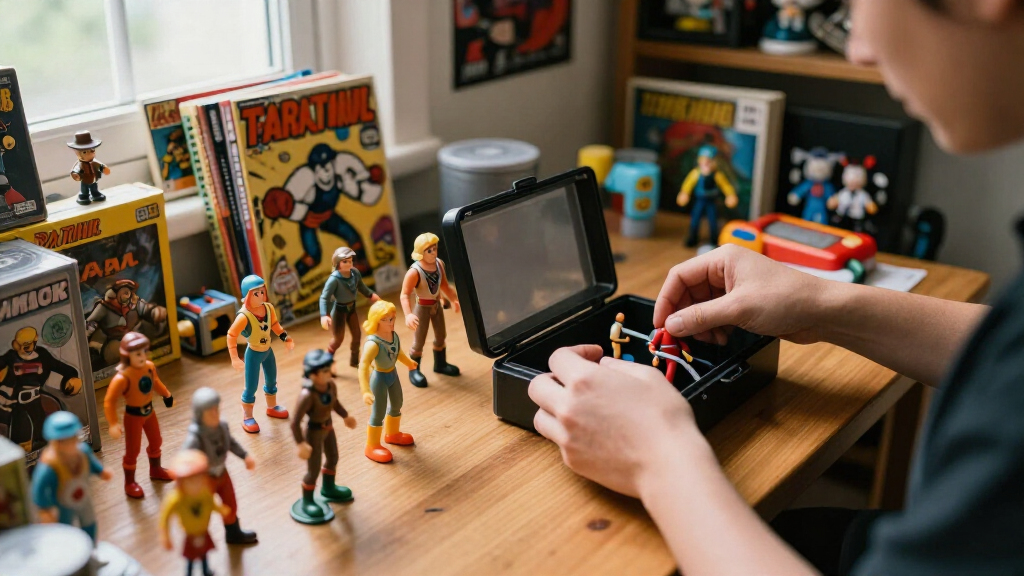
Imagine holding a rare action figure or a vintage comic that sparks a flood of memories. Now, think about how some objects fetch thousands, while similar items sit unsold. The secret isn’t just rarity — it’s what makes these objects matter to collectors today.
In this article, you’ll learn what truly influences a pop culture collectible’s worth, from scarcity to cultural importance. Plus, you’ll get practical tips on buying smart, selling safely, and keeping your collection in top shape.
Focus on scarcity, condition, and cultural importance when evaluating collectibles.
Always compare recent sale prices, not asking prices, to gauge true market value.
Professional grading can boost value but involves costs and varying standards.
Store collectibles properly to preserve their condition and value over time.
Buy from trusted sources and verify authenticity to avoid scams and counterfeit items.
What really makes a pop culture collectible worth big money?
The value of a pop culture collectible boils down to a few key factors. Scarcity is king. If only 100 of a limited-edition action figure exist, it’s more likely to fetch a premium. Condition also matters — a mint-condition comic or unopened card pack commands higher prices.
Authenticity and provenance are your best friends. A signed poster with a certificate from a trusted expert is much more valuable than a counterfeit. Cultural significance — think first appearances or iconic characters — keeps some items forever popular. Demand and nostalgia can turn a modest item into a hot commodity, especially when a franchise hits a new milestone.
Understanding why these factors matter helps you grasp the tradeoffs involved. For instance, a rare item in poor condition might be less desirable than a slightly more common but pristine piece. Similarly, an item with strong cultural importance might command a higher price even if it’s not extremely scarce, because its story or symbolism resonates deeply with collectors. Recognizing these nuances allows you to evaluate what truly makes an item valuable and whether it aligns with your collecting goals.
Popular right now

Vitamix Propel Series 750 Professional-Grade Blender, 4 Programs, Black

Vitamix Propel Series 510 Professional-Grade Blender, 3 Programs, Black

Dyson Cyclone V10 Origin Cordless Vacuum
As an affiliate, we earn on qualifying purchases.
Why recent market trends are reshaping collectible values
After the pandemic boom, the market has settled into a calmer rhythm. Collectibles soared in 2020 and 2021 as people stayed home and rediscovered old favorites. Now, prices for common items have cooled, but rare, graded, or historically significant pieces still shine.
Third-party grading exploded in popularity, especially for trading cards, comics, and toys. A grade can boost a card’s value by 50% or more, but it’s not foolproof. Experts warn that grading standards vary, and overgrading or resubmitting can skew the market.
Meanwhile, social media and livestream sales have revolutionized discovery. Live auctions and influencer-driven buys make it easier to find hidden gems — but they also tempt impulse buying and market manipulation.
Digital collectibles, especially NFTs, lost some hype but shifted focus. Now, brands offer in-game items, memberships, and physical tie-ins, making digital ownership more about access than ownership rights.
Authentication tech also advanced, with tamper-proof seals, digital provenance, and forensic analysis helping fight counterfeits, though scammers also innovate. Meanwhile, entertainment companies push limited editions, causing manufactured scarcity and creating new demand cycles.
Global markets open doors to Asian pop culture, from K-pop merch to anime figures, broadening what’s collectible and valuable across borders.
Understanding these trends reveals how the market is constantly evolving, affecting what items are sought after and how their value is perceived. For collectors, staying informed about these shifts means being able to adapt strategies—whether that’s investing in grading, exploring international markets, or leveraging digital platforms—to maximize your collection’s potential.
How to tell if a collectible is actually valuable
Here’s a quick checklist to evaluate a pop culture collectible’s worth:
- Recent sales data: Always compare to recent sold listings, not asking prices. This helps you understand what buyers are actually willing to pay, avoiding inflated or unrealistic prices that can mislead your assessment.
- Condition: Check for tears, fading, missing parts, or repairs. Condition directly impacts value because it reflects the item’s preservation and desirability. A well-maintained item suggests careful handling and can command a premium.
- Authenticity: Look for certificates, holograms, or verified provenance. Authentic items maintain their value over time, while counterfeits can severely diminish your investment. Recognizing telltale signs of authenticity helps prevent costly mistakes.
- Cultural significance: Is it a first edition, a rare variant, or tied to a landmark event? Items with unique cultural stories often hold more emotional and monetary value, especially if they mark a moment in pop culture history.
- Demand: Is the franchise still popular? Has it recently been in the news or rebooted? High demand sustains or increases value, but market trends can shift quickly, so timing your purchase or sale is crucial.
- Completeness: Original packaging, inserts, and accessories boost value because they preserve the item’s original context and appeal. Missing components can reduce desirability, but sometimes, even incomplete items are collectible if they are rare or significant enough.
For instance, a mint-condition 1982 Star Wars Kenner toy in its original box sells for thousands, whereas a loose, damaged figure might be worth only a fraction. Recognizing these factors helps you determine whether an item is worth investing in or selling at the right time.
The comparison table: Graded vs. Ungraded collectibles
| Feature | Graded | Ungraded |
|---|---|---|
| Authenticity assurance | High — verified by experts | Depends on seller reputation |
| Market value | More stable, often higher | Variable, often lower |
| Resale potential | Better, especially at auction | Less predictable |
| Price premium | Usually 20-50% more | Lower or none |
Consider grading if you have a high-value item, but factor in fees and shipping costs. For casual collecting, ungraded items can still be fun and affordable.
How to keep your collectibles in top shape
Proper storage can make or break your collection’s value. Keep items away from sunlight, high humidity, and extreme temperatures. Use acid-free sleeves, boxes, and mounts. Avoid PVC plastics which can cause yellowing over time.
Handle objects with clean hands or gloves. Store collectibles upright or flat, depending on their nature. For paper-based items, use archival-quality sleeves and backing boards. For figures or toys, keep them in display cases to prevent dust and damage.
Take photos and keep receipts, provenance records, and insurance appraisals. If a piece gets damaged, consult a professional before attempting repairs. Never clean or restore valuable items yourself — a mistake can permanently reduce their worth.
For example, a vintage comic stored in a cool, dark room and protected by acid-free sleeves will likely stay mint longer than one left in a damp basement.
Avoiding scams and protecting your investment
Always buy from reputable sources: established dealers, trusted auction houses, or verified online marketplaces. Look for clear photos, detailed descriptions, and return policies. For high-value items, get independent authentication and insurance before buying or shipping.
Be wary of red flags like suspiciously low prices, vague provenance, or unverified signatures. Counterfeit collectibles and forged autographs are common, especially online. Comparing materials, logos, and packaging to verified examples helps identify fakes.
Document everything — photos, receipts, certificates. If you plan to sell, keep detailed records of all transactions. This helps prove ownership and authenticity, especially if questions arise later.
For instance, a collector who bought a signed Marvel poster from a reputable dealer with a certificate of authenticity can rest easier than someone who purchased a similar item on an unknown marketplace.
Conclusion
Your collection is more than just objects — it’s a story of pop culture history. By understanding what drives value, you can make smarter choices and enjoy your hobby more confidently.
Remember: Collecting should bring joy, not stress. Keep your eyes open, handle with care, and let your passion guide you to the treasures that truly matter.