
TL;DR

Get movie nights delivered free with Prime
- Fast, free delivery on millions of items
- Prime Video, Amazon Music and more included
- Member-only deals all year
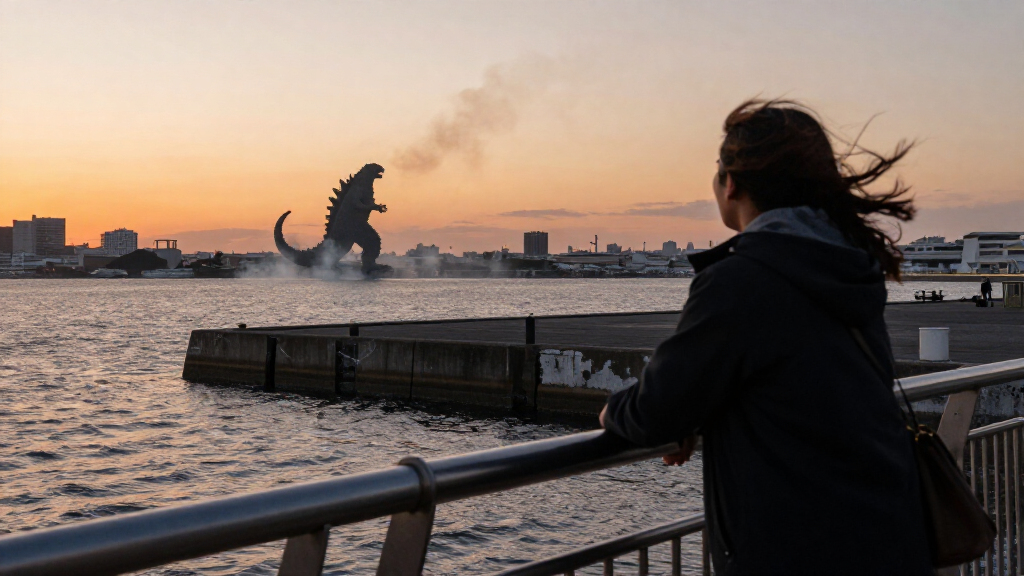
A FANGORIA report argues that the most disturbing part of Godzilla Minus Zero is not its monster action but its graphic depiction of people coping with mass destruction. The article describes injured civilians, separated families, makeshift hospitals and imagery of the Hiroshima bombing; those descriptions are the outlet’s account, not independently verified details here.
FANGORIA has published a report on what it calls the most disturbing element of Godzilla Minus Zero: scenes depicting civilian suffering after the monster’s destruction, rather than the creature itself. The article describes injured people, children separated from family members and bodies in crowded makeshift hospitals, framing the film’s violence through its consequences for survivors.
In the report, contributor Ryan Scott says director Takashi Yamazaki presents the aftermath of Godzilla’s attack from a ground-level perspective. Scott describes scenes of bloodied people and families torn apart, arguing that the imagery makes the damage feel more immediate than destruction shown as spectacle alone. These are descriptions from FANGORIA’s review, not independently confirmed scene-by-scene findings in the supplied material.
The article also says the film depicts the aftermath of the Hiroshima bombing in graphic terms. Scott connects that material to the story’s historical setting and argues that it makes collateral damage central to the movie’s approach. The source does not provide specific scene details beyond that characterization, so the precise images and their placement in the film remain unspecified here.
FANGORIA describes the sequel as the series’ first R-rated movie and says Yamazaki uses that rating to show more graphic consequences of violence. The source offers no ratings-board record or additional release information to substantiate that franchise-wide claim. It says the movie is in theaters now, but does not give a release date, box-office figures or a detailed account of audience response.
Civilian Costs Take Center Stage
The report’s focus matters because it shifts attention from the scale of the kaiju battles to the people left in their wake. Images of injured survivors, missing relatives and overwhelmed hospitals can make destruction register as a human crisis, rather than simply as a visual set piece. That distinction is central to Scott’s reading of the film.
The approach also connects the sequel to Godzilla’s postwar origins. FANGORIA says the 1954 film responded to the destruction of World War II, while Yamazaki’s movie brings that concern into a newer production through its depiction of historical and monster-related devastation. The report presents this as an interpretation of the film’s themes, not as a statement from the director about his intentions.
For readers deciding whether to see the movie, the article signals that its content may include graphic depictions of injury and death, as well as distressing scenes involving family separation and wartime destruction. It does not provide a formal content advisory or a full list of potentially upsetting material.
Popular right now

KitchenAid Artisan 5-Quart Tilt-Head Stand Mixer, Almond Cream

LG S90TR 7.1.3‑Channel OLED Evo TV Matching Home Theater Soundbar (Black)

Breville Bambino Espresso Machine, Brushed Stainless Steel
As an affiliate, we earn on qualifying purchases.
A Sequel With Postwar Roots
The supplied FANGORIA report identifies Godzilla Minus Zero as a follow-up set two years after the events of Minus One, with Japan still rebuilding after Godzilla’s attack. It says King Ghidorah appears and brings renewed destruction. The article’s main point, however, is that the human aftermath—not the new monster—is what it considers most disturbing.
FANGORIA places this emphasis within the franchise’s history. It describes Ishiro Honda’s 1954 Godzilla as a response to World War II atrocities and says the original film was harrowing for its time. Scott argues that Yamazaki carries that concern into the present while retaining the scale and spectacle of a monster movie.
The source material contains an apparent naming error: it calls the earlier film “Godzilla Minus Zero” in one passage, while elsewhere identifying Minus One as the 2023 predecessor and describing Minus Zero as its sequel. This article follows the latter wording and does not treat the conflicting phrase as reliable release or franchise information.
“the most overtly terrifying movie in this legendary franchise’s 70-plus-year history”
— Ryan Scott, FANGORIA contributor
Scene Details And Ratings Need Checking
The supplied material is a FANGORIA commentary article, not a production statement or a separate verification of the scenes it describes. It does not include comments from Yamazaki, Toho, the cast or a ratings board. The article’s judgments about how graphic or disturbing the movie is should be understood as the writer’s assessment.
Some claims also need further sourcing. The report calls this the franchise’s first R-rated film, but provides no rating citation. It says the movie is in theaters now without stating the date or territories. The supplied text’s conflicting use of “Godzilla Minus Zero” for the earlier film further complicates the timeline. No box-office data, full reviews roundup or detailed content advisory is included.
Theatrical Run And Audience Response
According to the supplied report, Godzilla Minus Zero is currently in theaters. The source gives no schedule for streaming, home video or an expanded release, so those plans cannot be stated. It also does not provide audience figures or subsequent critical responses.
Further reporting could confirm the film’s rating and release details through official listings and gather comments from the filmmakers about the historical imagery. Until then, the specific claim supported by this source is that FANGORIA has drawn attention to the film’s graphic portrayal of civilian suffering and read it as a defining part of the sequel.
Key Questions
What does FANGORIA identify as the film’s most disturbing element?
The report points to the human aftermath of destruction: injured civilians, separated families and crowded makeshift hospitals, rather than Godzilla or King Ghidorah alone.
Does the report describe Hiroshima-related imagery?
Yes. FANGORIA says the movie depicts the aftermath of the Hiroshima bombing graphically, but the supplied material does not give specific scene details.
Is Godzilla Minus Zero confirmed as the franchise’s first R-rated movie?
The report makes that claim, but the supplied source text does not cite a ratings-board record. It should be treated as FANGORIA’s claim pending independent confirmation.
When and where can viewers watch the film?
The report says the film is in theaters now, but gives no release date, territory list or later streaming and home-video plans.
Source: fangoria.com