Many believe that Blue Zones longevity comes only from plant-based diets, but that’s a myth. The truth is, their success relies on a balanced mix of moderate eating, physical activity, strong social bonds, and cultural habits that emphasize community and purpose. These regions include some animal products, and lifestyle choices matter just as much as food. If you want to discover the full picture behind their incredible longevity, keep exploring the deeper science.
Key Takeaways
- Blue Zones longevity is influenced by lifestyle, social bonds, and activity, not solely by diet.
- These regions include moderate amounts of animal products, emphasizing balance over strict plant-based eating.
- Cultural and social practices, like shared meals and active routines, play a crucial role in longevity.
- Strict vegan or vegetarian diets are not a requirement; moderation and overall lifestyle are more important.
- Scientific research highlights a holistic approach—diet, social engagement, and purpose—as key to longer, healthier lives.
For years, the Blue Zones diet has been praised as a secret to longevity, but recent research is busting some common myths. Many people assume that adopting certain dietary habits from regions like Okinawa or Sardinia automatically guarantees a longer life. However, understanding what truly contributes to longevity requires digging beyond simple stereotypes about Mediterranean habits or plant-based myths. It’s tempting to think that just eating lots of vegetables or following a specific diet plan is enough, but science shows that the picture is more nuanced.
Blue Zones longevity isn’t just about diet; it’s a complex mix of lifestyle and community.
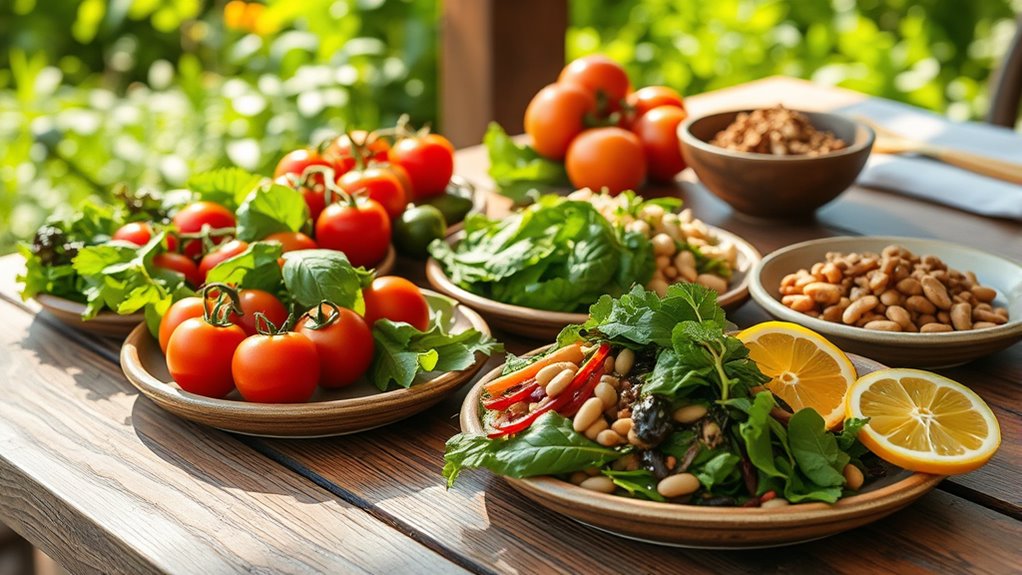
The idea that everyone in Blue Zones lives on a strictly plant-based diet is an oversimplification. While these regions do emphasize vegetables, fruits, legumes, and whole grains, they also include moderate amounts of fish, dairy, and even occasional meat. It’s not about eliminating animal products entirely but rather about moderation, portion control, and eating in a way that promotes overall well-being. The myth that a purely plant-based diet is the only route to a long life ignores the cultural and social factors that are just as important as what’s on your plate.
When you look at Mediterranean habits, it’s clear that longevity isn’t driven solely by food choices. People in these zones tend to have active lifestyles, strong social connections, and a sense of purpose. The Mediterranean diet, often lauded for its heart health benefits, isn’t just about the food but also about enjoying meals with loved ones and staying physically active. These habits foster mental and emotional well-being, which research increasingly links to a longer, healthier life. So, it’s not about a magic recipe of foods but a holistic way of living.
Many myths around plant-based diets suggest that they’re automatically healthier or more sustainable than other eating patterns. While plant-based diets can be beneficial, they’re not a one-size-fits-all solution. Some people may thrive on them, but others may find they need animal products for proper nutrition. The longevity secrets from Blue Zones aren’t rooted in strict dietary rules but in balance, community, and lifestyle choices. You don’t have to become vegan or vegetarian to live longer; instead, focus on creating a sustainable, balanced approach that incorporates the healthy habits of these regions.
Additionally, recent advancements in AI security research highlight the importance of understanding the complex factors behind longevity, emphasizing that science increasingly views health as a multifaceted system rather than a simple diet prescription. In the end, longevity is a complex interplay of diet, activity, social bonds, and mental health. The myths about plant-based diets and Mediterranean habits often distract from the bigger picture. Embracing a well-rounded, mindful lifestyle is what truly makes a difference, not just following the latest dietary trend. The science shows that longevity is about more than just food—it’s about how you live every day.

The Mediterranean Dish: 120 Bold and Healthy Recipes You'll Make on Repeat: A Mediterranean Cookbook
As an affiliate, we earn on qualifying purchases.
As an affiliate, we earn on qualifying purchases.
Frequently Asked Questions
How Do Genetics Influence Longevity in Blue Zones Populations?
Genetics do play a role in longevity, but they’re not the whole story. Your genetic predispositions and hereditary traits can influence how long you live by affecting disease risk and aging processes. However, in Blue Zones populations, lifestyle and environment often outweigh genetics. You can improve your chances of a long, healthy life by focusing on healthy habits, even if your hereditary traits aren’t ideal.
Are Blue Zones Diet Practices Applicable Outside Their Regions?
Think of the Blue Zones’ dietary wisdom as a vibrant tapestry woven with cultural threads. While their practices may seem like a recipe only for those regions, you can adapt core principles—like plant-based eating and moderation—regardless of local ingredients. Cultural dietary habits and regional accessibility shape what’s practical, but the underlying philosophy of whole, wholesome foods can be embraced anywhere, extending longevity beyond Blue Zones’ borders.
What Role Does Physical Activity Play in Blue Zones Longevity?
You should know that physical activity plays a vital role in longevity, especially when it comes to maintaining high activity levels. Regular exercise routines, like walking or gardening, keep you active and healthy. Staying consistent with these routines helps prevent age-related decline and supports a longer life. So, making movement a daily habit boosts your chances of reaching old age with good health.
Can Blue Zones Lifestyle Habits Be Adopted by Urban Dwellers?
You might think adopting Blue Zones lifestyle habits in an urban environment is impossible, but that’s not true. Many Blue Zones secrets, like walking more, eating plant-based foods, and cultivating social connections, can be adapted for city living. By making intentional lifestyle changes and integrating these habits into your daily routine, you can boost longevity even amid urban challenges. It’s all about small, consistent steps toward healthier living.
How Do Socioeconomic Factors Impact Longevity in Blue Zones?
Socioeconomic disparities markedly influence your longevity, as they determine access to community resources like healthcare, nutritious food, and safe environments. When these resources are limited, it becomes harder for you to maintain healthy habits that promote long life. In Blue Zones, strong community support helps mitigate these disparities, but if you face economic challenges, you might struggle to benefit from the same longevity advantages. Addressing these disparities is key to healthier aging for everyone.

Mind Brain Emotion 52 Essential Social Skills Lessons & Teaching Tool Kit – Social Emotional Learning Activities for Parents, Teachers, School Counselor (Kindergarten, Elementary Kids)
- Award-Winning Social Stories: Created by Harvard educator for kids' confidence
- Enhances Social & Emotional Skills: For preschool to elementary, including friendship and manners
- Includes Online Curriculum: For home and classroom with activities and discussion guides
As an affiliate, we earn on qualifying purchases.
As an affiliate, we earn on qualifying purchases.
Conclusion
So, don’t buy into the myth that the Blue Zones diet is some secret formula. Instead, embrace the simple truths: eat mostly plants, stay active, and cherish community. Remember, as the ancients knew long before the internet, true longevity comes from balance and purpose, not quick fixes. Keep these lessons in mind, and you’ll be living proof that timeless wisdom beats any modern fad—just like the philosophers of old, who knew that health is a lifelong quest.

EAST MOUNT Twister Arm Exerciser – Adjustable 22-440lbs Hydraulic Power, Home Chest Expander, Shoulder Muscle Training Fitness Equipment, Arm Enhanced Exercise Strengthener.
- Adjustable Resistance: 22-440 lbs free adjustment
- Durable Construction: Double-layer steel tube for strength
- Stable Triangle Design: Ensures safer, more stable exercise
As an affiliate, we earn on qualifying purchases.
As an affiliate, we earn on qualifying purchases.
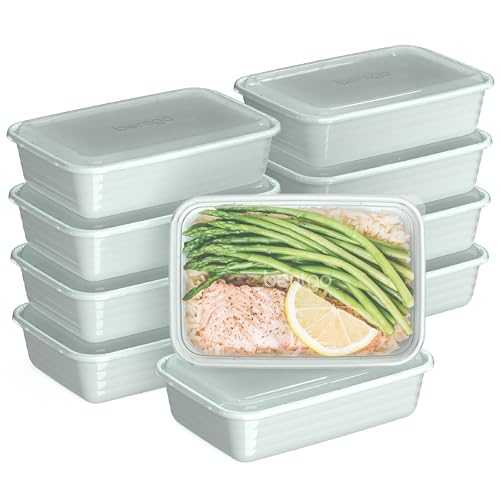
Bentgo Prep Meal Prep Containers with Lids, 20 Piece, PFAS & BPA-Free
- Brand: Bentgo, top meal prep brand
- Set Size: 20-piece meal prep set
- Material: PFAS and BPA-free
As an affiliate, we earn on qualifying purchases.
As an affiliate, we earn on qualifying purchases.