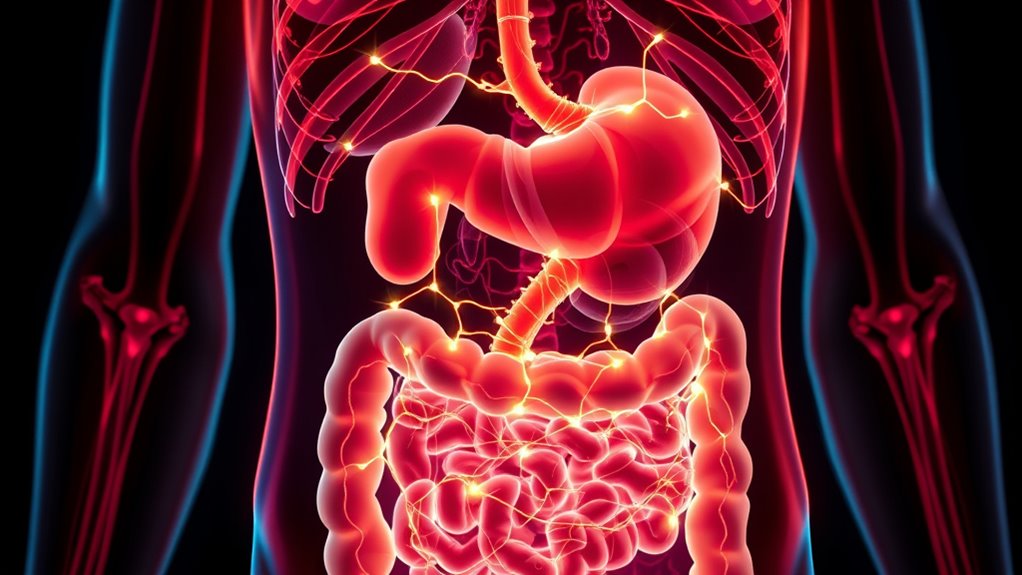

Your gut and brain are closely connected through the gut–brain axis, with the vagus nerve serving as the main communication pathway. This connection influences your mood, stress levels, and digestion. A healthy microbiome and strong vagus nerve promote better mental and digestive health, while imbalances can lead to issues like anxiety and discomfort. Supporting this system through lifestyle habits can enhance overall well-being, and you’ll discover more ways to optimize this essential link as you explore further.

Get movie nights delivered free with Prime
- Fast, free delivery on millions of items
- Prime Video, Amazon Music and more included
- Member-only deals all year
Key Takeaways
- The gut–brain connection involves bidirectional communication primarily through the vagus nerve, affecting mood, stress, and digestion.
- A healthy microbiome supports effective gut-brain signaling; imbalance can lead to anxiety, depression, and digestive issues.
- Stimulating the vagus nerve through techniques like deep breathing, meditation, and cold exposure enhances parasympathetic activity.
- Maintaining microbiome health with fiber-rich foods and fermented products promotes better gut and brain health.
- Strengthening vagus nerve function improves resilience, reduces inflammation, and supports overall mental and digestive well-being.
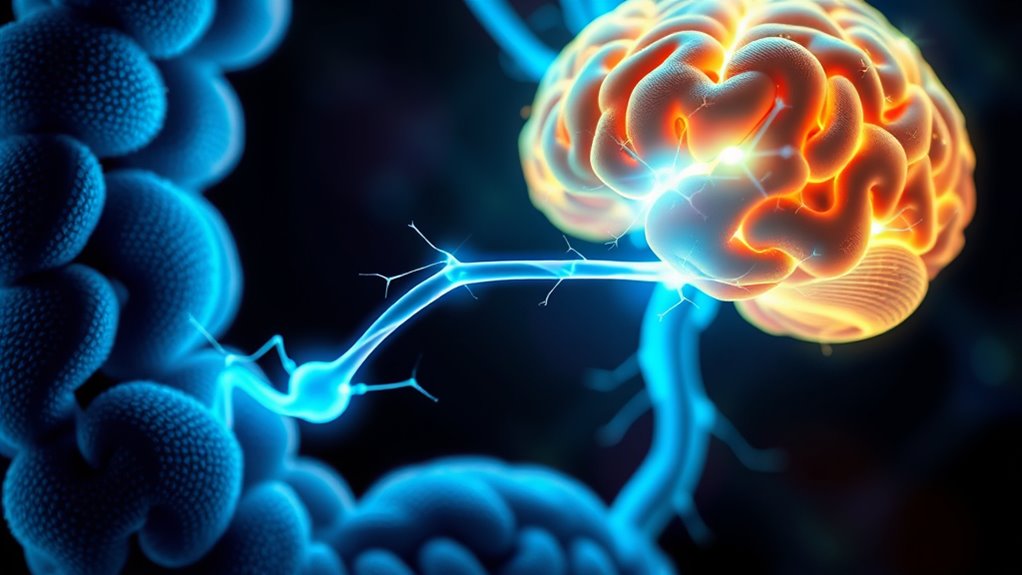
The gut–brain connection plays a essential role in your overall health, with the vagus nerve acting as a critical communication highway between your digestive system and brain. This pathway allows information about your gut’s state—such as nutrient absorption, inflammation, and microbial activity—to reach your brain, influencing mood, stress levels, and even cognitive functions. Understanding how to support this connection can empower you to improve your mental well-being and digestive health simultaneously.
One way you can influence this connection is through microbiome modulation. Your gut hosts trillions of microbes that impact not only digestion but also your immune system and mental health. When your microbiome is balanced, it sends positive signals via the vagus nerve, promoting a sense of calm and well-being. Conversely, an imbalance—caused by poor diet, stress, or antibiotics—can disrupt this communication, leading to issues like anxiety, depression, or digestive discomfort. To support microbiome health, focus on consuming a diverse range of fiber-rich foods, fermented products like yogurt or kimchi, and avoiding excessive processed foods. These steps help foster beneficial bacteria, ensuring your gut remains a healthy hub that communicates effectively with your brain. Additionally, research underscores the importance of high-quality projectors in visualizing complex data, which can metaphorically relate to optimizing your body’s communication pathways for better health.
Vagus nerve stimulation is another powerful tool you can use to enhance this connection. Techniques such as deep breathing exercises, meditation, and cold exposure activate the vagus nerve, promoting parasympathetic nervous system activity—your body’s “rest and digest” mode. Regularly practicing these methods can improve vagus nerve tone, which translates to better regulation of inflammation, mood stabilization, and digestion. Some people also opt for more advanced vagus nerve stimulation therapies, like electrical devices, but simple lifestyle habits often provide significant benefits. By consciously engaging in activities that stimulate your vagus nerve, you strengthen this essential link, making your entire system more resilient.
Popular right now

Bose QuietComfort Ultra Earbuds (2nd Gen), Deep Plum

Dyson V8 Cordless Vacuum

Ninja Foodi 10-Qt DualZone Smart XL Air Fryer, 6-in-1, DZ550
As an affiliate, we earn on qualifying purchases.
Frequently Asked Questions
How Does Stress Affect the Gut–Brain Axis?
When you’re stressed, it disrupts your gut microbiota, leading to imbalances that can cause inflammation. This neuroinflammation affects your brain, making you feel anxious or overwhelmed. Stress also activates the vagus nerve, which can either worsen or help regulate this connection. By managing stress, you support your gut–brain axis, reducing inflammation and promoting better mental and digestive health.
Can Vagus Nerve Stimulation Improve Mental Health?
Think of the vagus nerve as your body’s communication superhighway. Vagus nerve stimulation can boost your mental health by enhancing mood and reducing anxiety. Vagus nerve modulation is increasingly used in mental health therapies, helping to regulate stress and emotional responses. By activating this nerve, you can influence your brain’s chemistry, supporting overall well-being. It’s like tuning a delicate instrument to restore harmony in your mind.
What Foods Support Vagus Nerve Health?
You can support your vagus nerve health by eating fermented foods like yogurt, kimchi, and sauerkraut, which boost gut bacteria and stimulate the nerve. Incorporate omega-3 fatty acids from sources like fatty fish, walnuts, and flaxseeds to reduce inflammation and enhance nerve function. These foods help improve communication between your gut and brain, promoting overall mental health and well-being. Make these foods a regular part of your diet for best results.
Are There Specific Exercises to Strengthen the Vagus Nerve?
Your vagus nerve is a powerhouse, so why not give it a workout? You can strengthen it through simple exercises like deep breathing techniques and meditation practices. Focus on slow, diaphragmatic breathing to activate your vagus nerve and promote relaxation. Regular meditation helps calm your nervous system, boosting vagal tone over time. Incorporate these practices daily, and you’ll notice a calmer, more resilient gut-brain connection that feels almost miraculous.
How Does Sleep Quality Influence Gut–Brain Communication?
Good sleep quality boosts gut–brain communication by supporting your sleep hygiene and aligning your circadian rhythms. When you get enough restful sleep, your vagus nerve functions better, helping regulate digestion and mood. Poor sleep disrupts these processes, weakening the gut–brain connection. To improve this, stick to a consistent sleep schedule, avoid screens before bed, and create a calming environment, allowing your circadian rhythms to stay in sync.
Conclusion
Think of your gut and brain as dancers in a delicate ballet, each move synchronized by the vagus nerve’s gentle touch. When you nurture this connection, you’re tending the strings of a finely tuned instrument, allowing harmony to flow through your entire being. Embrace your body’s silent symphony, where every signal is a note, and every breath a beat. By caring for this essential link, you’re awakening a rhythm that sustains your mind and body in perfect harmony.