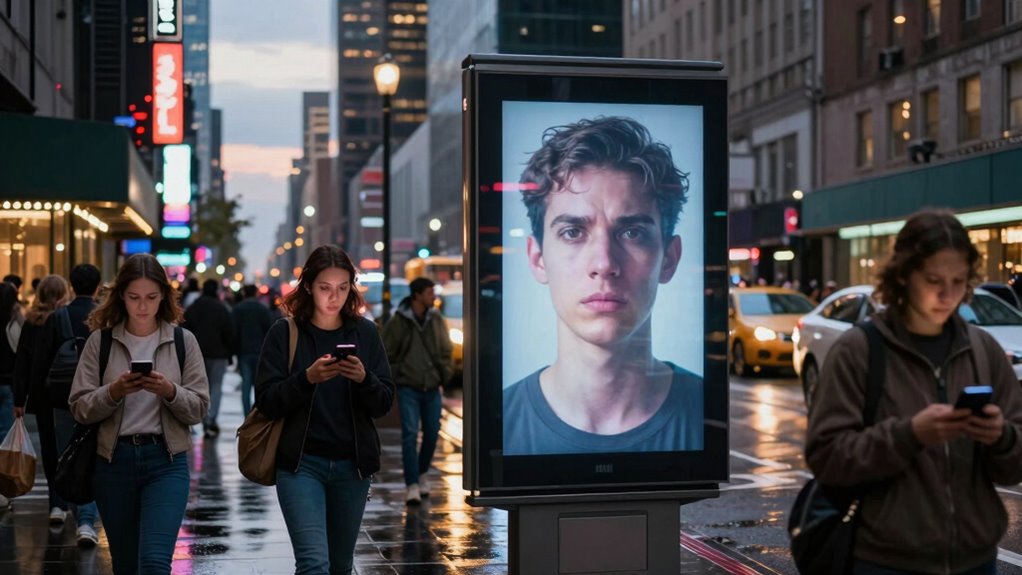
Deepfakes have become a cultural issue because they threaten your trust in media, blur the line between reality and fiction, and raise serious ethical concerns. They can distort perceptions, spread misinformation, and harm individuals’ reputations, impacting society’s understanding of truth. Laws struggle to keep up, and society must rethink notions of authenticity and responsibility. If you keep exploring, you’ll discover how these challenges shape our collective future and what can be done about them.
Key Takeaways
- Deepfakes challenge societal notions of truth, trust, and authenticity, affecting public perception beyond technical communities.
- They raise ethical concerns about privacy, reputation, and morality, impacting individuals and communities.
- The potential for misinformation and political manipulation elevates deepfakes as a broader societal threat.
- Cultural values around honesty, responsibility, and media literacy are being reshaped by deepfake technology.
- Legal and regulatory debates reflect societal efforts to address deepfake misuse beyond the tech sector.
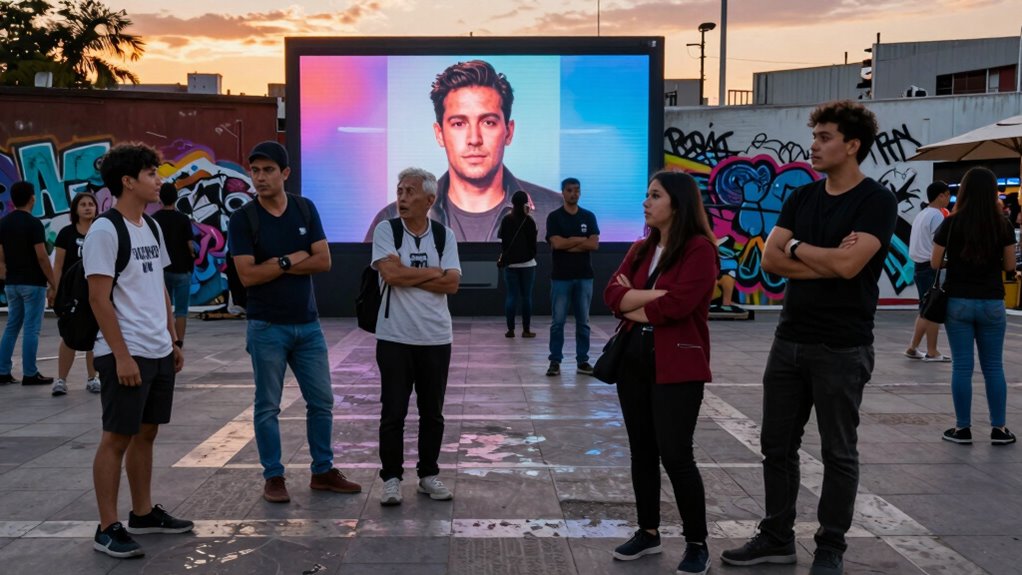
Deepfakes have moved beyond a mere technological curiosity to become a powerful force shaping our culture. As you encounter more realistic videos and images, it’s clear that these manipulated media influence how you perceive truth, trust, and authority. They blur the line between reality and fiction, raising serious questions about legality and morality. The legal implications are vast—laws struggle to keep pace with rapidly evolving technology, making it difficult to hold creators accountable for malicious uses like misinformation, defamation, or fraud. You might wonder, “Is it legal to produce or share a deepfake of someone without their consent?” The answer varies depending on your jurisdiction, but many countries are beginning to develop legislation that targets non-consensual use of deepfake technology, especially when it harms individuals or damages reputations. This legal gray area fuels concern because, without clear regulations, it becomes easier for bad actors to exploit these tools for personal or political gain. Additionally, the technology behind deepfakes** continues to advance rapidly, increasing the potential for more convincing and harder-to-detect manipulated media. This rapid development complicates efforts to establish effective detection and regulation strategies. The challenge is compounded by the rapid evolution of deepfake techniques**, which makes it even more difficult to develop reliable safeguards against misuse.
Beyond laws, ethical concerns dominate the conversation. As someone who consumes media daily, you might feel uneasy about the authenticity of what you see online. Deepfakes challenge your sense of trust—not just in media but in the very fabric of reality. They can be used to spread misinformation, manipulate elections, or defame individuals, raising questions about the morality of creating or disseminating such content. Many argue that deepfakes infringe on personal privacy and dignity, especially when used maliciously. You might worry about the potential damage to innocent people whose images or voices are weaponized against their will. The ethical debate extends to creators and platforms—they must decide whether to develop or promote this technology or to regulate its use responsibly. Some see deepfakes as a tool with legitimate applications, like in entertainment or education, but the risks often outweigh the benefits when malicious intent is involved. Recognizing the influence of media literacy becomes crucial in navigating this complex landscape.
The cultural impact of deepfakes has made the issue a societal concern, not just a tech one. As you navigate a world where information is easily manipulated, you become more aware of the importance of media literacy and critical thinking. The rise of deepfakes pushes society to reconsider what’s real and how to verify truth. It compels policymakers, technologists, and you as a consumer to think about ethical standards and legal frameworks that can address these challenges. Ultimately, the widespread presence of deepfakes forces you to reflect on the values of honesty, trust, and responsibility in a digital age. The conversation isn’t just about technology anymore; it’s about safeguarding the integrity of culture and information itself.

Deepfake and Image Forgery Detection: Cybersecurity, Multimedia Forensics, Image Manipulation (De Gruyter STEM)
As an affiliate, we earn on qualifying purchases.
As an affiliate, we earn on qualifying purchases.
Frequently Asked Questions
How Do Deepfakes Influence Political Elections Globally?
Deepfakes influence political elections globally by fueling fake news and misinformation spread. You might see manipulated videos claiming false information about candidates, swaying public opinion unfairly. These realistic videos can deceive voters, eroding trust in genuine sources. As a result, deepfakes threaten electoral integrity, making it harder for people to discern truth from deception, and amplifying polarization and misinformation during critical democratic processes.
What Legal Actions Exist Against Deepfake Creators?
You should know that legal liabilities against deepfake creators vary by country, but many have introduced content regulation laws to combat malicious usage. Some jurisdictions hold creators accountable for misinformation or defamation, while others impose penalties for unauthorized content. It’s essential to stay aware of evolving laws, as they aim to deter harmful deepfakes and protect individuals’ rights. Legal actions focus on holding creators responsible and enforcing stricter content regulation standards.
How Can Individuals Protect Themselves From Malicious Deepfakes?
To protect yourself from malicious deepfakes, you should prioritize digital literacy by learning how to spot manipulated content—look for inconsistencies or unnatural movements. Use privacy protection tools to limit your online footprint and control who can access your images and videos. Stay cautious about sharing personal information online, and verify content through trusted sources before believing or sharing it. These steps help safeguard your reputation and digital presence.
Are There Ethical Guidelines for Creating Deepfake Content?
Yes, there are ethical guidelines for creating deepfake content to guarantee digital ethics and content authenticity. You should prioritize transparency, clearly indicating when content is manipulated, and respect individuals’ rights and privacy. Avoid creating deepfakes that could spread misinformation or cause harm. By adhering to these guidelines, you help maintain trust and integrity in digital media, fostering responsible content creation that respects societal values.
How Do Deepfakes Impact Celebrity Reputation Management?
Deepfakes can profoundly impact your celebrity reputation management by threatening your privacy and causing reputation damage. When manipulated videos surface, they can spread false narratives, making it hard to control your image. You need to be proactive in monitoring content and addressing fake material quickly. Protecting your celebrity privacy involves working with legal and digital experts to combat misuse and mitigate the harm deepfakes can cause to your public image.
As an affiliate, we earn on qualifying purchases.
Conclusion
You stand at the crossroads of innovation and deception, where deepfakes weave a tapestry of truth and illusion. As these digital chameleons blur reality’s edges, they challenge your trust like a mirage in a desert of misinformation. The cultural storm they stir isn’t just a tech issue—it’s a mirror reflecting society’s fears and hopes. Embrace vigilance, for in this age of shadows, your discernment is the lighthouse guiding through the fog of falsehoods.
As an affiliate, we earn on qualifying purchases.
![WavePad Audio Editing Software - Professional Audio and Music Editor for Anyone [Download]](https://m.media-amazon.com/images/I/B1fcLEGCs6S._SL500_.png)
WavePad Audio Editing Software – Professional Audio and Music Editor for Anyone [Download]
- Professional Audio Editor: Record and edit music, voice, audio
- Audio Effects: Echo, noise reduction, reverb, more
- Wide Format Support: WAV, MP3, FLAC, OGG, and more
As an affiliate, we earn on qualifying purchases.
As an affiliate, we earn on qualifying purchases.