The Digital Divide 2.0 highlights how rural areas struggle to access reliable, high-quality 5G connectivity essential for smart agriculture, telehealth, and economic growth. Without targeted investments and effective infrastructure, these communities risk falling further behind. 5G can transform rural life by supporting real-time data for farming and remote healthcare, but only if the connectivity challenges are addressed. Keep exploring to discover how innovative solutions aim to close this gap and bring inclusion closer.
Key Takeaways
- 5G expands beyond basic access, focusing on quality and advanced digital services in rural areas.
- Infrastructure investments are critical to enable rural communities to leverage 5G for smart agriculture and telehealth.
- Reliable 5G connectivity facilitates real-time IoT monitoring, improving agricultural efficiency and sustainability.
- Enhanced rural networks support telemedicine, reducing healthcare disparities and ensuring timely medical access.
- Complementary technologies, like high-resolution projectors, further bridge the digital divide through improved service delivery.

Have you ever wondered if the digital divide has evolved beyond mere access to the internet? In the era of 5G, this divide now touches on the quality and utility of digital services available to rural communities. It’s not just about whether you can get online anymore; it’s about how advanced that connection is and what opportunities it *liberates*. With 5G, rural areas have the potential to leap forward, but many still face obstacles that prevent full participation in this new wave of connectivity. This is where concepts like smart agriculture and telehealth expansion come into play, transforming rural life and bridging gaps that once seemed insurmountable.
Smart agriculture is a prime example of how 5G can revolutionize rural economies. Traditionally, farming has relied on experience and basic technology, but now, with high-speed, low-latency networks, farmers can leverage IoT devices and sensors to monitor soil health, weather conditions, and crop progress in real time. This means more precise irrigation, targeted pesticide use, and better yield predictions—all driven by instant data transmission. If rural communities lack reliable 5G connectivity, they miss out on these innovations, putting them at a disadvantage compared to urban areas with access to advanced digital tools. When 5G infrastructure is in place, farmers gain a competitive edge, improve sustainability, and boost productivity, which can lead to economic growth and food security.
Similarly, telehealth expansion is transforming healthcare delivery in rural regions. With fast, dependable 5G networks, you can access specialist consultations, remote diagnostics, and continuous health monitoring without traveling long distances. This reduces the gap in healthcare quality between urban and rural areas, ensuring timely treatment and better health outcomes. Without robust connectivity, rural residents often face delays, limited care options, and higher healthcare costs. By closing these gaps, 5G enables healthcare providers to deploy advanced telemedicine solutions, making *all-encompassing* care accessible to everyone, regardless of location.
However, the *shift* to 5G isn’t automatic. It requires substantial infrastructure investment, policy support, and community engagement. If these elements fall short, rural areas risk falling further behind, unable to fully benefit from smart agriculture innovations or telehealth services. The key is ensuring that rural communities aren’t just connected in name but are equipped with the tools, bandwidth, and reliability necessary to thrive in this new digital landscape. As 5G continues to roll out, the hope is that the digital divide will shrink, making rural life more equitable, productive, and connected than ever before. Additionally, advancements in projector technology, such as high-resolution and accurate color reproduction, can enhance remote healthcare and educational initiatives delivered via digital platforms, further bridging the digital divide.

GL.iNet GL-X3000 (Spitz AX) Cellular Gateway 5G Router for House & RV, Wi-Fi 6, Detachable Antennas, Dual-SIM, T-Mobile & AT&T IoT Device Certified, Family/Rural Area/Road Trips
- Fast Wi-Fi 6 Cellular Router: High-speed internet with MU-MIMO technology
- 5G and Dual-SIM Support: Lightning-fast 5G speeds with automatic failover
- Compatible with Major Carriers: T-Mobile and AT&T certified
As an affiliate, we earn on qualifying purchases.
As an affiliate, we earn on qualifying purchases.
Frequently Asked Questions
How Will 5G Impact Rural Education Opportunities?
With 5G, you’ll see rural education improve through faster, more reliable internet access. This boosts digital literacy, helping you navigate online resources more easily. You’ll have greater access to online classes, educational tools, and remote learning opportunities, narrowing the gap with urban areas. As connectivity gets better, you’ll be able to participate fully in digital education, gaining skills and knowledge that prepare you for future success.
What Are Cost-Effective Solutions for Rural 5G Deployment?
You can deploy cost-effective rural 5G solutions by leveraging satellite solutions to cover remote areas without extensive infrastructure. Mesh networks also offer a scalable way to enhance connectivity by allowing devices to relay signals among themselves, reducing costs. Combining these approaches helps extend 5G coverage efficiently, ensuring that rural communities gain reliable, affordable access without the high expenses of traditional network deployment, making connectivity more accessible for everyone.
How Can Local Communities Influence Connectivity Infrastructure?
Did you know only 60% of rural residents have reliable internet? You can influence connectivity infrastructure through community advocacy, pushing for local policies and funding. Your voice can encourage infrastructure investment by collaborating with local leaders and tech providers. By organizing efforts, you create a demand for better connectivity, ensuring rural areas aren’t left behind. Active community involvement can accelerate the deployment of faster, more reliable 5G networks where they’re needed most.
What Are the Privacy Concerns With Increased Rural Connectivity?
When increasing rural connectivity, you’re faced with privacy concerns like data privacy and surveillance risks. As more data flows through connected networks, you might worry about how your information is collected, stored, and used. There’s a risk that authorities or corporations could monitor your online activities without your consent. To protect yourself, stay informed about data policies and advocate for strong privacy regulations that safeguard your personal information.
How Does Digital Literacy Affect Rural 5G Adoption?
Digital literacy plays a vital role in rural adoption of 5G. When you’re comfortable with technology, you can better understand its benefits and how to use it effectively. Limited digital literacy can hold you back from embracing 5G services, preventing you from accessing faster internet, new opportunities, and improved communication. Building digital skills empowers you to fully participate in the digital economy and bridge the rural connectivity gap.

ELECFREAKS microbit Smart Agriculture Kit Micro:bit Sensor Starter Kit Octopus Series Sensor, DIY Programming STEM kit with Basic Coding Electronics Modules and Wiki Tutorial(Without Micro:bit)
- Includes IoT sensors and modules: Temperature, moisture, water level, PIR sensors
- Builds eco-friendly projects: Greenhouses, fish pond monitoring, smart farms
- Educational STEM kit: DIY programming with electronics modules
As an affiliate, we earn on qualifying purchases.
As an affiliate, we earn on qualifying purchases.
Conclusion
In this 5G era, if you think rural connectivity is just a simple upgrade, think again. You’re staring at a digital divide so vast, it’s practically a chasm threatening to swallow entire communities. Without urgent action, the gap will grow so wide, even the most advanced tech won’t be able to bridge it. This isn’t just about faster internet—it’s about whether your rural neighbors will ever truly belong in the digital age.
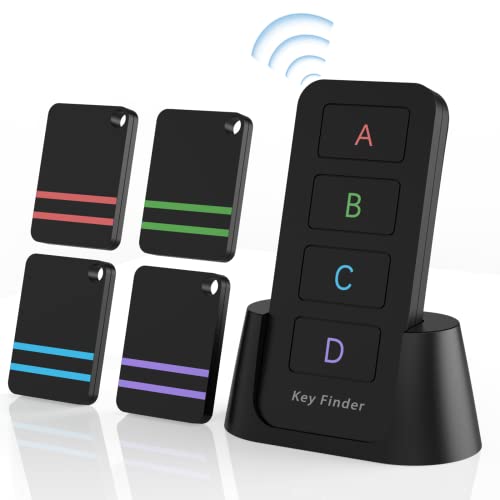
Remote Control Finder, Pack of 4 Find My Keys Device | Stick on Remote Finder Beeper, Tracker Tags for Car Keys and Phones | 120Ft Range 80dB RF Key Locator, Lost Key Finders That Make Noise
- No App Needed: Operates via RF with push button
- Large, Easy-to-Use Design: Big buttons and slim, lightweight tags
- Loud Beeper and Long Range: 85dB sound, 120ft distance
As an affiliate, we earn on qualifying purchases.
As an affiliate, we earn on qualifying purchases.

2026 Upgraded WiFi Extender for Home, Up to 18000Sq.ft Long Range Coverage WiFi Booster, High-Speed Wireless Internet Repeater with Ethernet Port, 15X Faster Signal Amplifier, Works with 99% Router
- Wide Coverage Area: Up to 18,000 sq.ft coverage
- Supports 99+ Devices: Connects multiple smart devices
- High-Speed Internet: Fast, stable WiFi with low latency
As an affiliate, we earn on qualifying purchases.
As an affiliate, we earn on qualifying purchases.