

When designing sustainable AI chips for your company, focus on energy efficiency, scalability, and eco-friendly materials. Utilize specialized processing units to cut power consumption and adopt modular designs that allow upgrades without replacing entire systems. Incorporate durable, environmentally friendly components to extend lifespan and minimize waste. By balancing high performance with environmental responsibility, you can create an AI infrastructure aligned with long-term sustainability goals. Keep exploring how these strategies can transform your approach to sustainable AI.
Key Takeaways
- Incorporate energy-efficient architecture and specialized processing units to reduce power consumption during AI workloads.
- Utilize modular, scalable chip designs to support infrastructure growth and minimize electronic waste.
- Select environmentally friendly materials and eco-conscious manufacturing processes to enhance chip sustainability.
- Implement advanced power management and cooling solutions to optimize energy use and prevent waste.
- Design for durability and upgradeability to extend chip lifespan and adapt to evolving AI demands.

As artificial intelligence becomes integral to business operations, designing sustainable AI chips is more important than ever. Your goal is to create hardware that balances performance with environmental responsibility, guaranteeing your AI infrastructure remains efficient and adaptable. Prioritizing energy efficiency is critical because AI workloads are notoriously power-hungry, and reducing energy consumption not only cuts costs but also minimizes your carbon footprint. When developing AI chips, focus on optimizing architectural elements such as specialized processing units, which can execute tasks more efficiently than general-purpose hardware. This means fewer resources are needed to achieve the same output, leading to significant energy savings. Additionally, incorporating innovative cooling technologies and power management techniques helps prevent unnecessary energy waste, further boosting overall efficiency.
Hardware scalability plays a crucial role in designing sustainable AI chips because your infrastructure must grow alongside your business needs without compromising sustainability goals. You should aim for modular, scalable chip designs that can be expanded or upgraded with minimal waste. For example, scalable architectures allow you to add more processing units as demand increases, rather than replacing entire systems, which reduces electronic waste. It’s also essential to ensure that your AI chips support flexible deployment options, whether on-premises or in the cloud, so you can optimize resource use based on workload requirements. This scalability enables your organization to handle larger AI models and datasets efficiently, without constantly investing in entirely new hardware. Incorporating energy efficiency principles directly into chip design can further enhance sustainability and performance.
Moreover, sustainability isn’t just about the hardware itself; it’s about creating a lifecycle approach. Designing chips with durability and ease of upgrade in mind extends their useful life, delaying obsolescence and reducing waste. Using environmentally friendly materials and manufacturing processes further enhances your sustainability efforts. When you choose to develop chips with energy efficiency and hardware scalability at their core, you’re not only reducing operational costs but also contributing to global sustainability initiatives. This proactive approach ensures your AI infrastructure remains resilient and adaptable, capable of evolving with technological advances and your business needs.

Fitness Tracker with Heart Rate/Blood Oxygen/Sleep Monitor, 20+ Sports Modes Smart Watches for Women/Men, Activity & Step Tracker Smart Watch for Android/iOS Phones (Dark Black)
【24/7 Heart Rate Monitor 】This blood pressure watch supports real-time dynamic heart rate, blood oxygen, blood pressure ,Sleep...
As an affiliate, we earn on qualifying purchases.
Frequently Asked Questions
How Do Sustainable AI Chips Impact Overall Corporate Profit Margins?
Sustainable AI chips can boost your profit margins by enhancing cost efficiency through reduced energy consumption and longer-lasting hardware. Additionally, adopting eco-friendly technology improves your brand reputation, making your company more attractive to environmentally conscious clients and investors. These benefits help you save money over time while strengthening your market position, ultimately increasing profitability and demonstrating your commitment to sustainability.
What Are the Key Challenges in Scaling Sustainable AI Chip Manufacturing?
Scaling sustainable AI chip manufacturing stalls due to supply chain struggles and soaring costs. You face hurdles in sourcing eco-friendly materials, maintaining energy efficiency, and managing complex logistics. Ensuring consistent quality while reducing environmental impact demands diligent diligence and dynamic decision-making. Overcoming these obstacles requires innovative integration, increased investment, and improved infrastructure. By tackling these challenges head-on, you can successfully scale sustainable chip production, boosting both business and environmental goals.
How Does AI Chip Sustainability Influence Data Privacy and Security?
AI chip sustainability enhances data privacy and security by prioritizing energy efficiency, which decreases environmental impact and operational costs. When chips are designed with sustainability in mind, you’ll benefit from improved data sovereignty, as localized processing minimizes data transfer and exposure risks. This approach helps protect sensitive information, ensures compliance with privacy regulations, and strengthens your overall security posture while supporting eco-friendly practices.
What Industries Benefit Most From Sustainable AI Chip Adoption?
Imagine transforming entire industries with sustainable AI chips—you’re at the forefront. Industries like renewable energy, healthcare, and transportation benefit most, because eco-friendly materials and energy-efficient designs cut costs and boost performance. As you adopt these chips, you’ll see greener operations and reduced carbon footprints. The suspense lies in how quickly your sector can leverage this technology to lead the charge toward a sustainable, innovative future—are you ready to make that leap?
Are There Government Incentives for Developing Eco-Friendly AI Hardware?
Yes, there are government incentives available for developing eco-friendly AI hardware. You can access government grants and tax incentives that support sustainable technology projects. These programs aim to encourage innovation in eco-friendly AI chip development, helping you reduce environmental impact and lower costs. By leveraging these incentives, you can accelerate your efforts toward creating energy-efficient AI solutions while benefiting from financial support and regulatory advantages.

LIVIKEY Fitness Tracker Watch with Heart Rate Monitor, Activity Tracker with Pedometer, Sleep Monitor, Calories & Step Counter, IP68 Waterproof Smart Watches for Women Men Fitness Watch for Sports
Heart Rate and Sleep Monitoring: The Fitness Tracker monitors your heart rate automatically all day, and you can...
As an affiliate, we earn on qualifying purchases.
Conclusion
By choosing sustainable AI chips, you’re planting seeds for a greener future, where innovation and responsibility grow hand in hand. As you prioritize energy efficiency and eco-friendly materials, you’re steering your company toward a path as steady as a lighthouse guiding ships through stormy seas. Embracing these designs isn’t just smart—it’s your beacon of progress, illuminating how technology can flourish without draining our planet’s resources. Together, you can turn the tide toward truly sustainable innovation.

Amazfit Active 2 Premium Smart Watch Fitness Tracker (Round) for Android & iPhone, 10 Day Battery, Water Resistant, GPS Maps, Heart & Sleep Monitor, HYROX Mode, Sapphire Glass, Leather + Sport Strap
Stylish Design, Bright Display: The sleek stainless steel build blends classic style with workout durability, while the bright...
As an affiliate, we earn on qualifying purchases.
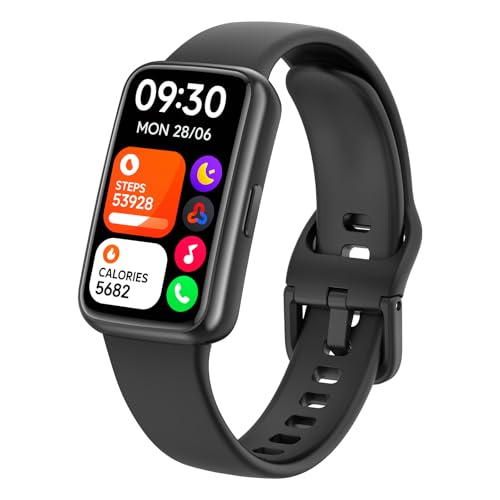
Fitness Tracker Watch for Men & Women, 1.47" HD with Bluetooth, 24/7 Heart Rate & Blood Oxygen Monitor, Sleep & Step Counter, 100+ Sports Modes, 3ATM Waterproof, Compatible with Android iOS Black
24/7 HEART RATE, BLOOD OXYGEN & STRESS MONITORING – Continuously monitor your heart rate, SpO2, and stress levels...
As an affiliate, we earn on qualifying purchases.