
Prestige TV’s cinematic visual style has profoundly shaped mainstream drama by raising production standards and blending film-like techniques. You’ll notice how meticulous framing, lighting, and camera movements create immersive experiences comparable to movies. Color grading sets the mood intentionally, guiding your emotional response without dialogue. This polished look and high-quality visuals now set expectations for TV storytelling. If you keep exploring, you’ll discover how these visual innovations continue to evolve and impact your favorite shows.
Get ready for Prime Big Deal Days — try Prime free
Exclusive member deals on October 6–7, plus fast free delivery. Cancel anytime.
As an affiliate, we earn on qualifying purchases.
Key Takeaways
- Cinematic techniques in prestige TV elevate visual storytelling, setting new industry standards for mainstream dramas.
- Color grading strategies evoke specific emotional responses, shaping audience perceptions and enhancing narrative depth.
- Thoughtful composition and camera work create immersive, film-like experiences that influence mainstream production values.
- High production quality and visual consistency blur lines between TV and cinema, raising viewer expectations.
- Adoption of professional equipment and on-location shooting increase realism and emotional engagement in mainstream dramas.
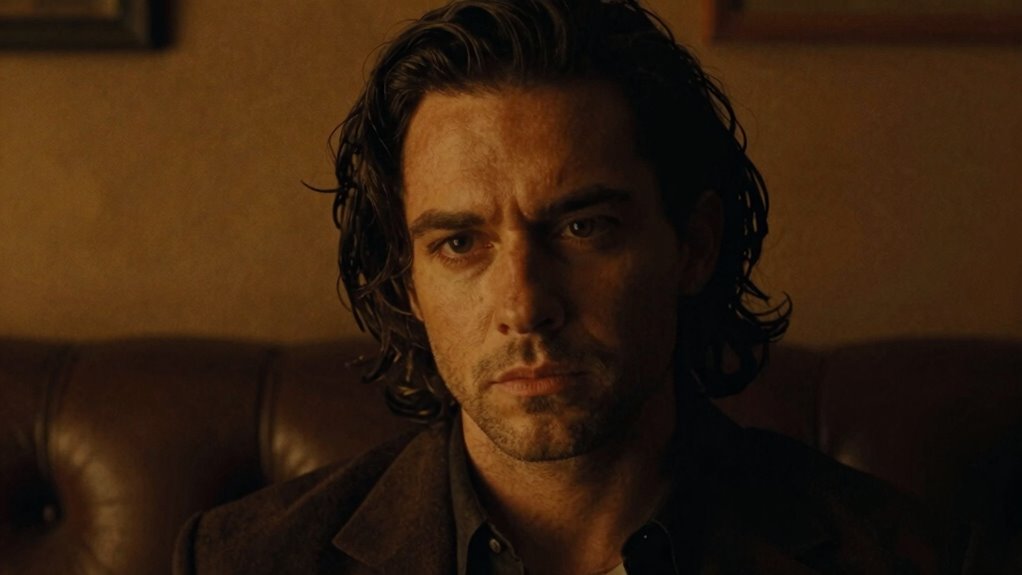
Have you ever noticed how certain TV shows seem to stand out not just because of their stories, but because of their striking visual style? That’s no accident. Creators of prestige TV have increasingly turned to cinematic techniques to elevate their storytelling, making their shows feel more like movies. These techniques—such as meticulous framing, lighting, and camera movements—grab your attention and immerse you in a new world. But equally important is color grading, which sets the tone and mood of each scene, transforming simple visuals into powerful emotional cues. When you watch a prestige drama, the way colors are manipulated isn’t random; it’s a deliberate choice that guides your perception and deepens your connection to the story. Additionally, the adoption of visual storytelling strategies from cinema has become a defining feature of prestige TV, influencing how stories are presented visually. This approach to visual design also involves thoughtful use of composition and framing to enhance narrative impact and emotional resonance. The deliberate use of cinematic techniques helps create a more immersive experience for viewers, blurring the lines between TV and film. Furthermore, the emphasis on ethical considerations in production choices reflects a growing awareness of the social impact of visual storytelling. The increasing use of professional-grade equipment in TV production has also contributed to the cinematic quality, allowing for sharper images and more dynamic visual effects. This focus on visual style influences mainstream dramas by raising audience expectations. Before, TV was seen as more disposable compared to cinema. Now, with high production values and cinematic techniques, viewers expect shows to look as polished and visually compelling as films. Color grading, in particular, allows creators to craft a consistent aesthetic that enhances storytelling. For example, a dark, desaturated palette can evoke dread or moral ambiguity, while vibrant, saturated colors might emphasize hope or chaos. These choices aren’t just aesthetic—they’re narrative tools that help you feel what characters are experiencing without a word being spoken. As prestige TV becomes more mainstream, many shows adopt these visual strategies to stand out. You’ll notice how scenes are carefully composed, with depth of field and dynamic lighting creating a sense of realism or heightened drama. This elevates the entire viewing experience and helps you stay engaged. The use of cinematic techniques also means that shows are increasingly shot on location or with high-quality equipment, blurring the line between traditional TV and film. Color grading, in particular, is used consistently to reinforce themes and character arcs, making the storytelling richer and more nuanced. Ultimately, the influence of prestige TV’s visual style pushes mainstream dramas to look and feel more cinematic. You’re no longer just watching a story unfold—you’re experiencing it through a visually immersive lens. This shift makes storytelling more compelling and elevates the entire medium, ensuring that viewers like you get a richer, more emotionally resonant experience every time you press play.
As an affiliate, we earn on qualifying purchases.
Frequently Asked Questions
How Did Budget Differences Impact Visual Styles in Prestige TV?
Budget constraints often limited prestige TV, but they also sparked visual innovation. You’ll notice that lower budgets pushed creators to find creative solutions, leading to distinctive styles that set shows apart. These limitations encouraged unique camera work, lighting, and set designs, making the visuals more memorable. So, despite financial constraints, budget differences actually fostered innovative visual approaches that influenced mainstream drama’s aesthetic evolution.
What Role Did Technological Advances Play in Shaping Prestige TV Visuals?
Technological advances play a vital role in shaping prestige TV visuals by enabling the use of cinematic lighting and sophisticated color grading techniques. You can now create more immersive, film-like experiences, making scenes more emotionally impactful. These innovations allow you to craft distinct moods and atmospheres, elevating storytelling. As a result, prestige TV looks more polished and cinematic, influencing mainstream dramas to adopt high-quality visual styles that captivate audiences.
Are Certain Genres More Influenced by Prestige TV Aesthetics?
You’ll notice that certain genres, like crime dramas and political thrillers, are more influenced by prestige TV aesthetics. These genres often rely on detailed character development and atmospheric visuals, aligning with audience expectations for depth and realism. By adopting cinematic techniques, they elevate genre conventions, making stories more engaging and visually compelling. This influence helps meet audience demands for high-quality, immersive storytelling that mirrors prestige TV’s sophisticated style.
How Did International TV Productions Adopt Prestige Style Techniques?
International TV productions embraced prestige style techniques like a sponge soaking up water, blending cultural influences with artistic experimentation. You’ll notice richer cinematography, nuanced storytelling, and meticulous set designs reflecting local identities. This adaptation allows global creators to elevate their narratives, making them resonate universally while honoring cultural specificity. By weaving prestige aesthetics into their productions, international shows elevate their storytelling, capturing audiences worldwide and proving that high-quality visual storytelling knows no borders.
What Are the Future Trends in Prestige TV Visual Storytelling?
You’ll see future prestige TV trends focus on innovative cinematic techniques and advanced color grading to deepen storytelling. Expect more immersive visuals, with bold use of lighting, camera angles, and digital effects that heighten emotional impact. Color grading will become more sophisticated, creating mood and tone that draw viewers in. As technology advances, shows will experiment with visual styles, blending realism and stylized aesthetics to keep audiences captivated and elevate the storytelling experience.
color grading monitor for video editing
As an affiliate, we earn on qualifying purchases.
As an affiliate, we earn on qualifying purchases.
Conclusion
In summary, the visual style of Prestige TV has revolutionized mainstream drama, transforming everyday storytelling into cinematic masterpieces. You now watch scenes with a detective’s eye for detail, noticing how every shot, color palette, and lighting choice elevates the narrative. It’s like a visual symphony that captivates your senses and deepens your emotional connection. Truly, Prestige TV’s style is so powerful, it’s practically rewriting the rules of how stories are told on screen—an unstoppable creative force!
lighting kit for film production
As an affiliate, we earn on qualifying purchases.
As an affiliate, we earn on qualifying purchases.
As an affiliate, we earn on qualifying purchases.
Fall Picks
fall essentials
As an affiliate, we earn on qualifying purchases.