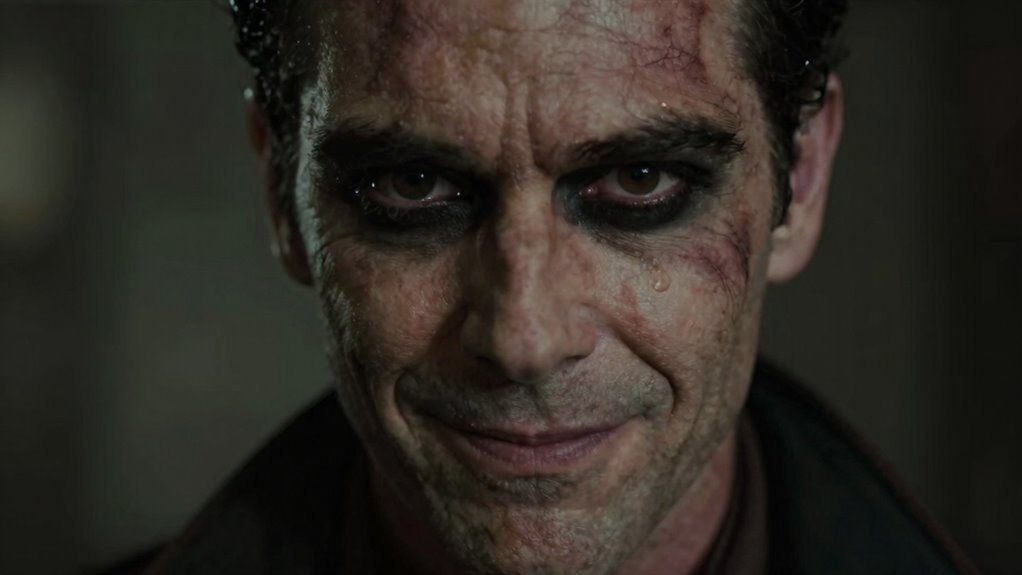

TV villains feel realistic because writers give them psychological depth, complex motives, and moral ambiguity that challenge your ideas of good and evil. They’re crafted with detailed backstories and internal struggles, making them feel more authentic and relatable. Their unpredictable actions and shades of gray keep you engaged and questioning morality. If you want to understand how these layers create compelling villains, stick around—there’s much more to uncover.

Get movie nights delivered free with Prime
- Fast, free delivery on millions of items
- Prime Video, Amazon Music and more included
- Member-only deals all year
Key Takeaways
- Developing villains with psychological depth and internal struggles makes them more believable and relatable.
- Incorporating moral ambiguity blurs the lines between right and wrong, fostering emotional investment.
- Using character development techniques and backstories adds layers of nuance and authenticity.
- Creating internal conflicts and believable motives enhances their complexity and audience connection.
- Adding external influences and personal histories enriches their behavior, making them feel like genuine, multidimensional characters.

Television writers craft villains to feel more than just evil; they create characters who resonate with viewers by giving them depth, motive, and vulnerability. When you watch a well-developed villain, you don’t see just a person embodying malice—you see someone with psychological complexity and internal struggles. These characters are designed to challenge your perceptions, making you question whether they’re truly wicked or simply products of their circumstances. By exploring their backstories and motives, writers add layers of nuance, transforming villains from mere obstacles into relatable, even sympathetic figures. A well-rounded villain often incorporates psychological depth, making their motivations more believable and engaging for the audience. A key element in making villains feel realistic is their moral ambiguity. Instead of being straightforwardly evil, they often operate in shades of gray, blurring the lines between right and wrong. This moral complexity invites you to grapple with your own sense of justice and morality. You might find yourself sympathizing with their reasons or understanding their desperation, even if you don’t condone their actions. This ambiguity makes the characters unpredictable, which keeps you engaged and emotionally invested. You’re not just rooting for the hero; you’re also curious about what drives the villain, understanding that their choices are shaped by complex beliefs and experiences. Additionally, writers often incorporate character development techniques to deepen their portrayal of villains, making them feel more authentic and multidimensional. Recognizing how psychological complexity influences character portrayal can help viewers better appreciate the depth of storytelling in television. Moreover, emphasizing motivation allows writers to craft villains whose actions are rooted in believable reasons, further enhancing their realism. Understanding character motivation can also reveal how external influences and personal history shape their behavior, adding another layer of authenticity.
Popular right now

Shark AI Ultra Robot Vacuum with Self-Empty Base

LG 85-inch QNED75B Mini LED Smart TV Bundle with HDMI and CPS Protection Plan

Dyson Cyclone V10 Origin Cordless Vacuum
As an affiliate, we earn on qualifying purchases.
Frequently Asked Questions
How Do Writers Develop a Villain’s Backstory?
Writers develop a villain’s backstory by exploring their villainous motives and shaping their character complexity. You’ll see them craft detailed histories that reveal what drove the villain to their dark path, often including trauma, betrayal, or unmet needs. This depth makes villains feel realistic, as their motives are layered and humanized. By intertwining these elements, writers create compelling villains whose actions resonate emotionally with viewers.
What Real-Life Traits Make Villains Believable?
They say, “Everyone has a story,” and that’s true for villains too. Realistic villains often possess villainous charisma, making them compelling and believable. Their sinister motives stem from relatable emotions like fear, betrayal, or desire for power, which you can see in real life. These traits create complex characters, showing that even the most villainous individuals can seem genuine when their motives resonate with human nature.
How Do Villains Evolve Over a Series?
Villains evolve over a series by gradually revealing their character motivation, making their actions more complex and relatable. You see their backstory, struggles, and desires, which deepen audience empathy. As the story progresses, their motivations may shift or intensify, creating layered personalities. This evolution keeps viewers engaged, questioning who the real villain is, and makes their development feel authentic rather than static, ensuring they stay compelling throughout the series.
What Psychological Factors Influence Villain Creation?
They say, “The mind is its own place,” and in creating villains, psychological factors like trauma and personality disorders play a big role. You influence their motives and behaviors by exploring past hurts or mental health issues. Psychological trauma often fuels their descent into darkness, while personality disorders shape their unpredictable actions. These elements make villains feel real because they’re rooted in human complexity, not just evil for evil’s sake.
How Important Is Moral Ambiguity in Villain Realism?
Moral ambiguity is essential for villain realism because it adds depth through ethical dilemmas, making characters more relatable and complex. When villains face conflicting motives, their actions seem less black-and-white, reflecting real-life struggles. This character complexity engages you emotionally, making villains feel genuine rather than purely evil. Embracing moral ambiguity allows writers to craft villains who challenge your perceptions and evoke empathy, enhancing their realism and impact on the story.
Conclusion
So, next time you find yourself sympathizing with a TV villain, remember—it’s not just good storytelling, but clever writing that makes them feel real. Ironically, their flaws and complexities are what make them so believable, even relatable. In the end, these villains remind us that everyone has a story behind their darkness. Maybe, just maybe, the line between hero and villain is thinner than it seems—after all, aren’t we all just trying to survive?