You face a tough challenge crafting a pilot because it must immediately hook viewers, introduce characters naturally, and set the tone without overload. You need to balance emotional resonance, pacing, and intrigue to keep people hooked right from the start. Getting all these elements right is tricky because they’re interconnected, and mistakes can turn viewers away. Keep going, and you’ll discover how mastering these aspects can make your pilot stand out from the rest.
Key Takeaways
- Crafting an engaging opening that balances character introduction, mood, and plot sets high expectations and risk of overload or disinterest.
- Establishing the right tone early on is crucial to guide audience perception and avoid misinterpretation of the series’ style.
- Pacing must be precise to develop characters and story without overwhelming viewers or causing boredom.
- Introducing characters naturally while teasing future plotlines demands careful timing and restraint.
- Setting up future episodes requires intrigue and clarity, making the pilot a complex balancing act of engagement and information.

Creating a pilot episode is perhaps the most challenging part of launching a new TV series because it sets the tone, introduces characters, and must hook viewers right away—all within a limited timeframe. You need to craft a compelling opening that immediately captures attention but also provides enough depth to keep viewers interested. This balancing act hinges heavily on character development and narrative pacing. You have to introduce your characters in a way that feels natural yet memorable, giving viewers enough context to care about them without overwhelming them with backstory. It’s a delicate process—you want your characters to feel real, layered, and intriguing from the start, but you also need to leave room for growth and surprises later on.
Crafting a pilot is tough—balancing character depth, pacing, and intrigue to hook viewers from the start.
Narrative pacing plays an essential role here. The pacing in a pilot episode must be tight; you can’t afford to drag or rush through scenes. Every moment needs to serve a purpose, whether it’s revealing character traits, advancing the plot, or establishing the tone. If the story moves too slowly, viewers might lose interest; if it jumps too quickly, they might feel lost or overwhelmed. Striking this balance requires a clear sense of your series’ rhythm—knowing when to slow down for emotional beats and when to accelerate to keep the momentum going.
Getting both character development and narrative pacing right is especially difficult because they’re intertwined. If characters aren’t well-developed, viewers won’t connect emotionally, regardless of how fast the story moves. Conversely, poor pacing can undermine even the most compelling characters, making their moments feel rushed or unearned. As a creator, you have to make intentional choices about what to reveal immediately and what to hold back, ensuring that each scene adds value without sacrificing clarity. Additionally, understanding the content formats that resonate with your audience can help you craft a pilot that is both engaging and accessible.
The challenge also lies in setting up future episodes. Your pilot needs to establish enough intrigue and unanswered questions to encourage viewers to keep watching, but not so much that it feels cluttered or confusing. It’s a fine line—you want to tease enough to spark curiosity but leave room for the story to unfold naturally over subsequent episodes. Ultimately, the pilot’s success depends on how well you balance these elements: delivering a captivating, well-paced introduction that makes viewers eager to see what happens next. That’s why pilot episodes remain the hardest to get right—they’re the foundation upon which your entire series is built.

Crystal Pilot Student Pilot Quick Ref. Guide/Cheat Sheet with Memory Aids for VFR Regs, Airport Markings/Signs, METAR Codes, VFR Acronyms and Radio Calls
Comprehensive VFR Information : Includes essential VFR flight details such as cloud clearance requirements, light gun signals, minimum…
As an affiliate, we earn on qualifying purchases.
As an affiliate, we earn on qualifying purchases.
Frequently Asked Questions
How Do Writers Decide Which Characters to Introduce First?
You decide which characters to introduce first by focusing on character development that best serves your story’s core. You consider how each character’s initial actions and traits influence narrative pacing, ensuring the audience quickly connects with them. You prioritize introducing characters who drive the plot forward or reveal essential themes early on, creating a compelling hook. Balancing these elements helps establish a strong foundation for your pilot episode.
What Budget Constraints Impact Pilot Episode Production?
You face budget constraints that ironically push you to be more creative, yet limit resource allocation, making pilot episodes tough to perfect. With tight budgets, you must prioritize key scenes, often sacrificing extras or elaborate sets. Ironically, these limitations challenge you to craft compelling stories with less, forcing innovative solutions that can either elevate your pilot or hinder its potential. Managing this delicate balance becomes your greatest test.
How Do Creators Balance Originality With Audience Expectations?
You balance originality with audience expectations by using storytelling techniques that showcase fresh ideas while respecting familiar themes. Focus on visual aesthetics to create a mesmerizing first impression that hints at your unique vision. You craft your pilot to introduce innovative concepts without alienating viewers, ensuring your creative voice shines through while aligning with what your audience is enthusiastic to see. This balance helps build engagement right from the start.
What Role Does Network Feedback Play in Shaping Pilots?
Network feedback heavily influences your pilot, guiding revisions to align with their expectations. Their influence can lead you to tweak characters, storylines, or tone, sometimes risking originality. You’ll likely undergo multiple pilot revisions, balancing your creative vision with network demands. This process shapes the final product, making the pilot more appealing to networks and audiences alike, but it also requires flexibility and resilience from you as a creator.
How Important Is Casting for the Success of a Pilot Episode?
Casting choices are essential for a pilot’s success because they directly influence character development and audience engagement. You need actors who embody your characters authentically, bringing depth and nuance that resonate. Poor casting can hinder story delivery and make it harder to develop compelling characters. When you select the right talent, your pilot becomes more believable and engaging, increasing the chances of it resonating with viewers and securing future episodes.
TV series pilot filming equipment
As an affiliate, we earn on qualifying purchases.
As an affiliate, we earn on qualifying purchases.
Conclusion
So, next time you watch a pilot, remember how much effort and risk went into creating it. It’s the episode where everything could fall apart—or suddenly come together. Will it hook you enough to come back for more? The truth is, the best pilots often hide their secrets, leaving you excited to see what’s next, wondering if the story will live up to the promise—or shatter your expectations entirely.
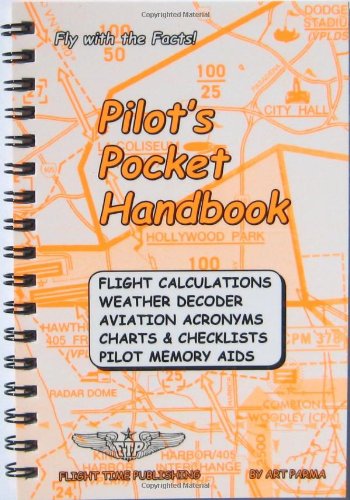
Pilot's Pocket Handbook: Flight Calculations, Weather Decoder, Aviation Acronyms, Charts and Checklists, Pilot Memory Aids
Used Book in Good Condition
As an affiliate, we earn on qualifying purchases.
As an affiliate, we earn on qualifying purchases.

Skytex Softbox Lighting Kit(2Pack), 20x28in Soft Box | 85W 2700-6400K E27 LED Bulb Continuous Photography Lighting, Photo Studio Lights Equipment for Camera Shooting, Video Recording
The kit included: 2pcs 20" x 28"/50cm x 70cm Softbox +2pcs 85W 2700-6400K 100V-240V LED Light Bulb +…
As an affiliate, we earn on qualifying purchases.
As an affiliate, we earn on qualifying purchases.