

In exploring *Andor* and the reluctant hero trope, you see how Cassian Andor embodies quiet resistance—hesitant yet determined. His internal struggles and moral ambiguity make him relatable, showing that heroes don’t have to jump into action but grow through doubt and uncertainty. This subtle form of rebellion emphasizes personal evolution over boldness. If you keep exploring, you’ll uncover how his journey highlights the power of internal resistance and nuanced heroism.
Key Takeaways
- Cassian Andor exemplifies the reluctant hero trope through his internal conflicts and gradual acceptance of rebellion.
- The show highlights quiet resistance, emphasizing subtle acts of defiance over overt rebellion.
- Andor’s moral ambiguity and internal struggles deepen character development and resonate with realistic heroism.
- His journey underscores personal growth by confronting fears, doubts, and ethical dilemmas.
- The narrative explores how internal hesitation can lead to impactful, genuine resistance against injustice.
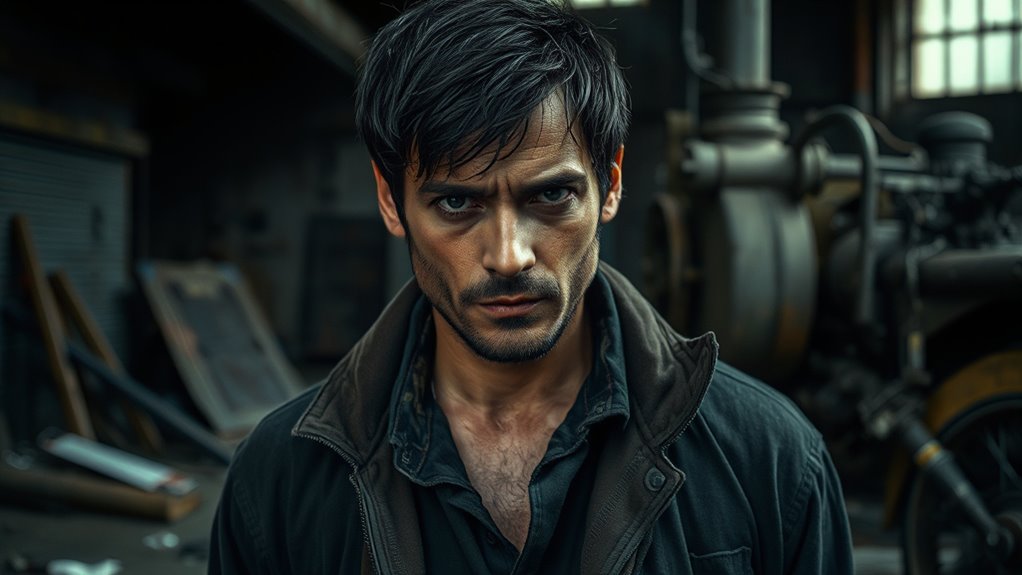
Many people consider rebellion to be a bold and deliberate act, but sometimes, it’s the quiet resistance of someone who initially hesitates. “The Reluctant Rebel” tells the story of individuals who, despite their doubts and fears, find themselves pushed to challenge the status quo. In *Andor*, this reluctant hero archetype shines, especially as you watch Cassian Andor grapple with moral ambiguity. You see, his character development isn’t about a sudden transformation but about a gradual shift fueled by internal conflict. At first, Andor is wary, even reluctant to embrace rebellion fully. He’s haunted by past mistakes and unsure whether fighting the Empire will truly make a difference. This hesitation adds depth to his character, making his eventual decision to stand up feel earned rather than impulsive.
Additionally, his resourcefulness and adaptability in difficult situations demonstrate how reluctant heroes often develop practical skills that help them navigate complex challenges effectively. As you follow his journey, you notice how *Andor* navigates moral ambiguity. He’s faced with difficult choices where the lines between right and wrong blur. Sometimes, you wonder if his actions are justified, or if they serve only his own survival. This moral uncertainty makes him more relatable and human, emphasizing that rebellion isn’t always about clear-cut heroism. Instead, it’s about grappling with complex ethics and personal doubts. Through this, you see his character evolve from a reluctant participant into someone willing to take risks for a cause he begins to believe in. Yet, that evolution isn’t linear; setbacks and moral dilemmas challenge his resolve, highlighting the importance of character development in shaping authentic heroes.
What makes *Andor* compelling is how it portrays this inner struggle. You’re not just watching a hero conquer external enemies—you’re witnessing someone confront their own moral ambiguity. This adds layers to his character, showing that true strength often lies in acknowledging doubts and fears. His growth isn’t about losing his hesitation but understanding it, using it as a catalyst to become more committed. It’s a nuanced portrayal that reminds you rebellion isn’t always about the loudest shout or the boldest move; sometimes, it’s about the quiet refusal to accept injustice, even if it means questioning your own morals. In the end, the story underscores that true rebellion involves personal evolution—embracing uncertainty while still fighting for what’s right. Cassian Andor’s journey exemplifies how reluctant heroes can become powerful advocates, not in spite of their doubts, but because of them.

Marvel Super Heroes Little Golden Book Library: 5-Book Boxed Set: Spider-Man, Hulk, Iron Man, Captain America, The Avengers
As an affiliate, we earn on qualifying purchases.
As an affiliate, we earn on qualifying purchases.
Frequently Asked Questions
How Does Andor’s Background Influence His Reluctance to Lead?
Your background influence shapes Andor’s reluctance to lead because his past experiences with loss and betrayal make him cautious. Personal doubts arise from these hardships, causing him to question if he’s truly capable of guiding others. His history of hardship fosters a sense of humility and wariness, making him hesitant to take charge openly. This background deeply impacts his hesitation, forcing him to weigh the risks before stepping into a leadership role.
What Are Key Moments That Challenge Andor’s Hesitations?
You face key moments that challenge Andor’s hesitations, sparking character transformation through moral dilemmas. When he must choose between personal safety and helping others, his resolve is tested. These instances push him to reconsider his reluctance, showing that his experiences and ethical struggles drive his evolution from a hesitant outsider to a committed leader. Each challenge deepens his understanding of heroism, shaping his willingness to fight for a greater cause.
How Does the Reluctant Hero Trope Differ Across Genres?
You’ll notice that the reluctant hero trope varies across genres and cultures. In action films, it often emphasizes personal growth and heroism, while in dramas, it highlights internal conflict. Cultural differences shape motivations, with Western stories focusing on individualism and Eastern tales emphasizing duty and harmony. These variations reflect societal values, making the reluctant hero’s journey uniquely resonant depending on genre and cultural context.
What Are Common Criticisms of the Reluctant Hero Archetype?
Ever wonder why some find the reluctant hero archetype frustrating? Critics say it often leads to moral ambiguity, making characters seem inconsistent or indecisive. They also argue it can cause narrative predictability, as audiences anticipate the hero’s eventual acceptance of their role. This trope might feel overused or cliché, diminishing tension and emotional impact. Do you think these criticisms limit storytelling, or do they highlight the need for more nuanced characters?
How Does Andor’s Character Development Reflect Real-World Leadership Struggles?
You see Andor’s character development as a reflection of real-world leadership struggles through his resilience amid moral dilemmas. He faces tough choices that test his values, much like leaders do. His journey shows that true leadership involves resilience, steering through moral complexities, and staying committed despite setbacks. You recognize that his growth highlights how resilience and confronting moral dilemmas are essential for authentic, effective leadership in challenging circumstances.

Internal Family Systems Therapy, Second Edition
As an affiliate, we earn on qualifying purchases.
As an affiliate, we earn on qualifying purchases.
Conclusion
Just like a flame flickering in the wind, your journey as a reluctant rebel sparks with quiet defiance. You resist the call to heroism, yet your actions ignite change more powerfully than you realize. Embracing your doubts and fears makes your rebellion genuine, not forced. So, next time you hesitate, remember that even the smallest spark can light a revolution—sometimes, the greatest heroes are the ones who least want to be.

And She Was: A Literary Novel of Aleut History, Dark Secrets, and Moral Ambiguity in Alaska
As an affiliate, we earn on qualifying purchases.
As an affiliate, we earn on qualifying purchases.
The Hero's Journey: Integrating Jungian Psychology and EMDR Therapy
As an affiliate, we earn on qualifying purchases.
As an affiliate, we earn on qualifying purchases.