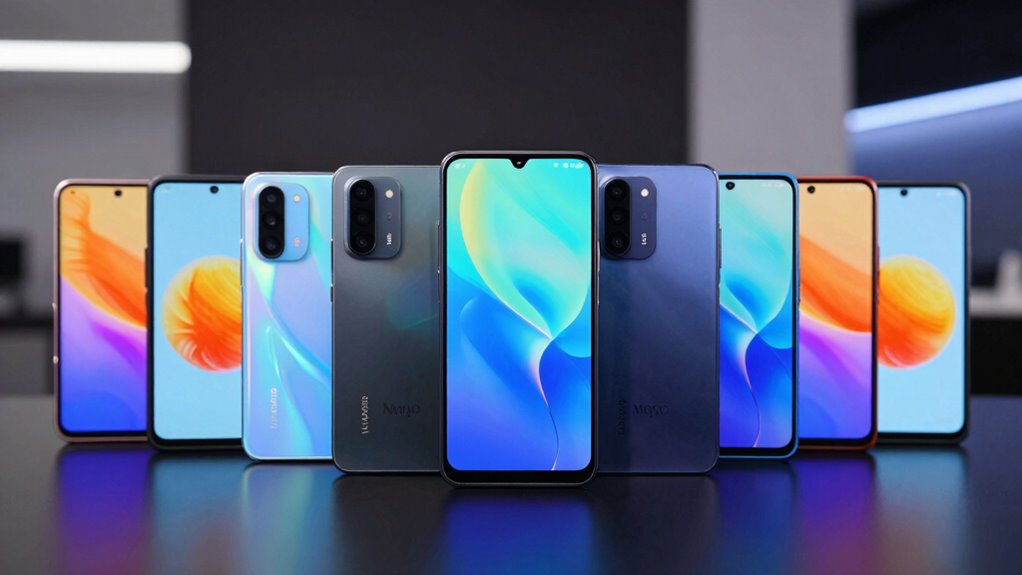

When searching for the best flagship Android phones, consumers face a range of choices that balance cutting-edge features with price and usability. The Samsung Galaxy S26 stands out as the overall best for its powerful specs and refined design, while the Google Pixel 11 offers an exceptional camera experience for Android purists. The main tradeoffs involve balancing performance, price, and ecosystem compatibility. Continue reading for a detailed look at each option and which one may be right for you.

Get movie-night favorites delivered free — and shop member deals
- Fast, free delivery on millions of items
- Access to Prime Big Deal Days deals on October 6–7
- Prime Video, Amazon Music and more included
Key Takeaways
- The Samsung Galaxy S26 delivers top-tier performance with a large storage option, making it ideal for power users.
- Google Pixel phones excel in camera quality and clean Android experience, appealing to photography enthusiasts.
- Nothing Phone models offer innovative design features like the Glyph Interface but may lack some high-end specs of rivals.
- Pricing varies significantly, with some flagship models offering premium features at a premium price, while others balance cost and performance.
- Battery life and display quality are consistent differentiators, with larger batteries and AMOLED screens favored in premium picks.


| flagship android phone | Display | Storage |
|---|---|---|
| Samsung Galaxy S22 5G | 6.1-inch FHD+ Dynamic AMOLED | 128GB |
| Google Pixel 10 | — | 128 GB |
| Samsung Galaxy S26 | Vibrant display | 256GB |
| Nothing Phone | 6.83-inch 144Hz AMOLED | — |
| Nothing Phone | 6.67-inch AMOLED, 120Hz | — |
| Google Pixel 11 | — | 256 GB |
| Google Pixel 10a | Corning Gorilla Glass 7i, 3,000-nit peak brightness | 128GB |
More Details on Our Top Picks
Samsung Galaxy S22 5G, 128GB, Phantom Black – Unlocked (Renewed)
The Samsung Galaxy S22 5G stands out for its stunning 6.1-inch Dynamic AMOLED display, offering vivid colors and sharp details that surpass many competitors like the Pixel 10. Its Snapdragon 8 Gen 1 processor delivers fast, smooth performance, making it ideal for multitasking and gaming. While its triple camera system provides versatility, it’s less advanced than the Pixel 10’s zoom capabilities, and the 3700mAh battery may fall short for heavy users. The unlocked design offers broad carrier compatibility, but the lack of expandable storage could be a downside for some. Compared with the Pixel 10, it’s a more balanced choice for those seeking performance and display quality in a compact form.
Pros:- Vivid, high-resolution AMOLED display
- Powerful Snapdragon 8 Gen 1 processor
- Versatile triple rear camera system
- Unlocked for use with most carriers
Cons:- No SD card slot for expandable storage
- Battery may drain quickly with intensive use
- Refurbished units may have minor cosmetic issues
Best for: Users who want a reliable, high-quality flagship with a vivid display and broad carrier support
Not ideal for: Heavy multimedia consumers or power users relying on all-day battery life due to its modest capacity
- Display:6.1-inch FHD+ Dynamic AMOLED
- Resolution:1080 x 2340 pixels
- Battery:3700mAh
- Storage:128GB
- RAM:8GB
- Processor:Qualcomm Snapdragon 8 Gen 1
Our verdict“A solid choice for those seeking high performance and quality display in a compact flagship.”
Google Pixel 10 – Unlocked Smartphone with Gemini – Indigo – 128 GB
The Google Pixel 10 excels with its advanced camera system, including a 5x telephoto lens and Super Res Zoom, making it ideal for photography enthusiasts who want more than just basic snapshots. Its Tensor G5 chip guarantees quick performance, especially when paired with 16GB of RAM, surpassing the Pixel 11 in processing power. The phone’s durable Gorilla Glass Victus 2 and IP68 rating offer peace of mind in tough conditions. However, its 128GB storage might be limiting for heavy media collectors, and its premium price reflects the high-end tech inside. Compared to the Galaxy S26, the Pixel 10’s camera and AI features are more developed, but it doesn’t offer the same multimedia or payment integrations.
Pros:- Advanced camera system with 5x telephoto lens
- Fast performance with Tensor G5 chip
- Durable design with IP68 water and dust resistance
- Bright 3,000-nit display for outdoor visibility
Cons:- High price point
- Limited storage options beyond 128GB
- No expandable storage
Best for: Photography lovers and users seeking AI-driven enhancements in a durable device
Not ideal for: Budget-conscious buyers or those needing extensive storage options beyond 128GB
- Operating System:Android 16
- Display Brightness:3,000 nits
- Camera:Triple rear with 5x telephoto, Super Res Zoom
- Water/Dust Resistance:IP68
- Build Material:Gorilla Glass Victus 2
- Storage:128 GB
Our verdict“Ideal for photography enthusiasts desiring a durable, AI-optimized flagship with excellent camera versatility.”
Samsung Galaxy S26, Unlocked Android Smartphone, 256GB, Cobalt Violet
The Samsung Galaxy S26 offers a large, vibrant display and AI-powered editing tools, making it a strong choice for multimedia consumers and content creators. Its 256GB storage provides ample space for apps, photos, and videos, outperforming the Pixel 10 in storage capacity. The phone’s wide front camera excels at group selfies, and its seamless integration with Galaxy Buds4 Pro enhances multimedia experiences. However, details about battery life are scarce, and the high price might deter budget buyers. Compared to the Nothing Phone 4a Pro, the S26 leans more toward multimedia and ecosystem features but doesn’t match the innovative Glyph Matrix interface or battery capacity.
Pros:- Large, vibrant display ideal for media consumption
- AI-powered editing tools
- Ample 256GB storage for media-rich users
- Supports digital payments via Samsung Wallet
Cons:- Limited battery life details
- High price for premium features
- No mention of advanced camera zoom capabilities
Best for: Users who prioritize multimedia, creative editing, and seamless device integration
Not ideal for: Users seeking a compact phone or with strict budget constraints due to its premium features and price
- Storage:256GB
- Display:Vibrant display
- Connectivity:Unlocked Android
- Color:Cobalt Violet
Our verdict“A compelling choice for multimedia enthusiasts who want a large screen and integrated AI editing tools.”
Nothing Phone (4a) Pro Cell Phone 2026, Unlocked Android Smartphone, 16GB RAM, 256GB Storage, 6.83″ AMOLED Display, 50MP Triple Camera, 5080mAh Battery, Glyph Matrix, Silver
The Nothing Phone (4a) Pro impresses with its massive 6.83-inch AMOLED display, offering smooth 144Hz refresh rates and high brightness, perfect for gaming and media. Its triple camera system with 50MP sensors and AI enhancements delivers more versatile photography than many flagships, with a large 5080mAh battery ensuring long usage. The Glyph Matrix notification system adds a unique, interactive touch that appeals to design-conscious users. Compared to the Galaxy S26, it offers a more innovative display experience but lacks detailed camera specifications and official battery life data. Its premium features come with a price and complexity that might overwhelm some users.
Pros:- Large, smooth 144Hz AMOLED display
- Powerful 50MP triple camera with AI features
- Long-lasting 5080mAh battery with fast charging
- Unique Glyph Matrix for notifications
Cons:- Limited Verizon support and complex connectivity options
- No official pricing info available
- Size may be unwieldy for some users
Best for: Design-savvy users and power users who want a large, high-performance device with a unique interface
Not ideal for: People seeking a compact, straightforward flagship or on a tight budget due to its premium features
- Display:6.83-inch 144Hz AMOLED
- Resolution:1.5K
- Battery:5080mAh
- Camera:Triple 50MP with AI
- Processor:Snapdragon 7 Gen 4
- Water Resistance:IP65
Our verdict“Best suited for users who prioritize innovative design, large displays, and high-end performance in a flagship package.”
Nothing Phone (3) Cell Phone, 5G Unlocked, 512GB, Android 15, Snapdragon 8s Gen4, 4x50MP Cameras, AMOLED Display, 5150mAh, Glyph Interface, Black
The Nothing Phone (3) combines a large 6.67-inch AMOLED display with a robust Snapdragon 8s Gen4 chipset, making it a powerhouse for demanding tasks. Its 512GB storage exceeds most competitors, supporting extensive media libraries and apps. The quad-camera system with 50MP sensors and AI enhancements offers versatile photography, surpassing many in creative options. The 5150mAh battery ensures long-lasting power, and the Glyph Interface adds a distinctive visual notification system. Compared to the Pixel 10, the Nothing Phone (3) emphasizes storage and design flair but lacks the same camera zoom sophistication and AI features. Its premium price might be a barrier for some.
Pros:- Massive 512GB storage capacity
- Powerful Snapdragon 8s Gen4 chipset
- Bright AMOLED display with high refresh rate
- Unique Glyph Interface for notifications
Cons:- Limited Verizon support and complex connectivity
- High price point
- Large size may be uncomfortable for some
Best for: Power users who need maximum storage and a distinctive design with high performance
Not ideal for: Users seeking a more compact device or who prioritize camera zoom capabilities over overall power
- Display:6.67-inch AMOLED, 120Hz
- Resolution:1.5K
- Battery:5150mAh
- Camera:Four 50MP with AI
- Processor:Snapdragon 8s Gen4
- Water Resistance:IP68
Our verdict“Ideal for users prioritizing expansive storage, a bold design, and high-end processing power in a flagship device.”
Google Pixel 11 – Unlocked Smartphone, 256 GB, Frost
The Google Pixel 11 stands out for its advanced camera system, notably the 30x Super Zoom and Night Sight, making it the top choice for users who prioritize mobile photography. Compared to the Pixel 10a, which offers solid performance but fewer zoom capabilities, the Pixel 11’s camera elevates the photo experience significantly. Its unlocked status provides flexibility with major carriers, an advantage over carrier-specific models. The durable build with IP68 water and dust resistance and a long-lasting battery that exceeds 30 hours with fast charging make it well-suited for heavy users. The main tradeoff is its high price, which might deter budget-conscious buyers, and it lacks explicit mention of 5G connectivity, potentially limiting future-proofing for some. Overall, this phone is ideal for those who want a flagship-level camera and robust build without compromise.
Pros:- Exceptional camera with 30x Super Zoom and Night Sight
- Unlocked compatibility with major carriers
- Water and dust resistance (IP68)
- Long battery life exceeding 30 hours with fast charging
Cons:- No mention of 5G connectivity, limiting future network options
- Potentially high price point for some users
Best for: Photographers and social media enthusiasts who need a powerful camera in a durable, unlocked device.
Not ideal for: Budget buyers or those seeking 5G connectivity, as the absence of 5G could limit network options and the price may be steep.
- Storage:256 GB
- Color:Frost
- Water Resistance:IP68
- Battery Life:30+ hours
- Wireless Charging:Yes
- Fast Charging:Yes
Our verdict“This phone is best suited for photography lovers willing to invest in a premium, durable device with advanced camera features.”
Google Pixel 10a – 128GB, Obsidian
The Google Pixel 10a offers a compelling mix of durability, long battery life, and a high-brightness display, making it a smart pick for users who want a flagship experience without paying top dollar. Compared to the Pixel 11, it has a slightly less advanced camera system but still features a 30+ hour battery life and helpful AI tools like Gemini, which boost productivity. Its IP68 water and dust resistance plus Gorilla Glass 7i ensure durability in challenging environments. The high-brightness display, reaching 3,000 nits, guarantees visibility outdoors. However, the only 128GB storage might be limiting for storage-heavy users, and the absence of wireless charging or a headphone jack could be drawbacks for some. Overall, this phone balances high-end features with affordability, especially for those who prioritize battery life and durability.
Pros:- Long-lasting 30+ hour battery life
- High-brightness display (up to 3,000 nits) for outdoor use
- Durable IP68 water and dust resistance with Gorilla Glass 7i
- Helpful AI features like Gemini for productivity
Cons:- Limited storage at 128GB, which may be insufficient for heavy users
- No wireless charging or headphone jack
- Higher price point due to premium features
Best for: Power users who need a reliable, durable phone with excellent battery life and helpful AI features at a more accessible price.
Not ideal for: Users with extensive storage needs or those who prefer wireless charging, as these features are limited or missing.
- Storage:128GB
- Color:Obsidian
- Battery Life:30+ hours
- Display:Corning Gorilla Glass 7i, 3,000-nit peak brightness
- Water and Dust Resistance:IP68
- Carrier Compatibility:Unlocked, works with major carriers including Google Fi, Verizon, T-Mobile, AT&T
Our verdict“This device is ideal for users who want a durable, feature-rich flagship with exceptional battery life at a more accessible price point.”

How We Picked
Our evaluation focused on core performance metrics, build quality, software experience, and value for money. We prioritized phones with the latest Snapdragon or equivalent chips, high-quality displays, and reliable battery life. Software smoothness, update longevity, and ecosystem integration also played key roles. The ranking reflects a balance between flagship features and practical usability, highlighting options for different budgets and user needs.Factors to Consider When Choosing Flagship Android Phones
Choosing a flagship Android phone involves considering several key factors that influence daily use and long-term satisfaction. While high specs matter, understanding how different features align with your needs can prevent overspending on unnecessary capabilities or missing out on important benefits. Here are some critical aspects to keep in mind:Performance and Chipset
The processor determines how smoothly your phone runs demanding apps, multitasks, and handles future updates. Flagship models typically feature Snapdragon 8-series chips or their equivalents, offering top-tier speed and efficiency. However, higher performance often comes with increased cost, so consider whether you need the fastest possible processor or if a mid-range flagship suffices for your daily tasks.
Display Quality
High-resolution AMOLED screens with high refresh rates (90Hz or above) provide sharper visuals and smoother scrolling. This matters especially for gaming, media consumption, and overall user experience. However, premium displays can drain batteries faster, so balancing size, resolution, and refresh rate is key based on your usage pattern.
Battery Life
A large capacity battery ensures longer usage between charges, especially important for intensive use or travel. Fast charging and wireless charging add convenience, but not all flagships support these features equally. Consider your typical daily routine and whether quick top-ups or all-day endurance are more critical for you.
Camera System
Flagship Android phones frequently lead in camera technology, with multiple lenses, advanced sensors, and AI enhancements. Photographers should prioritize models like the Pixel 11 for their computational photography, while others may prefer versatile setups like the Galaxy S26. Keep in mind that more cameras don’t always mean better photos—software processing quality plays a significant role.
Software and Ecosystem
Pure Android experiences, like Pixel phones, offer faster updates and bloat-free interfaces, ideal for those who value clean software. Conversely, Samsung’s One UI adds useful features and customization but may come with more pre-installed apps. Compatibility with other devices and services, such as smart home gear or accessories, can influence your choice.
Price and Value
Flagship phones range from premium-priced models to more affordable high-end options. Consider whether spending extra on bleeding-edge features aligns with your usage and budget. Sometimes, last year’s flagship or mid-tier models can deliver excellent value with only minor compromises in performance or features.
Frequently Asked Questions
Is it worth paying extra for the latest flagship Android phone?
Paying more typically grants access to the newest processors, improved cameras, and enhanced displays, which can provide a better long-term experience. However, if your needs are modest or you prioritize value, last year’s flagship or even mid-range models can meet most daily requirements without the premium price tag. Consider whether the incremental improvements justify the additional cost for your specific usage patterns.
How important is software update support for flagship Android phones?
Software updates are vital for security, performance, and new features. Flagship phones like Pixel or Samsung’s Galaxy S series often receive updates for several years, making them more future-proof. Choosing a device with extended support can prolong its relevance and protect your investment, especially if you plan to keep your phone for several years.
Should I prioritize camera quality over other features?
While camera quality is a major selling point for flagship Android phones, it’s important to balance this with performance, battery life, and software experience. If photography is your primary focus, a Pixel’s computational photography or Galaxy’s versatile camera setup makes sense. However, for general use, a well-rounded device might serve you better overall.
Is a larger display always better in a flagship phone?
Bigger displays enhance media viewing and gaming but can make phones harder to handle and drain batteries faster. Smaller flagships tend to be more manageable and still deliver high-quality visuals. Your choice should match your comfort with device size and how you primarily use your phone—whether for media consumption or portability.
How do I choose between Android ecosystem features and hardware specs?
Deciding whether to prioritize software ecosystem or hardware depends on your ecosystem commitments and personal preferences. If you use other Google services or smart home devices, a Pixel might fit best. Alternatively, Samsung’s ecosystem offers broader device integration with wearables, tablets, and more. Balance your existing tech setup with your hardware needs to make the best choice.
Conclusion
For those seeking the best overall flagship, the Samsung Galaxy S26 provides a balanced combination of power, display quality, and versatility. Value-conscious buyers should consider last year’s models or mid-tier flagships that deliver high-end features at a lower price point. If premium design and the latest innovations are your priority, the Google Pixel 11 stands out as the top choice for Android purists and photographers alike. Beginners or those upgrading from older phones will appreciate models with user-friendly software and robust support, such as the Pixel 10a. Ultimately, your decision should align with your core needs—whether performance, camera, ecosystem, or budget—so you can enjoy a flagship experience tailored to you.
As an affiliate, we earn on qualifying purchases.Fall Picks
fall essentials