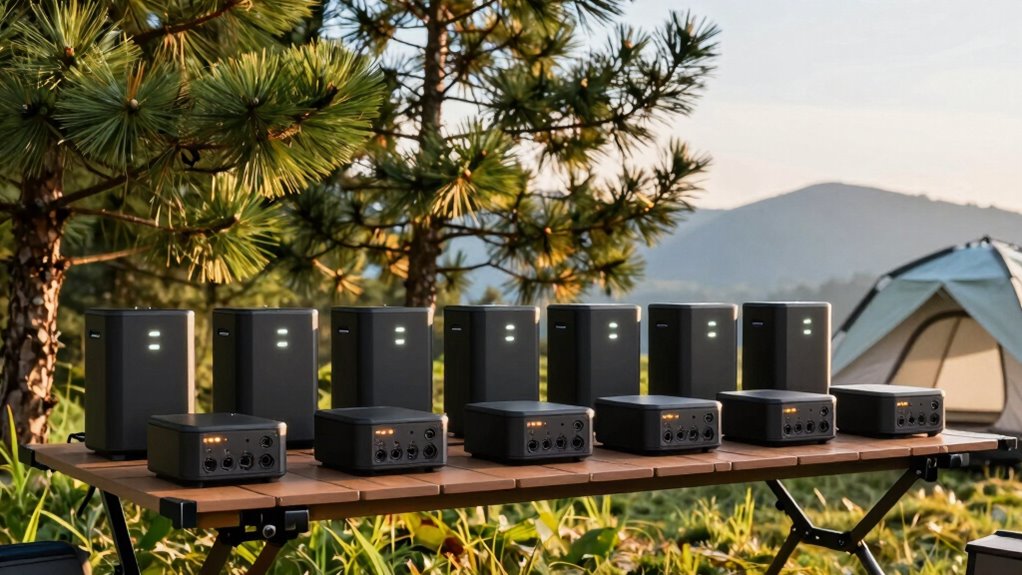

When choosing power stations for camping, the main considerations are capacity, portability, and versatility. The Anker SOLIX C1000 Gen 2 stands out as the best overall for its balanced mix of power and portability. For those seeking longer-lasting energy, the Jackery Explorer 1000 v2 offers ample capacity, while the BLUETTI AC180 appeals to users needing heavy-duty power. The tradeoffs often involve balancing size and weight against capacity and output, making it essential to match a power station to your specific camping needs. Keep reading for a detailed breakdown of what makes each option unique and how to pick the right one for your outdoor adventures.

Get movie nights delivered free with Prime
- Fast, free delivery on millions of items
- Prime Video, Amazon Music and more included
- Member-only deals all year
Complete the kit


Key Takeaways
- Higher capacity power stations generally deliver longer run times but tend to be larger and heavier.
- Solar input compatibility varies widely; consider this if you plan to recharge off-grid during extended trips.
- Pure sine wave inverters are essential for sensitive electronics like laptops and cameras.
- Premium brands tend to offer better build quality and safety features, but at a higher price point.
- Size and weight should align with your camping style—ultralight setups prioritize portability, while car camping can accommodate bulkier models.
| Anker SOLIX C1000 Gen 2 Portable Power Station |  | Best Overall for High Power and Rapid Recharging | Wattage: 2000 watts | Peak Wattage: 3000 watts | Battery Capacity: 1024Wh | VIEW ON AMAZON | See Our Full Breakdown |
| 1000W Portable Power Station 1024Wh LiFePO4 for Outdoor & Home |  | Best Value with Long-Lasting Battery and Versatile Power | Power: 1000W | Capacity: 1024Wh | Battery Type: LiFePO4 | VIEW ON AMAZON | See Our Full Breakdown |
| Jackery Solar Generator 300 and 40W Solar Panel, 292Wh, 300W AC |  | Best for Lightweight Camping and Emergency Backup | Weight: 7.5 lbs | Battery Capacity: 292Wh | AC Outlets: 2 | VIEW ON AMAZON | See Our Full Breakdown |
| Jackery Explorer 1000 v2 Portable Power Station, 1070Wh, 1500W |  | Best for Heavy-Duty Camping and Extended Use | Capacity: 1070Wh | AC Output: 1500W | Surge Peak: 3000W | VIEW ON AMAZON | See Our Full Breakdown |
| UDPOWER S1200 Portable Power Station 1200W (Surge 1800W), 400W Solar Input, UPS, UL2743, for Home RV Emergency, Pure Sine Wave |  | Best for Home, RV, and Emergency Power with Safety Certifications | Power Output: 1200W (surge 1800W) | Battery Type: LiFePO4 | Battery Cycles: 4000+ | VIEW ON AMAZON | See Our Full Breakdown |
| GRECELL Portable Power Station 500W, 519Wh Solar Generator Backup Lithium Battery Pack |  | Best Overall for Versatile Power and Emergency Use | Power Output: 500W | Battery Capacity: 519Wh | Battery Type: Lithium | VIEW ON AMAZON | See Our Full Breakdown |
| BLUETTI Elite 30 V2 Portable Power Station 288Wh 600W LFP Solar Generator |  | Best for Lightweight, High-Output Outdoor Power | Capacity: 288Wh | Weight: 9.4 lbs | Continuous Power: 600W | VIEW ON AMAZON | See Our Full Breakdown |
| Portable Solar Generator 300W with 60W Solar Panel | 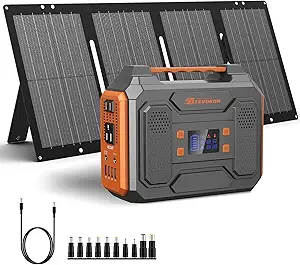 | Best for Compact Solar-Powered Camping | Power Capacity: 300W | Solar Panel: 60W monocrystalline | AC Outlets: 2 x 300W Max | VIEW ON AMAZON | See Our Full Breakdown |
| ALLWEI Portable Power Station 300W, 256Wh Solar Generator LiFePO4 Battery |  | Best for Long-Term Durability and Camping Power | Capacity: 256Wh | Continuous Power: 300W | Peak Surge: 600W | VIEW ON AMAZON | See Our Full Breakdown |
| Anker SOLIX S2000 Portable Power Station, 2010Wh, 1500W |  | Best for High Capacity and Extended Power Needs | Capacity: 2010Wh | Continuous Output: 1500W | Peak Output: 3000W | VIEW ON AMAZON | See Our Full Breakdown |
| Jackery Explorer 300 Portable Power Station, 292Wh |  | Best for Lightweight Camping and Short Trips | Capacity: 292Wh | Weight: 7.5 lbs | Outlets: 2 AC, 1 USB-C PD, 2 USB-A, 1 car port | VIEW ON AMAZON | See Our Full Breakdown |
| BLUETTI Portable Power Station AC180, 1152Wh LiFePO4 Battery Backup with 1800W (2700W peak) AC Outlets, Fast Charging, Solar Generator for Camping and Off-grid Use |  | Best for Heavy-Duty Power and Extended Off-Grid Use | Battery Capacity: 1152Wh | Battery Type: LiFePO4 | AC Outlets: 2 | VIEW ON AMAZON | See Our Full Breakdown |
| power stations for camping | Capacity | Battery Type | Weight |
|---|---|---|---|
| Anker SOLIX C1000 Gen 2 Portab | — | — | — |
| 1000W Portable Power Station 1 | 1024Wh | LiFePO4 | 27.73 lbs |
| Jackery Solar Generator 300 an | — | — | 7.5 lbs |
| Jackery Explorer 1000 v2 Porta | 1070Wh | — | 23.8 lbs |
| UDPOWER S1200 Portable Power S | — | LiFePO4 | — |
| GRECELL Portable Power Station | — | Lithium | — |
| BLUETTI Elite 30 V2 Portable P | 288Wh | — | 9.4 lbs |
| Portable Solar Generator 300W | — | — | — |
| ALLWEI Portable Power Station | 256Wh | LiFePO4 | 6.4 lbs |
| Anker SOLIX S2000 Portable Pow | 2010Wh | LiFePO4 | — |
| Jackery Explorer 300 Portable | 292Wh | — | 7.5 lbs |
| BLUETTI Portable Power Station | — | LiFePO4 | — |
More Details on Our Top Picks
Anker SOLIX C1000 Gen 2 Portable Power Station
The Anker SOLIX C1000 Gen 2 stands out for its impressive 1,024Wh capacity combined with a robust 2,000W continuous power output, making it suitable for powering multiple appliances simultaneously. Compared with the Jackery Explorer 1000 v2, it offers faster recharging times in under an hour and supports solar recharging in just 1.8 hours, which is advantageous for off-grid use. Its UPS backup with a 10 ms switchover adds safety during power interruptions. The main tradeoff is its weight—at 11.3 kg, it’s less portable than lighter models like the Jackery Explorer 300 but offers significantly more power. This pick makes the most sense for campers who need reliable, high-capacity power with quick recharge capabilities, especially during emergencies or extended trips.
Pros:- Fast recharge in 49 minutes for quick turnaround during trips
- High capacity supports multiple devices simultaneously
- Supports solar recharging and UPS backup for off-grid reliability
Cons:- Relatively heavy for extended portability, especially over long distances
- Limited detailed user feedback available, which may impact confidence
Best for: Campers who require high wattage capacity and fast recharging in a portable form for powering multiple devices or small appliances.
Not ideal for: Travelers needing ultralight gear or those with strict weight limits, since it is relatively heavy and bulkier than smaller options.
- Wattage:2000 watts
- Peak Wattage:3000 watts
- Battery Capacity:1024Wh
- Recharge Time:49 minutes (AC), 1.8 hours (solar)
- Portability:Compact, lightweight (11.3 kg / 25 lbs)
- Number of Outlets:9
- Maximum Solar Input:600W
- Item Dimensions:15.1″L x 8.2″W x 9.6″H
Our verdict“This power station is best suited for those who prioritize high power, rapid recharge, and reliable backup in a portable package.”
1000W Portable Power Station 1024Wh LiFePO4 for Outdoor & Home
This 1024Wh LiFePO4 model offers a solid balance of capacity and longevity, with 1000W continuous output suitable for lights, small appliances, and routers. Compared to the Jackery Explorer 300, it provides over three times the capacity and supports longer use during outages or off-grid trips. Its long cycle life of 3000+ cycles ensures durability over many years. While it’s heavier at nearly 28 lbs, the ability to support high power levels and solar input up to 300W makes it a reliable choice for extended outdoor stays. However, it’s less portable than lighter, smaller units like the Jackery Explorer 300 and may not be ideal for backpackers. This power station fits best for outdoor enthusiasts or homeowners who want a durable, high-capacity backup without frequent replacements.
Pros:- High capacity with 1024Wh and 1000W output for versatile device use
- Supports fast charging for multiple devices simultaneously
- Long cycle life with over 3000 recharges ensures durability
Cons:- Relatively heavy at nearly 28 lbs, impacting portability
- Limited to 300W solar input, which may slow charging in cloudy conditions
Best for: Hikers, RVers, or homeowners looking for a durable, long-lasting power source with high capacity for off-grid or backup needs.
Not ideal for: Ultra-light travelers or those seeking a compact, ultra-portable device due to its weight and size.
- Power:1000W
- Capacity:1024Wh
- Battery Type:LiFePO4
- Weight:27.73 lbs
- Solar Input:Up to 300W
- Cycle Life:3000+ cycles
Our verdict“This model is best suited for users needing a durable, high-capacity power source that balances longevity and off-grid capability.”
Jackery Solar Generator 300 and 40W Solar Panel, 292Wh, 300W AC
The Jackery Explorer 300 excels in portability, weighing only 7.5 lbs, making it ideal for outdoor activities like hiking or short camping trips. Its 292Wh capacity is enough to power essential devices such as phones, small lights, or mini fridges, but not large appliances. Compared with the larger Anker SOLIX C1000, it sacrifices power for ultra-lightweight design and ease of transport. Its USB-C PD port and multiple outlets increase versatility, and paired with the 40W solar panel, it offers decent solar recharging in daylight. The main limitation is its limited output—300W means it can’t handle high-power appliances. This makes it perfect for minimalists or casual campers who prioritize weight savings and simplicity.
Pros:- Extremely lightweight and portable at only 7.5 lbs
- Multiple charging options including USB-C PD
- Long-lasting battery with over 4,000 cycles
Cons:- Limited to 300W output, unsuitable for high-wattage devices
- Requires separate purchase of solar panels, adding to setup complexity
Best for: Hikers, backpackers, or casual campers needing lightweight, portable power for small devices and emergency use.
Not ideal for: Users needing to power larger appliances or multiple devices simultaneously for extended periods, due to its limited capacity and output.
- Weight:7.5 lbs
- Battery Capacity:292Wh
- AC Outlets:2
- USB-C PD Port:100W
- Charge Cycles:over 4,000
- Charge Time (with 40W panel):7.5 hours
Our verdict“This power station is ideal for lightweight, short-term outdoor use where portability outweighs high power demands.”
Jackery Explorer 1000 v2 Portable Power Station, 1070Wh, 1500W
The Jackery Explorer 1000 v2 offers a substantial 1070Wh capacity with 1500W continuous power, making it suitable for running small appliances, cooking devices, or multiple gadgets during longer trips. Its quick 1-hour recharge capability rivals the Anker SOLIX C1000, providing fast turnaround. The durable LFP battery ensures over 10 years of reliable use, which surpasses many competitors. Compared to the Jackery Explorer 300, it provides far more power, but at a higher weight of nearly 24 lbs. It’s a good choice for those who need a reliable, high-capacity power station that can handle more demanding camping setups or emergency scenarios, though it requires dedicated solar panels for solar recharging.
Pros:- Large 1070Wh capacity supports multiple devices
- Fast charging from 0 to 100% in just one hour
- Long-lasting battery with over 10 years lifespan
Cons:- Relatively heavy for portable use at nearly 24 lbs
- Requires dedicated solar panels for solar charging, adding cost
Best for: Campers or homeowners seeking high capacity and reliable long-term durability for powering multiple devices or small appliances.
Not ideal for: Backpackers or those with strict weight restrictions, as it is heavier and bulkier than smaller options.
- Capacity:1070Wh
- AC Output:1500W
- Surge Peak:3000W
- Weight:23.8 lbs
- Charge Time:1 hour (fast charging)
- Charge Cycles:4000
Our verdict“This model is best suited for users needing dependable, high-capacity power for extended outdoor or backup use without the need for ultralight equipment.”
UDPOWER S1200 Portable Power Station 1200W (Surge 1800W), 400W Solar Input, UPS, UL2743, for Home RV Emergency, Pure Sine Wave
The UDPOWER S1200 combines a 1200W continuous output with a robust 400W solar input, making it well-suited for home backup, RV trips, and emergency scenarios. Its quiet operation and UL2743 safety certifications offer peace of mind during indoor or outdoor use. With a large LiFePO4 battery supporting over 4,000 cycles, it promises long-term reliability. Its five AC outlets, USB-C, and USB-A ports provide versatile power options, and rapid charging—reaching 80% in 1.5 hours—reduces downtime. Compared with the Anker SOLIX C1000, it emphasizes safety, quiet operation, and multiple outlets, but its 400W solar input may limit solar recharging speed if paired with larger panels. It’s ideal for users prioritizing safety, quiet operation, and a stable power supply during outages.
Pros:- Large 1200W continuous power supports multiple devices
- Supports over 4,000 cycles for long-term durability
- Quiet (<25dB) and safety-certified for indoor use
Cons:- Limited to 400W solar input, which may slow recharging in cloudy conditions
- Relatively heavy, impacting portability for frequent transport
Best for: Homeowners, RV owners, or emergency preparedness enthusiasts seeking a safe, quiet, and versatile backup power source.
Not ideal for: Campers who need lightweight, portable units or those planning to use larger solar arrays for rapid recharging.
- Power Output:1200W (surge 1800W)
- Battery Type:LiFePO4
- Battery Cycles:4000+
- AC Outlets:5
- USB-C PD Ports:2
- Solar Input:400W
- Fast Charge Time:1.5 hours (80%)
Our verdict“This power station suits users looking for a safe, quiet, and versatile backup solution for home or RV use, with long-term reliability in mind.”
GRECELL Portable Power Station 500W, 519Wh Solar Generator Backup Lithium Battery Pack
The GRECELL Portable Power Station 500W stands out for its high capacity of 519Wh combined with a 500W continuous output, making it capable of powering multiple devices simultaneously. Compared with the BLUETTI Elite 30 V2, which offers less capacity but more portability, GRECELL’s larger battery makes it better suited for longer trips or backup scenarios. Its variety of output ports, including AC, USB-C, USB-A, DC, and a wireless charger, provides maximum flexibility for camping and emergencies. The tradeoff is that it cannot handle devices over 500W, and solar recharging, while versatile, takes 6-9 hours. Its built-in safety features add peace of mind during use. This model is ideal for campers and emergency prep that require reliable power for multiple devices over extended periods.
Pros:- High capacity with 519Wh and 500W output
- Multiple recharging options including solar, car, and wall
- Versatile output ports for diverse devices
- Built-in safety features with Battery Management System
Cons:- Cannot power devices over 500W
- Solar panel not included, adding to overall cost
- Recharge time varies significantly depending on source
Best for: Campers needing high-capacity backup power and multiple device charging options
Not ideal for: Lightweight backpackers or those seeking ultra-portable solutions due to its size and weight
- Power Output:500W
- Battery Capacity:519Wh
- Battery Type:Lithium
- AC Outlets:2 pure sine wave
- USB-C PD:60W
- Wireless Charger:10W
Our verdict“This power station makes the most sense for campers and emergency users who prioritize capacity and device versatility over portability.”
BLUETTI Elite 30 V2 Portable Power Station 288Wh 600W LFP Solar Generator
The BLUETTI Elite 30 V2 offers a compelling balance of weight and power, weighing just 9.4 lbs yet providing 288Wh capacity with a 600W continuous output—ideal for those who need a portable backup for essentials. Its ability to expand to 1500W makes it versatile for small appliances and sensitive electronics like laptops or CPAP machines, especially when integrated with its fast charging modes. When compared to the Anker SOLIX S2000, which has a much larger capacity but is significantly heavier, the Elite 30 V2 is a better fit for short outdoor trips or quick emergency setups. However, its limited battery capacity may require frequent recharges for prolonged use, and solar charging depends on compatible panels. This pick is suited for outdoor enthusiasts who need reliable power on the go without excess weight.
Pros:- Lightweight at 9.4 lbs for easy portability
- 600W continuous power with 1500W surge capacity
- Fast charging and multiple input modes
- Reliable UPS feature for critical devices
Cons:- Limited capacity for extended use
- Requires specific solar panels for optimal solar charging
- Higher cost relative to capacity
Best for: Hikers and campers needing portable power for essential devices with quick recharge capability
Not ideal for: Users with high power demands or those seeking long-term backup without frequent recharging
- Capacity:288Wh
- Weight:9.4 lbs
- Continuous Power:600W
- Surge Power:1500W
- Charging Modes:AC wall, solar, car
- Fast Wall Charge:380W
Our verdict“This power station is best suited for outdoor adventurers who prioritize portability and quick power delivery over large capacity.”
Portable Solar Generator 300W with 60W Solar Panel
This 300W portable solar generator paired with a 60W foldable solar panel excels in portability and solar efficiency, making it perfect for short outdoor trips or emergency power. Its conversion efficiency of 20.5% ensures effective solar charging, and multiple outlets—including AC, USB, and carport—cover most device needs. Compared with larger units like the Anker SOLIX S2000, this setup sacrifices capacity but offers unparalleled ease of transport and quick setup. Its main limitation is that it can’t power high-demand devices over 300W, and performance may decline if not regularly maintained or if solar conditions are poor. The junction box isn’t waterproof, so careful storage is necessary. This generator suits minimalists and those looking for quick, solar-powered device recharging in outdoor settings.
Pros:- High conversion efficiency of 20.5%
- Multiple charging options including AC, USB, and solar
- Compact, foldable design for portability
- Built-in safety protections
Cons:- Limited to 300W power output, not suitable for high-wattage devices
- Performance depends heavily on solar conditions
- Junction box not waterproof
Best for: Campers who need a lightweight, solar-powered backup for small devices and quick recharges
Not ideal for: Heavy-duty appliances or extended power needs requiring over 300W of sustained power
- Power Capacity:300W
- Solar Panel:60W monocrystalline
- AC Outlets:2 x 300W Max
- USB Ports:3 x 5V/3A, 1 x quick charge
- Conversion Efficiency:20.5%
Our verdict“This generator is an excellent choice for short trips and emergency use where minimal power and portability matter most.”
ALLWEI Portable Power Station 300W, 256Wh Solar Generator LiFePO4 Battery
The ALLWEI 256Wh power station stands out for its durable LiFePO4 battery, offering around 3000 charge cycles—far exceeding typical lithium-ion units. Weighing just 6.4 lbs, it is easy to carry for outdoor activities, and its multiple output ports, including USB-C, USB-A, DC, and AC, make it versatile for camping and emergency needs. Its limited capacity compared to larger units like the Anker SOLIX S2000 means it’s better suited for short-term or essential power, but its long battery lifespan compensates for that. Charging times are reasonable, but slower with smaller panels, and it lacks app connectivity. This model is ideal for those who prioritize battery longevity and long-term reliability over raw capacity.
Pros:- Long-lasting LiFePO4 battery with 3000 cycles
- Multiple output ports including USB-C PD 60W
- Lightweight and portable at 6.4 lbs
- Supports multiple recharging methods
Cons:- Limited capacity for high-power devices
- Longer charging times with smaller panels
- No app or remote connectivity
Best for: Campers and outdoor enthusiasts seeking durable, long-lasting power for essential devices
Not ideal for: Users needing to power high-wattage appliances or seeking extensive backup capacity
- Capacity:256Wh
- Continuous Power:300W
- Peak Surge:600W
- Battery Type:LiFePO4
- Charge Cycles:3000
- Weight:6.4 lbs
Our verdict“This power station is perfect for campers who value durability and long-term use over sheer capacity.”
Anker SOLIX S2000 Portable Power Station, 2010Wh, 1500W
The Anker SOLIX S2000 offers an impressive 2010Wh capacity with a 1500W continuous output, making it suitable for powering larger appliances and sustaining critical devices over longer periods. Its long lifespan of 10,000 charge cycles and multiple recharging options, including solar, make it a reliable choice for backup or extended outdoor use. Compared with smaller units like the BLUETTI Elite 30 V2, it provides significantly more power but at a heavier weight of over 35 pounds, which limits portability. It does lack a 12V DC port, which might be inconvenient for some devices. This model is best for those who need substantial power and can handle the size. It is less suited for lightweight or quick-use scenarios but excels in long-term, high-demand applications.
Pros:- Huge 2010Wh capacity for extended use
- LiFePO4 battery with 10,000 cycles
- Multiple recharging options including solar
- High continuous output of 1500W
Cons:- Heavy at over 35 pounds, less portable
- Lacks a 12V DC port for some devices
- Bulkier size may be cumbersome for small setups
Best for: Campers or homeowners requiring large capacity and long-term backup power
Not ideal for: Backpackers or those seeking ultra-light portable solutions due to its weight
- Capacity:2010Wh
- Continuous Output:1500W
- Peak Output:3000W
- Battery Type:LiFePO4
- Battery Lifespan:10,000 cycles
- Dimensions:8.2 x 11.1 x 12.7 inches
Our verdict“This power station is tailored for users who prioritize enormous capacity and long-term reliability over portability.”
Jackery Explorer 300 Portable Power Station, 292Wh
The Jackery Explorer 300 stands out for its portability, weighing only 7.5 lbs, making it ideal for hikers and campers who prioritize ease of carrying. Its 292Wh capacity is sufficient for powering small devices like phones, lights, and small appliances, especially when paired with a compatible solar panel for quick recharging. Compared with the BLUETTI AC180, which offers more power but is significantly heavier, the Explorer 300 is better suited to those who move frequently or pack light. The main tradeoff is its limited output—400W continuous power might not handle larger devices, and the absence of a included solar panel means additional cost. This pick is perfect for casual campers needing reliable, portable backup for essential electronics during short trips.
Pros:- Extremely lightweight and portable for easy carrying
- Long-lasting LiFePO4 battery with over 4,000 charge cycles
- Multiple charging options including AC, USB-C, and car port
- Fast solar charging compatibility
Cons:- No included solar panel, requiring extra purchase
- Limited to 300W rated output, restricting larger appliances
- Battery capacity may fall short for extended power needs
Best for: Campers and outdoor enthusiasts who need a lightweight, portable power source for small devices and short excursions.
Not ideal for: Long-term off-grid living or powering high-wattage devices, as its capacity and output are limited for extended use.
- Capacity:292Wh
- Weight:7.5 lbs
- Outlets:2 AC, 1 USB-C PD, 2 USB-A, 1 car port
- Peak Surge:600W
- Charge Cycles:Over 4,000
- Dimensions:15.43 x 9.92 x 11.89 inches
Our verdict“This is an excellent choice for lightweight campers seeking reliable, portable power for essential devices on short trips.”
BLUETTI Portable Power Station AC180, 1152Wh LiFePO4 Battery Backup with 1800W (2700W peak) AC Outlets, Fast Charging, Solar Generator for Camping and Off-grid Use
The BLUETTI AC180 offers a significant upgrade in capacity and power compared to the Jackery Explorer 300, with a 1152Wh battery and 1800W continuous output, making it suitable for running larger appliances or multiple devices simultaneously. Its rapid 1-hour recharge via AC and 2.8-3.3 hours with solar ensures minimal downtime, a feature the Explorer 300 cannot match. While the AC180 is heavier and bulkier, it compensates with versatility for off-grid living, emergency backup, or camping setups that demand more power. The boost capability to 2700W enables starting appliances like mini-fridges or small power tools, but the higher weight and need for specific cables could be inconvenient for backpackers. This model is best for users who need serious power capacity and quick recharge in a portable unit.
Pros:- Fast 1-hour full recharge capability
- High continuous power with boost to 2700W
- Versatile charging options including solar, AC, and car
- Reliable emergency response with UPS feature
Cons:- Relatively heavy and less portable for backpacking
- Limited number of AC outlets for multiple devices
- Requires specific cables and setup, adding complexity
Best for: Campers, RV owners, or off-grid users requiring high capacity and powerful output for extended use and emergency backup.
Not ideal for: Lightweight hikers or those with minimal space, as its weight and size are less portable and more suited to vehicle-based camping or permanent setups.
- Battery Capacity:1152Wh
- Battery Type:LiFePO4
- AC Outlets:2
- Continuous Power:1800W
- Peak Power:2700W
- Charge Time (AC):1 hour
Our verdict“This power station makes the most sense for those who need substantial, reliable power for extended camping or emergency scenarios and can handle its size and weight.”

How We Picked
These power stations were evaluated based on a combination of capacity, portability, build quality, recharge options, and output versatility. Priority was given to models that balance weight and size with sufficient power output for camping needs. We also considered the inclusion of solar compatibility, safety features, and user-friendliness. The rankings reflect a mix of performance, value, and suitability for different camping scenarios, ensuring there’s a recommended option for every type of camper.Factors to Consider When Choosing Power Stations For Camping
Choosing the right power station for camping involves understanding several key factors. Beyond just capacity, you need to consider how portable the unit is, whether it can be recharged via solar panels, and if it provides the right types of outlets for your devices. This guide highlights the main considerations and common pitfalls to avoid when selecting a portable power solution for outdoor use.Capacity and Runtime
Capacity, measured in watt-hours (Wh), determines how long your devices can run. A higher capacity means longer runtime but also increases size and weight, which can be a challenge for backpackers. For most campers, a balance around 500-1000Wh offers enough power for essential devices without becoming cumbersome. Consider your device list and how long you’ll need power to choose an appropriate capacity that avoids running out of juice mid-trip.
Portability and Weight
Portability is critical for backpackers and those who move frequently. Lighter models often sacrifice capacity or features, so assess your camping style carefully. Carrying a bulky unit might be fine for car camping but a burden on a day hike or mountain trek. Think about how you’ll transport the power station and whether its size and weight match your physical capacity and travel plans.
Recharge Options
Solar compatibility can extend your off-grid power supply, but not all units support solar recharging or do so efficiently. If you plan to rely on sunlight, look for models with compatible solar input ports and high wattage limits. Conversely, if quick recharges from wall outlets or car chargers are your priority, ensure the station supports those options. Avoid units with limited or slow recharging capabilities if you need quick turnaround times between uses.
Output Types and Power
Different devices require different power outputs. For sensitive electronics, pure sine wave inverters are essential to prevent damage. Check the types and number of outlets—USB ports, AC outlets, and DC terminals—to match your device needs. A power station with too few or incompatible outlets can limit your usability or force you to carry extra adapters, adding weight and complexity to your setup.
Build Quality and Safety Features
Durability matters in outdoor environments where dust, moisture, and physical knocks are common. Look for units with rugged casings and safety features like overload protection, short-circuit prevention, and thermal management. Cheaper models might save money initially but could pose risks or fail prematurely, especially under tough conditions. Investing in a well-built unit can save frustration and replacement costs over time.
Frequently Asked Questions
How long can a power station typically run my camping devices?
The runtime depends on the capacity of the power station and the power draw of your devices. For example, a 1000Wh unit could run a 50W device for about 20 hours, but this varies with actual usage. When planning, consider the total wattage of your devices and their usage patterns, then choose a capacity that provides a comfortable margin for longer trips or multiple devices.
Can I recharge my power station with solar panels while camping?
Yes, many modern power stations support solar recharging, which extends your off-grid capabilities. Ensure the station has compatible solar input ports and check the maximum solar wattage it can handle. Keep in mind that solar recharging speed depends on sunlight intensity and panel wattage; larger panels and better sunlight lead to faster recharges. Planning for solar input can significantly increase your camping autonomy.
Is a higher capacity always better for camping?
Not necessarily. While higher capacity offers longer run times, it also tends to mean increased size and weight, which can be burdensome for backpackers. The best approach is to match capacity to your actual power needs and camping style. For short trips or minimal device use, a smaller, lighter unit may be more practical, whereas extended stays or power-hungry devices justify larger models.
Should I prioritize pure sine wave output for camping?
Yes, especially if you plan to power sensitive electronics like laptops, cameras, or medical devices. Pure sine wave inverters provide cleaner power, reducing the risk of damage and ensuring stable operation. Inverter quality varies among models, so check specifications carefully. Cheaper units with modified sine wave inverters may work for simple devices but could cause issues with delicate electronics.
How important are safety features in a portable power station?
Safety features are vital for outdoor use, where environmental factors and handling can be unpredictable. Look for units with overload protection, thermal shutdown, short-circuit prevention, and quality build standards. These features help prevent damage to the power station and your devices, as well as reduce the chance of accidents. Investing in a safe, well-protected unit adds peace of mind during your camping trips.
Conclusion
For most campers, the Anker SOLIX C1000 Gen 2 offers a balanced combination of capacity, portability, and features, making it the best overall choice. Those on a budget or with minimal power needs should consider the Jackery Explorer 300 for its compact size and affordability. If you’re seeking maximum power for extended trips or heavy-duty use, the BLUETTI AC180 or Anker SOLIX S2000 provide robust options. Beginners or casual campers will find smaller models easier to handle, while experienced outdoor enthusiasts should look for units with solar compatibility and higher capacities. Matching your specific needs with these options ensures your camping experience stays powered and hassle-free.
Columbus Day / Indigenous Peoples' Day Picks
long weekend sales
As an affiliate, we earn on qualifying purchases.