

The chosen family trope became a TV staple as shows began highlighting relationships based on loyalty, emotional bonds, and shared experiences instead of traditional blood ties. You see characters forming deep connections through struggles, celebrations, and everyday moments, emphasizing trust and vulnerability. This shift reflects societal changes, validating people who build supportive communities outside of biological families. If you keep exploring, you’ll discover how these stories challenge conventions and mirror real-life complexities of family.
Key Takeaways
- The rise of diverse societal perspectives led TV shows to depict families built on emotional bonds over blood ties.
- Increasing focus on loyalty and shared sacrifices deepened viewer investment in non-traditional family relationships.
- TV narratives emphasize emotional vulnerability and development, shaping authentic and relatable bonds.
- Depictions of fractured or complex biological families validated alternative family structures and community support.
- The trope reflects societal shifts, promoting values of love, loyalty, and chosen bonds as central to family life.

Have you ever wondered why TV shows increasingly feature characters forming their own families rather than relying solely on traditional ones? It’s because the chosen family trope taps into universal desires for connection, loyalty, and support. In today’s stories, viewers relate more to characters building bonds based on shared experiences, rather than blood ties. This shift reflects changing societal values, where family isn’t just defined by genetics but by the emotional bonds and loyalty dynamics that truly hold people together. When characters choose each other, they demonstrate that family can be a matter of choice—someone’s loyalty and commitment matter more than biology.
Chosen families in TV shows highlight loyalty and shared bonds, proving family is defined by love, not just blood.
In these shows, loyalty dynamics become central to the narrative. Characters often face situations that test their commitment to each other, highlighting how trust and dependability forge stronger bonds than traditional family structures. For example, friends or roommates might risk everything to protect one another, illustrating that loyalty isn’t guaranteed by birth but earned through actions and shared sacrifices. This focus on loyalty makes the relationships feel authentic and relatable, especially for viewers who may have experienced fractured or complicated family ties. It demonstrates that true family is built on mutual support, understanding, and unwavering commitment. Additionally, the use of high-quality storytelling helps deepen emotional connections, making these relationships more impactful and memorable.
At the heart of the chosen family trope are emotional bonds that run deep. These relationships often develop through shared struggles, celebrations, and everyday moments that foster intimacy. The emotional bonds in these narratives aren’t superficial; they evolve over time, shaped by vulnerability and trust. Watching characters open up and rely on each other, despite differences, makes their chosen family feel genuine and compelling. It encourages viewers to reflect on their own connections, recognizing that the strength of a family isn’t measured by traditional standards but by the depth of care and loyalty they show. The portrayal of these bonds often highlights emotional vulnerability, emphasizing that genuine relationships require openness and honesty. Moreover, these stories often depict how communities and social support networks contribute to a sense of belonging, reinforcing that family extends beyond biological ties.
This storytelling approach resonates because it mirrors real life’s complexities. Not everyone’s biological family is supportive or present, and many find solace and strength in communities they choose for themselves. TV shows that feature these dynamics validate those experiences, offering hope and validation. They demonstrate that family is what you make of it—crafted through loyalty, emotional bonds, and shared commitment. As a viewer, you see characters forge these relationships intentionally, reminding you that family can be as much about the heart as it is about blood. This portrayal not only entertains but also affirms the diverse forms family can take in our lives.

DOG IS KING Emotional Support Blanket Yellow, Security Blanket, Calming Dog Blanket, Rabbit Hair Plush, Designed for Pets, Soft and Comfortable for Indoors Sofa, Kennel (Yellow, 39.37 * 59.06")
【PREMIUM SOFT & WARM MATERIAL】 Dog Is King emotional support blanket yellow is ultra plush, gentle on paws…
As an affiliate, we earn on qualifying purchases.
As an affiliate, we earn on qualifying purchases.
Frequently Asked Questions
How Does the Chosen Family Trope Differ From Traditional Family Portrayals?
You see, the chosen family trope differs from traditional family portrayals because it emphasizes bonds based on love and support rather than biological ties or societal expectations. Instead of blood relations, you form connections with people who genuinely care for you, often in ways that challenge or reject conventional norms. This portrayal highlights that family is about trust and companionship, not just lineage or societal roles.
When Did the Chosen Family Trope First Appear on Television?
You might be surprised to learn that the chosen family trope first appeared on television in the 1980s, offering an alternative representation of emotional bonds beyond traditional kinship. Shows like “The Golden Girls” showcased friends forming deep, supportive relationships, replacing blood ties with chosen bonds. This shift allowed viewers to see families built on love and support, making television more inclusive and emotionally resonant.
What Cultural Influences Have Shaped the Chosen Family Narrative?
You see, LGBTQ+ representation has greatly influenced the chosen family narrative, highlighting diverse bonds beyond traditional structures. This portrayal emphasizes community resilience, showing how people create supportive families in response to societal rejection. Cultural shifts towards acceptance and inclusivity have fueled this storytelling trend, making it a powerful way to explore identity, belonging, and strength. Through TV, these stories resonate, fostering understanding and celebrating the resilience of chosen families.
Are There Notable Examples of the Trope in Non-Western TV Shows?
You’ll find the trope in non-Western TV shows like South Korea’s “Hospital Playlist” or India’s “Four More Shots Please,” where cultural diversity shapes rich, complex chosen families. Unlike Western narratives, these stories emphasize communal bonds and collective identity, reflecting evolving cultural values. This narrative evolution highlights how different societies redefine family, blending tradition and modernity, making the trope resonate across various cultural landscapes and emotional depths.
How Has Social Media Impacted the Popularity of the Chosen Family Trope?
Social media amplification has skyrocketed the popularity of the chosen family trope by allowing fans to share their favorite moments and interpretative content easily. Your engagement in fan communities fosters a deeper connection to characters and storylines, reinforcing the trope’s importance. As a result, creators notice this enthusiasm, often incorporating more diverse, relatable chosen families into shows, making the trope even more prominent and resonant in contemporary TV storytelling.

Relationship Mastery: How Elite Professionals Build Trust, Loyalty, and Lifetime Value in the Relationship Ecosystem: The Human Advantage in an AI World
As an affiliate, we earn on qualifying purchases.
As an affiliate, we earn on qualifying purchases.
Conclusion
As you watch these stories unfold, you realize that chosen families aren’t just fictional constructs—they’re lifelines, woven with love, loyalty, and resilience. They’re the anchors in a storm, the stars guiding us home when blood ties feel too fragile. This trope’s rise reminds us that family isn’t just born; it’s built, nurtured, and celebrated. In the end, it’s these bonds that turn strangers into forever, lighting our darkest nights with the glow of belonging.
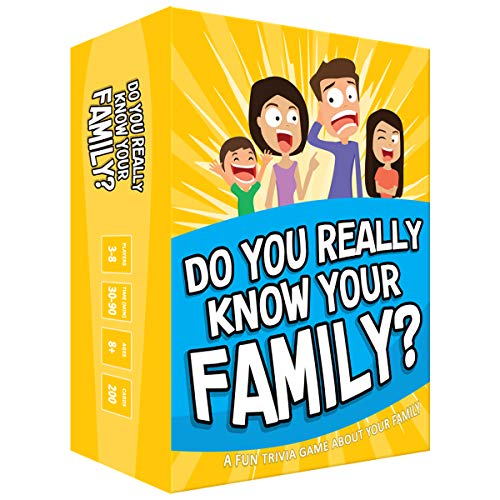
Do You Really Know Your Family? A Fun Family Game Filled with Conversation Starters and Challenges – Great for Kids, Teens and Adults
Get ready for the best family game night as you laugh and learn new things about each other…
As an affiliate, we earn on qualifying purchases.
As an affiliate, we earn on qualifying purchases.

EYxsaxenk Community Helpers Posters for Classroom – 24Pcs Community Helper Career Awareness Posters 11.8×9.4in Paper Wall Art Prints for School Office Classroom Room Wall Decoration Teacher Supplies
Inspire Career Awareness in Students: Encourage students to explore future possibilities with these career awareness posters. Designed to…
As an affiliate, we earn on qualifying purchases.
As an affiliate, we earn on qualifying purchases.