
Investing in AI hardware alternatives like quantum computing and neuromorphic chips offers promising growth opportunities as these technologies aim to revolutionize how machines process data. Quantum computing can dramatically increase calculation speeds, while neuromorphic chips mimic brain functions for efficient, adaptive AI. With startups and industry players gaining momentum, these sectors present high-risk but high-reward investments. Continuing to explore these innovations can help you identify key opportunities shaping the future of AI hardware.
Key Takeaways
- Invest in startups developing quantum computing platforms to capitalize on high-impact, early-stage AI processing advancements.
- Explore opportunities in neuromorphic chip companies focusing on low-power, adaptive hardware for edge and real-time AI applications.
- Diversify investments across emerging hardware technologies to mitigate risks and leverage rapid innovation cycles.
- Support infrastructure providers enabling the deployment and scaling of quantum and neuromorphic solutions for broader adoption.
- Stay informed on funding rounds and technological breakthroughs to identify high-growth potential in nascent AI hardware sectors.

As artificial intelligence continues to drive innovation, investors are increasingly exploring alternative hardware solutions beyond traditional GPUs and CPUs. While these processors have powered AI advancements for years, emerging technologies like quantum computing and neuromorphic chips promise to revolutionize how machines process information. Quantum computing, in particular, has the potential to dramatically speed up complex calculations that are currently time-consuming or infeasible with classical hardware. By leveraging principles of quantum mechanics, these systems can perform multiple calculations simultaneously, opening doors for breakthroughs in optimization, cryptography, and simulation tasks critical to AI research. Investing in quantum hardware startups or infrastructure providers can position you at the forefront of this nascent but high-impact field. Although still in early stages, quantum computing companies are attracting significant funding and attention from major tech giants, signaling strong growth potential.
On the other hand, neuromorphic chips mimic the structure and functioning of the human brain, offering a different approach to AI hardware. These chips are designed to process information more efficiently, with low power consumption and high adaptability, making them ideal for edge computing and real-time applications. Neuromorphic technology enables devices to learn and adapt on the fly without extensive training, which is a game-changer for applications like autonomous vehicles, robotics, and IoT devices. As AI models grow larger and more complex, neuromorphic chips could provide a scalable, energy-efficient alternative to traditional architectures. Investing in companies developing neuromorphic hardware gives you exposure to a promising niche that could complement or even replace conventional chips in specific use cases. Importantly, these chips are still in development, but several startups and established firms are making significant progress, often backed by government grants and industry partnerships. Additionally, advancements in specialized hardware are helping to meet the increasing demands of AI workloads, further accelerating innovation in this field.
Both quantum computing and neuromorphic chips represent a shift toward specialized hardware tailored to the unique demands of AI workloads. You should consider how these technologies fit into your broader investment strategy—whether you’re looking for early-stage bets with high risk and reward or more established players with proven prototypes. The landscape is evolving quickly, with breakthroughs happening regularly, so staying informed about technological advances and funding rounds is vital. While the risks are higher compared to traditional hardware investments, the potential for exponential growth makes these options highly attractive. As you evaluate opportunities, remember that diversifying across multiple emerging hardware solutions can help mitigate risks while positioning you to benefit from the next wave of AI hardware innovation.
quantum computing development kits
As an affiliate, we earn on qualifying purchases.
As an affiliate, we earn on qualifying purchases.
Frequently Asked Questions
What Are the Risks Associated With Investing in AI Hardware Alternatives?
You risk market volatility, which can cause sudden value drops in AI hardware alternatives, making your investment unpredictable. Supply chain disruptions might delay production or hike costs, reducing profitability. Additionally, rapid technological changes could render your hardware obsolete quickly. It is crucial to stay informed about industry shifts and diversify your investments to mitigate these risks. Being cautious helps you navigate these uncertainties and protect your financial interests effectively.
How Do Regulatory Changes Impact AI Hardware Investment Strategies?
Regulatory changes hit your AI hardware investments like a tidal wave, forcing quick shifts in strategy. You need to stay ahead by closely monitoring policy updates and ensuring regulatory compliance. As governments adapt policies, you must be agile in your approach, adjusting your investments accordingly. Proactively engaging with regulators and understanding evolving frameworks helps you navigate uncertainties and capitalize on opportunities, turning regulatory shifts into strategic advantages rather than obstacles.
Which Geographic Regions Show the Highest Growth Potential for AI Hardware?
You should focus on emerging markets like Southeast Asia and Africa, which show high growth potential for AI hardware. These regions benefit from expanding digital infrastructure and government incentives. Additionally, their evolving supply chains offer opportunities for cost-effective manufacturing and sourcing. By investing here, you can capitalize on early-stage growth and help shape the future of AI hardware development in these dynamic markets.
What Are the Key Technological Trends Influencing AI Hardware Development?
You’re influenced by quantum computing, neuromorphic architecture, and specialized AI chips shaping AI hardware. Quantum computing accelerates processing power, neuromorphic architecture mimics brain functions for efficiency, and custom AI chips optimize tasks. These technological trends drive innovation, improve performance, and reduce energy consumption. Staying aware of these trends helps you identify promising opportunities and understand how AI hardware continues to evolve rapidly, offering new possibilities for development and investment.
How Can Investors Assess the Competitive Landscape of AI Hardware Startups?
You can assess the competitive landscape of AI hardware startups by analyzing their market share and conducting a thorough competitive analysis. Look for startups gaining significant traction or niche dominance. Review their product innovation, partnerships, and funding. Keep an eye on customer adoption rates and technological differentiation. This approach helps you identify which startups are leading and where market opportunities or risks lie, enabling smarter investment decisions.
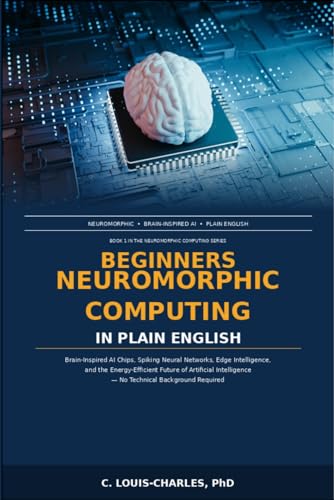
Beginners Neuromorphic Computing in Plain English: Brain-Inspired AI Chips, Spiking Neural Networks, Edge Intelligence, Energy-Efficient Future of … backgr (Understanding Neuromorphic Computing)
As an affiliate, we earn on qualifying purchases.
As an affiliate, we earn on qualifying purchases.
Conclusion
So, if you’re tired of betting on the same old AI hardware giants, why not diversify your portfolio with these promising alternatives? After all, who needs reliable, proven tech when you can gamble on the next big thing? Just remember—fortune favors the bold, or at least the ones willing to embrace a little chaos. So go ahead, dip your toes into the wild world of AI hardware startups—you might just hit the jackpot or learn a valuable lesson!
As an affiliate, we earn on qualifying purchases.
quantum computing infrastructure
As an affiliate, we earn on qualifying purchases.
As an affiliate, we earn on qualifying purchases.