
In 2025, you’ll face a challenging economic landscape shaped by both shifting monetary policies and escalating geopolitical tensions. Central banks may continue to adjust interest rates unpredictably, affecting borrowing and investments. Simultaneously, geopolitical conflicts, trade disputes, and sanctions can disrupt markets and supply chains. These interconnected risks increase volatility, making it harder to plan long-term. Staying alert to these developments and adapting your strategies accordingly can help you navigate this uncertain environment more effectively.
Key Takeaways
- Divergent monetary policies worldwide may cause exchange rate volatility and disrupt global capital flows in 2025.
- Geopolitical tensions and conflicts increase economic uncertainty, affecting supply chains and market stability.
- Policy shifts driven by geopolitical risks can trigger unexpected central bank actions and market reactions.
- Businesses face challenges in planning due to unpredictable interest rate changes and trade disruptions.
- Strategic flexibility and risk monitoring are essential to navigate the interconnected monetary and geopolitical uncertainties.
As we look toward 2025, policy uncertainty continues to pose significant risks to the global economy. You’re likely aware that governments and central banks are steering through a complex landscape marked by shifting priorities and unpredictable developments. One of the key factors fueling this uncertainty is the evolving stance on monetary policy. Central banks worldwide have been adjusting interest rates in response to inflation pressures and economic growth signals, but these moves aren’t always predictable. Sudden hikes or cuts in interest rates can disrupt markets, influence borrowing costs, and alter investment strategies almost overnight. This unpredictability makes it harder for businesses and consumers to plan for the future, increasing hesitation in spending and investing. Furthermore, the divergence in monetary policy approaches across nations adds to the complexity. While some economies tighten monetary policy to curb inflation, others continue to ease to stimulate growth, creating a patchwork of policies that can trigger capital flows and exchange rate volatility. These swings can destabilize markets and undermine economic stability, especially if investors lose confidence in the policy signals.
Simultaneously, geopolitical tensions remain a significant source of policy uncertainty. You’ve seen how conflicts, trade disputes, and diplomatic standoffs can escalate rapidly, disrupting supply chains and markets worldwide. These tensions often lead to sanctions, tariffs, and other trade barriers that complicate international commerce. As policymakers respond to these tensions, their decisions can be unpredictable, further unsettling markets. For example, sudden escalations between major powers can trigger flight-to-safety movements, causing sharp currency fluctuations and increased volatility in financial markets. Businesses that rely on global supply chains find it especially challenging to steer through this environment, as tariffs or sanctions can alter costs and availability of goods without warning. Additionally, political instability in key regions can lead to abrupt policy shifts, which investors interpret as increased risk. This heightened environment of uncertainty discourages long-term investments and hampers economic growth prospects.
In this climate, you need to stay alert to how monetary policy adjustments and geopolitical tensions intersect and influence the broader economic landscape. Both factors can amplify each other, creating a feedback loop that intensifies market swings and economic unpredictability. As policies shift and tensions escalate, the risk of sudden downturns or financial shocks rises. Your ability to anticipate these developments, understand their implications, and adapt strategies accordingly will be vital in steering through the uncertain terrain of the 2025 economy. Recognizing the interconnectedness of monetary policy and geopolitical risks helps you better prepare for the unpredictable, ensuring you’re not caught off guard by sudden market moves or policy surprises.
interest rate forecast calculator
As an affiliate, we earn on qualifying purchases.
As an affiliate, we earn on qualifying purchases.
Frequently Asked Questions
How Will Policy Changes Affect Small Businesses in 2025?
You’ll likely see regulatory shifts and tax reforms impact your small business in 2025, making planning more challenging. These policy changes could lead to increased compliance costs or new opportunities, depending on the direction they take. Staying adaptable will be key, so keep a close eye on legislative updates and be ready to adjust your strategies accordingly. This way, you can minimize risks and capitalize on new benefits as policies evolve.
What Specific Sectors Are Most Vulnerable to Policy Uncertainties?
You should watch sectors like energy, healthcare, and finance, as they’re most vulnerable to regulatory shifts. These industries face frequent policy changes that can quickly alter market conditions, affecting investments and profitability. Sector vulnerabilities stem from reliance on government approval, funding, or compliance standards. Staying informed about policy developments helps you anticipate risks and adapt strategies, ensuring your business remains resilient amid regulatory uncertainties.
How Can Investors Hedge Against Policy-Related Risks?
You can hedge against policy-related risks by using derivative strategies like options and futures, which help you protect your investments from sudden policy shifts. These tools act as risk mitigation measures, allowing you to lock in prices or limit losses. By actively managing your portfolio with derivatives, you reduce exposure to policy uncertainties, ensuring your investments stay more stable despite unpredictable regulatory or political changes.
What Role Will International Policies Play in the Economic Outlook?
International policies act as the compass guiding global trade through turbulent waters. You’ll see regulatory frameworks shaping economic currents, influencing investment flows and market stability. These policies set the stage for collaboration or conflict, impacting growth prospects. As you navigate this landscape, stay alert to shifts in international agreements, because they’re the wind that can propel your investments forward or leave them stranded amid uncertainty.
How Might Political Stability Influence Economic Forecasts?
You’ll find that political stability greatly influences economic forecasts by reducing regulatory hurdles and easing geopolitical tensions. When stability exists, businesses face fewer uncertainties, encouraging investments and growth. Conversely, instability heightens risks, leading to increased regulatory hurdles and heightened geopolitical tensions that can slow economic momentum. Your outlook depends on how governments maintain stability, fostering a predictable environment that supports sustainable economic development and minimizes disruptions.

Geopolitical Alpha: An Investment Framework for Predicting the Future
As an affiliate, we earn on qualifying purchases.
As an affiliate, we earn on qualifying purchases.
Conclusion
As policy uncertainty rises and risks loom, your awareness becomes your advantage. You can prepare, adapt, and navigate through the economic challenges ahead. By staying informed, making strategic decisions, and embracing flexibility, you’re better equipped to face the unpredictable landscape. In a world of shifting policies and unforeseen risks, your proactive approach—your readiness, your resilience, your resolve—will define your success. Stay alert, stay agile, and turn uncertainty into opportunity.
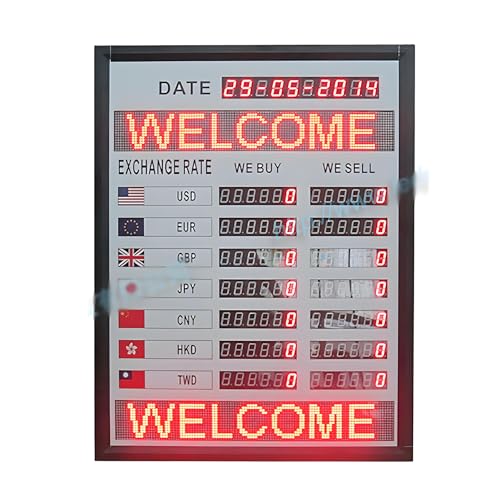
Foreign Exchange Price Exchange Rate Screen, Led Nation Exchange Rate Display WithRemote Control, U Disk Transfer Content, Automatic Time Update, Power-Off Memory, for Banks, Office
- Content Transfer via U Disk: Change display content quickly with USB
- Programmable Display: Edit and store settings via software
- High-Brightness Digital Tube: Clear, easy-to-read display with automatic time update
As an affiliate, we earn on qualifying purchases.
As an affiliate, we earn on qualifying purchases.

The Golden Window: The Complete Family Preparedness System for Economic Disruption, Supply Shortages, and What to Do Before the Window Closes
As an affiliate, we earn on qualifying purchases.
As an affiliate, we earn on qualifying purchases.