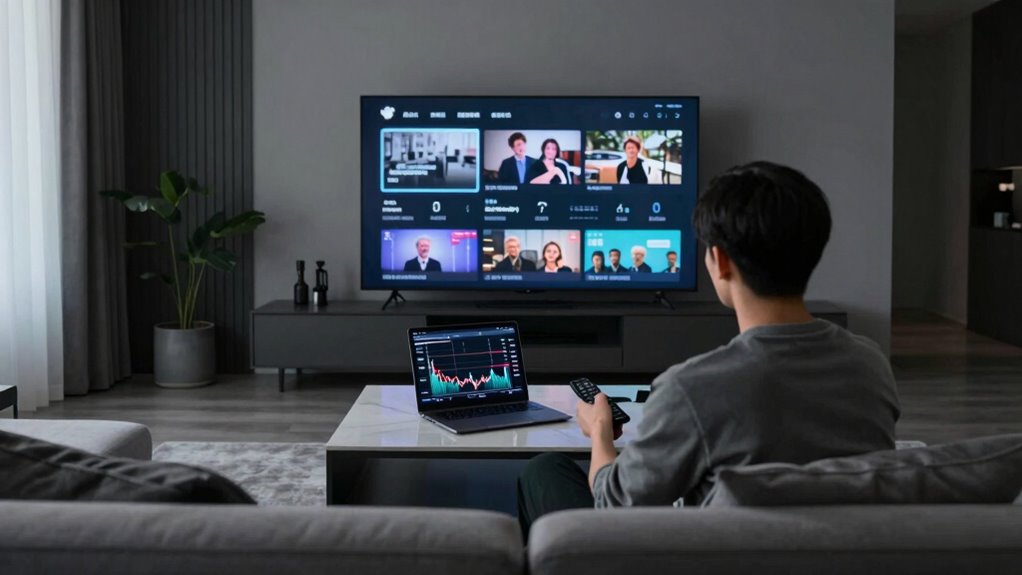

When fears of a recession grow, you become more cautious with your spending on entertainment and tech. You’re likely to choose affordable options, cut back on luxury subscriptions, or share accounts to save money. You might delay upgrading devices or skip costly streaming services in favor of free or cheaper alternatives. These habits help you maintain your leisure without stressing your budget. If you want to learn how these changes impact your choices further, keep exploring.
Open a free Amazon Business account
Business pricing, bulk buying and tax-exempt orders.
As an affiliate, we earn on qualifying purchases.
Key Takeaways
- Consumers prioritize affordable entertainment options to reduce financial risk during economic uncertainty.
- Higher-cost streaming services and gadgets are less justifiable, leading to more cautious spending.
- Sharing accounts and choosing free or low-cost alternatives help maintain access while saving money.
- Budget-friendly gaming and refurbished devices offer cost-effective entertainment solutions.
- Economic awareness prompts strategic decisions, delaying upgrades and focusing on value-driven purchases.
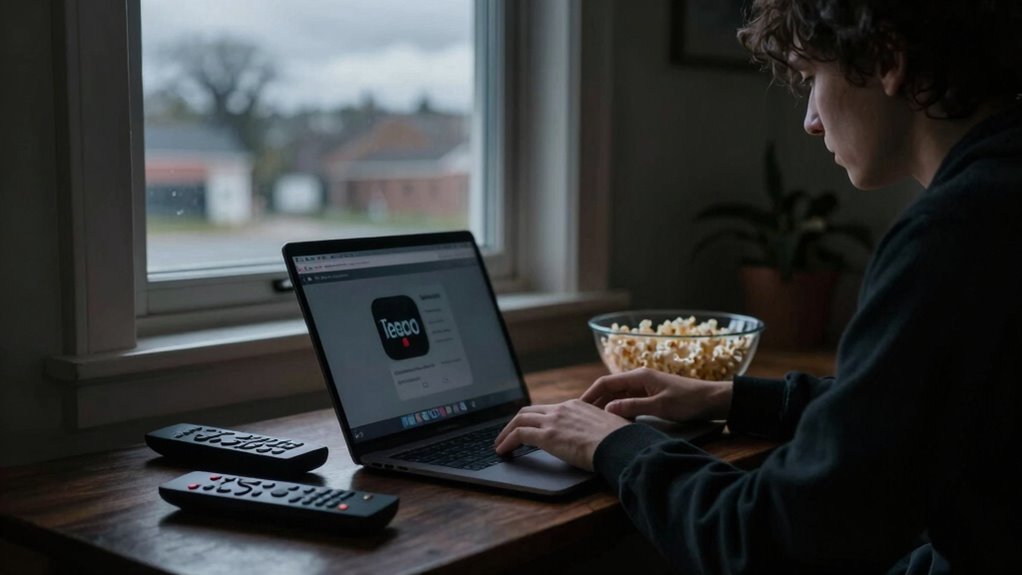
As fears of a recession grow, many consumers are reconsidering their spending habits, especially when it comes to entertainment. You might find yourself asking whether splurging on the latest streaming service or high-end gadgets is worth it when the economy feels uncertain. This shift doesn’t mean you’re giving up entertainment altogether; instead, you’re becoming more selective and strategic about how you spend. For some, that means opting for more affordable options like budget gaming, where you can enjoy hours of entertainment without breaking the bank. Others might still indulge in luxury streaming services but are more mindful about how often they subscribe or renew memberships.
Luxury streaming platforms, which often carry hefty monthly fees for premium content, now seem less justifiable for many. You might think twice before signing up for multiple services, especially if your income feels less secure. Instead, you could focus on free or lower-cost options, such as ad-supported streaming or sharing accounts with family members to cut costs. This approach allows you to stay entertained without adding financial stress. Meanwhile, the appeal of budget gaming grows. You realize that you can enjoy high-quality gaming experiences at a fraction of the price of other entertainment options. Many online games or mobile apps offer engaging content with minimal investment, making them perfect for those watching their budgets.
The tightening purse strings also influence your tech purchases. Instead of upgrading to the latest flagship device, you might opt for refurbished or mid-range models, emphasizing value over cutting-edge features. This mindset helps you avoid unnecessary debt while still enjoying the benefits of new technology. It’s about balancing your desire for entertainment and gadgets with the reality of economic uncertainty. You may also delay expensive upgrades or subscriptions, preferring to get the most out of what you already own. Additionally, choosing a home theatre projector can be a cost-effective way to enjoy a cinematic experience without the expense of a traditional home theater setup. Exploring cost-saving home tips can further stretch your entertainment budget during tough economic times. Being aware of economic indicators can help you make more informed decisions about your spending and saving strategies. Moreover, understanding how consumer confidence fluctuates can help you anticipate and adapt to changing economic conditions.
As an affiliate, we earn on qualifying purchases.
Frequently Asked Questions
How Do Consumer Sentiments Change During Economic Downturns?
During economic downturns, your consumer sentiments shift by reducing spending patterns and feeling less optimistic about the future. You tend to prioritize essential purchases over discretionary items, which impacts entertainment and tech spending. As optimism levels dip, you become more cautious, delaying big purchases and seeking savings. This change in mindset influences overall market demand, prompting companies to adapt their offerings to match the more frugal consumer behavior.
What Specific Entertainment Sectors Are Most Affected by Recession Fears?
You might notice streaming declines by 10-15% during recessions, reflecting tighter budgets. Concert cancellations surge as people cut back on discretionary spending, directly affecting the live entertainment sector. Recession fears cause consumers to prioritize essentials, making entertainment sectors like streaming and live events especially vulnerable. You may find fewer concerts in your area and a dip in streaming service subscriptions as financial worries grow.
Do Tech Companies Experience Different Impacts Compared to Entertainment Companies?
Tech companies often experience different impacts during a recession compared to entertainment firms. You might see reduced spending on new tech innovation, delaying product launches or upgrades. In contrast, entertainment companies may focus more on trending content to attract viewers without heavy investment. During tough times, both sectors adjust strategies, but tech often faces more immediate cutbacks, while entertainment leans on existing trends to maintain engagement.
How Do Marketing Strategies Shift During Recession Periods?
When recession hits, you tighten your belt and shift your marketing strategies. You lean more on luxury branding to emphasize quality and exclusivity, appealing to consumers still willing to indulge. You also adjust pricing strategies, offering discounts or value-packed bundles to retain loyalty. By doing so, you show you’re adaptable, turning challenges into opportunities — proving that even in tough times, smart marketing can keep your brand afloat.
Are There Long-Term Effects on Consumer Habits Post-Recession?
Yes, there are long-term effects on your consumer habits after a recession. You tend to develop greater consumer resilience, becoming more cautious with your spending. Your spending patterns shift toward prioritizing essentials and value, avoiding unnecessary purchases. This cautious approach often persists, influencing how you allocate your budget even when the economy recovers. Overall, recession experiences reshape your habits, making you more mindful and strategic about your financial decisions in the future.
As an affiliate, we earn on qualifying purchases.
Conclusion
As the storm clouds gather overhead, your wallet becomes the lighthouse guiding your choices. Recession fears cast shadows, prompting you to seek comfort in familiar entertainment and tech treasures—like a lighthouse offering refuge amid uncertain seas. Remember, even in turbulent times, your choices illuminate your path forward. Stay anchored, stay mindful, and let your instincts steer you safely through the fog of economic uncertainty.
As an affiliate, we earn on qualifying purchases.
As an affiliate, we earn on qualifying purchases.
Flea & tick season Picks
flea and tick prevention
As an affiliate, we earn on qualifying purchases.