
To naturally boost your nitric oxide levels, include nitrate-rich foods like leafy greens such as spinach, arugula, and kale, as well as root vegetables like beets, radishes, and turnips. Herbs and microgreens also add nitrates to your diet. Opt for fresh, locally grown produce, and prepare them through light steaming or raw to preserve their nitrates. Keep exploring to discover more ways to boost your health with nitrate-rich foods.
Key Takeaways
- Leafy greens like spinach, arugula, and kale are top nitrate sources that boost nitric oxide production.
- Beets and beetroot products are high in nitrates and support increased nitric oxide levels.
- Celery and radishes contain moderate nitrates and can help enhance nitric oxide synthesis.
- Microgreens and certain herbs are nitrate-rich options to naturally elevate nitric oxide.
- Consuming fresh, locally grown vegetables ensures higher nitrate content to promote nitric oxide production.
Nitrates are naturally occurring compounds found in many vegetables and foods, and they play an important role in your diet. When you consume nitrate-rich foods, your body converts these compounds into nitric oxide, a molecule that supports various essential functions. This conversion offers several health benefits, such as improving blood flow, lowering blood pressure, and enhancing exercise performance. To maximize these benefits, it’s helpful to understand nitrate sources and how to incorporate them into your meals.
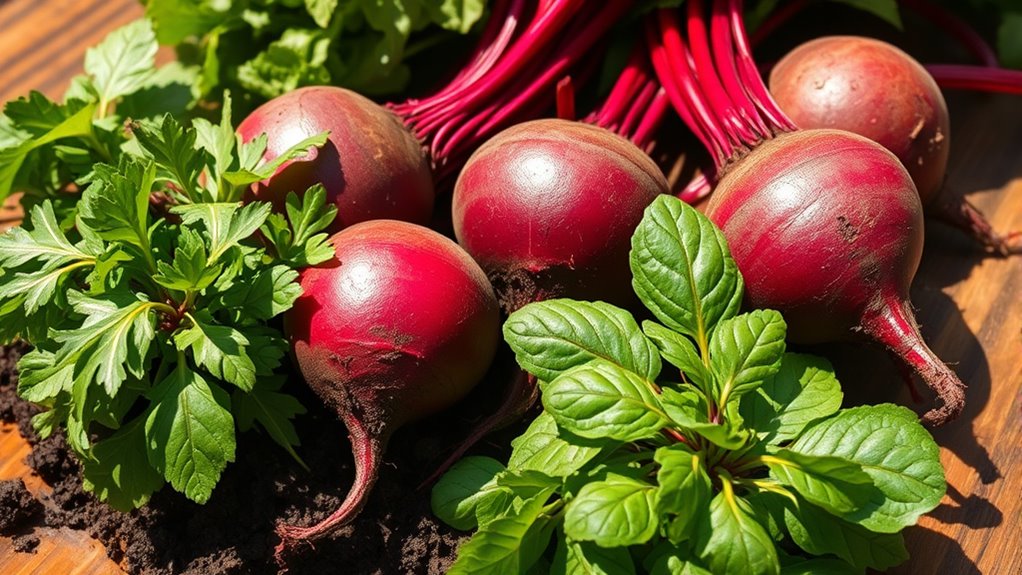
Vegetables are among the best nitrate sources, particularly leafy greens and root vegetables. Spinach, arugula, lettuce, and kale pack a high nitrate punch, making them excellent choices for increasing your intake. Beets are another standout, renowned for their high nitrate content. These vegetables not only boost nitric oxide production but also provide other nutrients like antioxidants and fiber, further supporting your overall health. Including a variety of these in your diet ensures you get a steady supply of nitrates, which can contribute to better cardiovascular health and stamina.
In addition to leafy greens and beets, other vegetables like celery, radishes, and turnips contain moderate nitrate levels. You might also find nitrate-rich foods in certain herbs and microgreens, adding flavor and nutritional value to your meals. It’s worth noting that nitrate levels can vary depending on factors like soil quality, cultivation methods, and storage, so consuming fresh, locally grown produce can help ensure higher nitrate content.
Incorporating nitrate-rich foods into your diet isn’t complicated. You can add spinach or arugula to salads, blend beets into smoothies, or include celery sticks as snacks. Cooking methods also matter; lightly steaming or eating vegetables raw helps preserve their nitrate content better than prolonged boiling. Remember, though, that balance is key—while nitrates are beneficial, consuming them as part of a balanced diet with diverse vegetables and fruits is ideal.
Frequently Asked Questions
Are Nitrate-Rich Foods Suitable for Everyone?
Nitrate-rich foods can be suitable for most people, especially if you choose vegetarian options like spinach, beets, and arugula. However, you should be cautious with processed foods, as food processing can add nitrates and nitrites, which might not be beneficial. If you have health issues like kidney disease or are pregnant, consult your doctor before increasing your intake, since nitrate sensitivity varies.
Can Nitrates Help Improve Athletic Performance?
Yes, nitrates can help improve your athletic performance by boosting your athletic endurance. When you consume nitrate-rich foods, your body converts nitrates into nitric oxide, which enhances blood flow and oxygen delivery to muscles. This process, known as nitrate conversion, can make you feel less fatigued and perform better during intense activities. Incorporating these foods into your diet may give you that extra edge in sport and exercise routines.
How Do Nitrates Affect Blood Pressure Levels?
A healthy heart is a well-oiled machine. Nitrates help lower your blood pressure by promoting blood vessel relaxation through nitrate metabolism. They support blood pressure regulation, making it easier for blood to flow smoothly. As you increase nitrate intake, your body converts it into nitric oxide, which relaxes your arteries. This process helps reduce hypertension risks, so you keep your cardiovascular system running like a well-oiled machine.
Are There Any Risks Associated With High Nitrate Intake?
You should be aware that high nitrate intake can pose risks of overconsumption, which might lead to nitrate poisoning. Consuming excessive nitrates from processed meats or supplements can cause symptoms like headaches, dizziness, or stomach upset. To stay safe, balance your intake and avoid taking large doses without medical advice. Moderation is key, especially if you’re using nitrate-rich foods or supplements regularly.
How Long Does It Take to See Benefits From Nitrate-Rich Foods?
You might start noticing the benefits from nitrate-rich foods within a few hours to a couple of days, but the timing of benefits varies depending on your individual response. Some people experience improved blood flow and energy levels quickly, while others may see gradual changes over weeks. Consistently including these foods in your diet helps optimize nitric oxide production, but patience is key as your body adapts.
Conclusion
Incorporate nitrate-rich foods into your diet to boost nitric oxide levels, improve circulation, and enhance stamina. Choose beets for their vibrant color, leafy greens for their versatility, and root vegetables for their earthy flavor. Embrace these foods to energize your body, support your health, and elevate your performance. Make these nitrate-packed options part of your daily routine, and experience the benefits of better blood flow, increased vigor, and improved overall well-being.