Military innovations often influence consumer tech by accelerating advancements in areas like autonomous vehicles, wearables, and cybersecurity. Technologies initially designed for defense, such as sensors, encryption, and durable components, become the foundation for safer, more reliable, and efficient consumer devices. The focus on miniaturization, portability, and interoperability helps make your gadgets smarter and more seamless. If you stay curious, you’ll discover even more how these powerful military ideas shape everyday tech around you.
Key Takeaways
- Military research accelerates development of autonomous navigation and sensor technologies, later adapted for civilian driverless vehicles.
- Wearable sensors from military applications improve consumer health tracking, fitness devices, and medical diagnostics.
- Innovations in miniaturization, portability, and secure communication from military tech enhance consumer wearable devices.
- Military cybersecurity advancements in encryption and secure communication protect consumer data and online transactions.
- Durability, reliability, and interoperability standards from military research improve the lifespan and compatibility of consumer electronics.
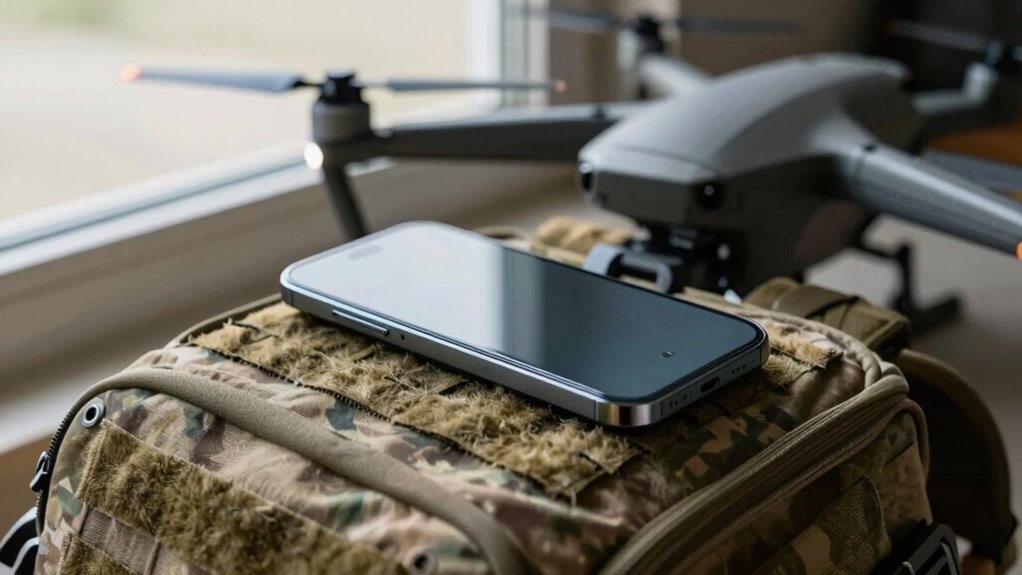
Military innovation has long driven technological advancements that eventually find their way into consumer products, transforming everyday life. Think about how autonomous vehicles, once a distant science fiction concept, are now emerging on public roads, thanks in part to military research. The military’s need for unmanned systems to perform dangerous tasks has accelerated the development of autonomous navigation and sensor technologies. These innovations, initially designed for defense purposes, have been adapted for civilian use, making driverless cars safer and more reliable. As a consumer, you may not realize it, but the cars you see on the road could owe some of their technology to military-grade autonomous systems that prioritize precision, obstacle detection, and real-time decision-making.
Military innovation drives autonomous vehicle tech, making driverless cars safer, more precise, and ready for everyday roads.
Wearable devices are another prime example of military influence shaping consumer tech. The military’s interest in wearable sensors for soldiers—tracking vital signs, location, and environmental conditions—has paved the way for the health and fitness wearables you use daily. Military-grade sensors are built to withstand extreme conditions, making them highly durable and accurate. When you wear a fitness tracker or smartwatch, you benefit from these robust sensors that originated from military research aimed at monitoring soldiers’ health in combat zones. The data collected helps you keep track of your health, stay motivated during workouts, and even alert you to potential medical issues before symptoms appear.
The military’s push for lightweight, portable, and energy-efficient devices has also influenced consumer technology. Wearable devices today are smaller, more discreet, and longer-lasting because developers adapted military battery and miniaturization techniques. These innovations extend beyond health tracking to include augmented reality glasses, which military personnel use for navigation and situational awareness. Now, similar devices are entering the consumer market, enhancing gaming, training, and everyday communication. Additionally, military efforts to develop secure communication systems have driven innovations in encryption that benefit your personal data protection. This ongoing exchange of ideas highlights how military priorities accelerate the development of cutting-edge technology that benefits consumers in everyday life. Furthermore, the military’s focus on interoperability and standardization has influenced the compatibility and integration of consumer devices, ensuring smoother user experiences across various platforms. Military research also contributes to the development of durable and reliable components that improve the longevity and performance of consumer electronics.
Furthermore, the military’s focus on secure communications has led to advancements in encryption and cybersecurity, affecting how your personal data is protected on consumer devices. The drive for resilient, tamper-proof systems in defense has trickled down into the encryption standards used in your smartphones and online transactions. These security measures help safeguard your information from increasingly sophisticated cyber threats, underscoring the importance of military-led innovations in the digital age.
As an affiliate, we earn on qualifying purchases.
Frequently Asked Questions
How Long Does It Typically Take for Military Innovations to Reach Consumers?
Typically, military innovations take around 10 to 20 years to reach consumers, influenced by innovation cycles and military funding. You’ll notice that new technologies often undergo rigorous testing and refinement in military settings before they become accessible. During this period, advancements are adapted for civilian use, making products more reliable and affordable. The timeline varies depending on the complexity of the innovation and the level of investment from defense agencies.
What Are Some Examples of Military Tech Directly Transforming Everyday Devices?
Think of military tech as a seed that grows into everyday gadgets. Surveillance drones have evolved into aerial cameras in your smartphones, capturing moments from above. GPS navigation, once a military secret, now guides your daily commute with precision. These innovations transformed from battlefield tools to essential parts of your life, proving that military ingenuity often finds its way into your hands, quietly changing how you see and navigate the world.
Are There Any Risks Associated With Adapting Military Technology for Consumer Use?
Adapting military technology for consumer use can pose risks to civil liberties and raise ethical concerns. You might worry about increased surveillance or loss of privacy if sensitive military-grade systems are misused. It’s essential to take these issues into account, ensuring that innovations don’t compromise personal freedoms or ethical standards. Responsible regulation and transparency help balance technological benefits with protecting civil liberties and addressing ethical concerns.
How Do Military Priorities Influence the Development of New Consumer Technologies?
Coincidences often spark civilian adaptation, as military priorities drive innovation spillover into consumer tech. When the military seeks advanced communication or navigation systems, companies develop smaller, more affordable versions for everyday use. Your desire for faster smartphones or smarter home devices often stems from these innovations. Military focus on security, durability, and efficiency naturally influences the features and development of consumer technologies, creating a cycle where defense needs shape everyday life.
What Role Do Government Agencies Play in Commercializing Military Innovations?
Government agencies play a vital role in civil-military innovation commercialization by funding research, developing regulations, and facilitating partnerships between military and civilian sectors. You benefit from this collaboration as agencies help translate military innovations into consumer technologies, ensuring they meet safety standards and market needs. Their support accelerates innovation commercialization, making advanced military tech accessible to the public and fostering economic growth through new product development.
As an affiliate, we earn on qualifying purchases.
Conclusion
You’ve seen how military innovation leads to incredible consumer tech advancements, shaping everyday life in ways you might not even notice. From smartphones to GPS, these innovations often start on the battlefield before becoming part of your routine. So, next time you use a new gadget, ask yourself—what groundbreaking invention might be lurking behind the scenes, waiting to revolutionize your world just like before? After all, isn’t it exciting to think of the future just around the corner?
As an affiliate, we earn on qualifying purchases.
As an affiliate, we earn on qualifying purchases.