Smart TVs have transformed from simple screens into media hubs by incorporating voice control, streaming apps, and personalized interfaces that make finding and enjoying content easier. They now connect seamlessly with other smart devices, turning your living room into a smart entertainment center. This evolution allows you to control everything from one device, making your experience more intuitive and immersive. Keep exploring to see how these features create a smarter, more integrated home entertainment setup.

Get movie nights delivered free — and shop member deals
- Fast, free delivery on millions of items
- Access to Prime Big Deal Days deals on October 6–7
- Prime Video, Amazon Music and more included
Key Takeaways
- Transition from traditional broadcasting to streaming services transformed TVs into on-demand media centers.
- Voice control and intuitive interfaces simplified content discovery and enhanced user interaction.
- Integration with smart home devices turned TVs into centralized entertainment and control hubs.
- Support for high-quality visuals like 4K and HDR improved multimedia viewing experiences.
- Customizable, personalized content recommendations increased user engagement and made TVs more versatile.

Smart TVs have transformed from simple displays into central media hubs that connect you to a world of streaming content, apps, and devices. Today, they’re more than just screens; they’re the control centers of your entertainment setup. One of the biggest shifts has been how you interact with your TV. Voice control has become a game-changer, allowing you to navigate menus, search for content, or even change channels just by speaking. No more fumbling for remote buttons or typing on awkward on-screen keyboards. With voice commands, you can ask your TV to find your favorite shows, adjust the volume, or switch inputs effortlessly. This hands-free approach makes content streaming smoother and more intuitive, especially when your hands are full or when you want a quick way to access what you want.
Content streaming is the core reason smart TVs have evolved into media hubs. Instead of relying solely on traditional broadcast signals or cable subscriptions, you now have instant access to a vast library of movies, TV shows, and music through apps like Netflix, Hulu, Disney+, and countless others. This shift means you can binge your favorite series or catch up on new releases without needing additional devices or complicated setups. Smart TVs integrate these streaming services seamlessly, so you’re never more than a few clicks away from your preferred content. Plus, they often support 4K and HDR, delivering stunning picture quality right on your living room screen. The user interface has also become more user-friendly, with intuitive menus and personalized recommendations based on your viewing habits. This means you spend less time searching and more time enjoying. As a result, your TV becomes the centerpiece of your entertainment, offering easy access to content streaming, voice-activated controls, and device integration. It’s no wonder that smart TVs are now essential in modern homes—they truly function as media hubs that simplify and elevate your entertainment experience. Additionally, the integration of home theater features enhances the overall viewing environment, making your smart TV the ultimate entertainment command center.
A connected ecosystem allows for even more seamless integration with other smart devices in your home, creating a cohesive entertainment and smart home setup. Incorporating smart home technology further enhances the convenience and customization of your entertainment experience.
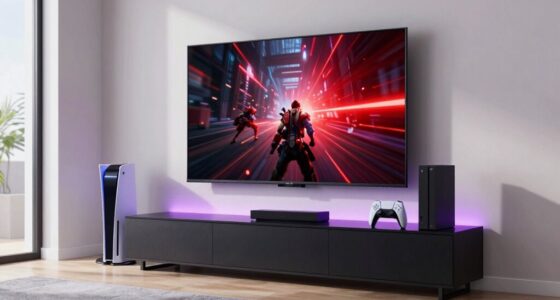
4K HDR smart TV with voice control
As an affiliate, we earn on qualifying purchases.
As an affiliate, we earn on qualifying purchases.
Frequently Asked Questions
What Are the Main Technical Differences Between Traditional TVS and Smart TVS?
You’ll notice that smart TVs have integrated internet connectivity and built-in apps, unlike traditional TVs. They enable content streaming directly from services like Netflix or YouTube, providing a versatile viewing experience. Additionally, smart TVs often feature higher screen resolution options, delivering sharper images. These technical differences make smart TVs more interactive and capable of offering a wider range of entertainment options than traditional models.
How Do Smart TVS Connect to Other Smart Home Devices?
Think of your smart TV as the conductor of your home’s digital symphony. You connect it to other devices through Wi-Fi or Bluetooth, enabling seamless integration. Voice control allows you to command your smart home gadgets effortlessly, while app integration links your TV to smart lights, thermostats, and more. This interconnected setup transforms your TV into a central hub, making your smart home smarter and more intuitive.
What Are Common Security Concerns With Smart TV Media Hubs?
You should be aware of common security concerns with smart TV media hubs, like privacy vulnerabilities where personal data could be exposed or misused. Hackers might exploit weak security to access your viewing habits or sensitive information. To protect yourself, make certain your device uses data encryption, keep firmware updated, and disable unnecessary features. Staying vigilant helps minimize risks and keeps your smart TV experience safe and private.
How Do Software Updates Enhance Smart TV Functionality?
Software updates improve your smart TV’s functionality by refining the user interface, making navigation smoother and more intuitive. They also enhance app compatibility, allowing you to access the latest streaming services and features. Regular updates fix bugs, boost security, and add new capabilities, ensuring your TV stays current with evolving technology. By keeping your software up-to-date, you enjoy a more seamless, secure, and versatile media experience.
Can Smart TVS Replace Dedicated Media Center Devices Entirely?
Smart TVs can replace dedicated media center devices for many users, especially with voice control and content streaming features. You can access apps, control playback, and search for content using voice commands, making the experience seamless. While they might lack some advanced customization or storage options of dedicated devices, for most, a smart TV offers enough functionality to serve as a central media hub without needing extra gadgets.
As an affiliate, we earn on qualifying purchases.
Conclusion
Think of your smart TV as a bustling city square, once just a simple billboard. Now, it’s a lively hub where streets of streaming services, apps, and social connections converge, all buzzing with activity. You’re the mayor, guiding this vibrant space to suit your needs. As it evolves from a static screen to a dynamic media hub, your TV becomes a lively marketplace—where entertainment, information, and connection are always just a click away.
As an affiliate, we earn on qualifying purchases.
As an affiliate, we earn on qualifying purchases.
Fall Picks
fall essentials
As an affiliate, we earn on qualifying purchases.