Your age, income, and location shape how you pick streaming platforms. Younger viewers, like Millennials and Gen Z, often switch platforms based on content variety and costs, favoring mobile devices or multiple streaming services. Older audiences tend to stick with traditional TV or stable smart TVs. Higher-income users prefer premium, ad-free options, while budget-conscious folks opt for ad-supported services. Your choices reveal a lot about what keeps you engaged—exploring more can uncover even deeper patterns.
Key Takeaways
- Younger viewers (Millennials and Gen Z) frequently cancel and resubscribe, seeking content variety and flexibility, indicating preferences for on-demand, customizable platforms.
- Higher-income adults tend to subscribe to premium, exclusive streaming services, reflecting a preference for quality content and advanced device usage.
- Older demographics, especially Boomers, prefer traditional smart TVs and maintain more stable, long-term subscriptions.
- Cost-sensitive and lower-income viewers favor ad-supported, free streaming options like PlutoTV and Tubi, influencing platform choice based on affordability.
- Regional differences show North America and Europe with seamless streaming habits, while Asia and Latin America prioritize mobile devices and local content engagement.

MOTU M4 4x4 USB-C Audio Interface
4-in/4-out USB-C Audio Interface with 2 Microphone Preamps
As an affiliate, we earn on qualifying purchases.
Streaming’s Surge Across Age Groups

Streaming has experienced a remarkable surge across all age groups, fundamentally transforming how people consume TV content. You’re likely to notice more streaming on devices like smart TVs, smartphones, and tablets than traditional broadcast or cable. The shift is especially evident among younger viewers, with nearly 90% of adults under 50 engaging with streaming services. But older demographics aren’t left behind; many still maintain traditional TV subscriptions, though their streaming participation is growing. Overall, streaming now accounts for about 45% of TV usage, surpassing cable and broadcast combined. This rapid adoption reflects a broad desire for on-demand content, flexible viewing options, and the appeal of diverse platforms. No matter your age, streaming has become a dominant way to watch TV today, with the rise of automated content delivery making personalized viewing experiences more accessible than ever.
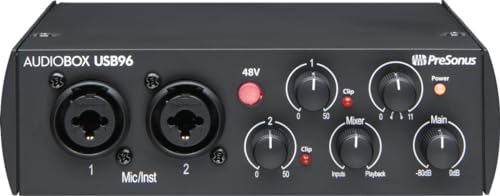
PreSonus AudioBox 96 25th Anniversary USB Audio Interface
Value-packed 2-channel USB 2.0 interface for personal and portable recording.
As an affiliate, we earn on qualifying purchases.
Income Levels and Platform Engagement

Higher-income adults are the most active users of streaming platforms, often engaging with a wider variety of content and multiple services. They tend to subscribe to premium options like Netflix, Amazon Prime, and specialized channels, valuing quality and exclusive offerings. These viewers are also more likely to use multiple devices and platforms, including smart TVs, streaming sticks, and gaming consoles, to access their favorite content. Additionally, higher-income consumers may seek out skincare and beauty products that are innovative and trustworthy, reflecting their overall investment in quality experiences. Middle- and lower-income groups still show high engagement, with over 75% participating in streaming, but they lean more toward ad-supported services like PlutoTV and Tubi to save costs. Overall, higher income correlates with broader platform use and content diversity, reflecting a willingness to invest in entertainment and access premium experiences.

M-AUDIO M-Track Solo USB Audio Interface for Recording, Streaming and Podcasting with XLR, Line and DI Inputs, Plus a Software Suite Included
Podcast, Record, Live Stream, This Portable Audio Interface Covers it All - USB sound card for Mac or...
As an affiliate, we earn on qualifying purchases.
Generational Subscription Patterns and Churn

Younger generations like Millennials and Gen Z tend to exhibit more dynamic subscription behaviors, frequently canceling and resubscribing to streaming services based on their interests and budget considerations. This pattern reflects their desire for flexibility and content variety. They’re more likely to pause subscriptions when content wanes or costs rise, then restart when new shows or deals entice them back. In contrast, Boomers tend to stick with fewer subscriptions longer. Here’s how it breaks down:
| Generation | Cancel Rate (Past 6 Months) | Resubscribe Rate |
|---|---|---|
| Millennials | 62% | 43% |
| Gen Z | 57% | 38% |
| Boomers | 24% | 7% |
| Gen X | 50% | 35% |
This churn cycle highlights younger viewers’ pursuit of content flexibility and cost management. Additionally, their tendency to cancel and resubscribe frequently underscores the importance of offering adaptable subscription plans to retain their engagement.

Solid State Logic Ssl 2 Plus Mkii USB C 2 in and 4 Out Audio Interface
Producer/Podcaster/Live-Studio Musician : Bus Powered, Mac/Windows
As an affiliate, we earn on qualifying purchases.
Device Preferences Shaped by Demographics

Device preferences for streaming vary markedly across demographic groups, shaping how you access and enjoy content. If you’re in your 20s or 30s, you’re likely to favor smartphones and tablets for quick, on-the-go viewing, with 45% streaming on mobile devices in Asia. Millennials and Gen Z also prefer streaming sticks and gaming consoles, valuing flexibility and variety. In contrast, older adults, especially those over 65, rely heavily on smart TVs, which dominate 74.5% of U.S. households. Younger viewers tend to binge-watch on comfortable devices, like large-screen TVs, while cost-conscious users gravitate toward ad-supported FAST services on various devices. Your device choices reflect your age, lifestyle, and content preferences, influencing how streaming platforms tailor their offerings. Additionally, the rise of remote work has led many users to optimize their devices for both entertainment and productivity at home.
Regional Variations in Streaming Behavior

Regional differences markedly shape streaming habits, influenced by factors like internet infrastructure, device accessibility, and cultural preferences. In North America, high-speed internet and widespread device access foster seamless streaming, leading to higher consumption on smart TVs and computers. In contrast, regions like Asia see mobile phones dominate, with 45% of users streaming on mobile devices, while desktop use remains minimal. Europe often balances between traditional TV and streaming, depending on local infrastructure and content availability. Cultural preferences also influence platform popularity; for instance, local content drives engagement in Latin America and Southeast Asia. Economic factors matter too—lower-income regions favor ad-supported FAST services, while higher-income areas lean toward subscription-based platforms. Understanding these regional variations helps tailor content and platform strategies effectively.
Demographic Trends in Content Consumption

Demographic trends reveal significant variations in how different age groups and income levels consume content across streaming platforms. You’ll notice that younger audiences, especially Millennials and Gen Z, prefer flexible, short-form, and binge-worthy content, often switching platforms based on their interests. Meanwhile, older adults tend to stick with familiar formats like traditional TV or longer shows on platforms like Netflix or Amazon Prime. Income levels also influence consumption patterns; higher-income viewers often subscribe to multiple services, while cost-conscious viewers favor ad-supported options like PlutoTV or Roku Channel. Additionally, concerns about AI safety vulnerabilities influence the development and curation of content, affecting viewer trust and platform reputation.
The Rise of FAST Services Among Cost-Conscious Viewers
As streaming costs continue to rise, more viewers are turning to FAST (free ad-supported streaming TV) services as a budget-friendly alternative. You’re likely seeking affordable entertainment without the burden of monthly subscriptions. FAST platforms like PlutoTV, Roku Channel, and Tubi offer a wide range of content at no cost, supported by ads. These services appeal especially to cost-conscious viewers who want variety without financial commitment. Younger audiences, in particular, prefer the flexibility of ad-supported options, often switching between platforms based on content offerings and pricing. As more people feel the pinch of rising entertainment expenses, FAST services are becoming a popular choice for staying connected without overextending your budget. This shift highlights a growing demand for accessible, economical streaming options. Additionally, the increasing availability of high-quality content on these platforms demonstrates the importance of content quality in attracting and retaining viewers.
Impact of Subscription Fatigue on Platform Loyalty
Younger viewers are more likely to cancel and resubscribe, showing how subscription fatigue impacts their loyalty. They seek platforms that offer content flexibility and options to customize their subscriptions. This churn challenges providers to find ways to retain these audiences amid growing economic pressures, much like households look for reliable and safe backup power solutions that are tailored to their needs through clear guidance and practical tools sizing and load‑planning.
Younger Generations’ Churn Rates
Why are subscription fatigue and platform churn more pronounced among younger generations? It’s because they’re more adaptable and less loyal to a single service. They frequently test new platforms, cancel subscriptions when content doesn’t meet expectations, and switch to cheaper or more flexible options. This behavior stems from their desire for variety and control over their viewing experiences. Additionally, their familiarity with eye patch benefits and the importance of trying different solutions reflects their overall tendency to experiment and adapt to new offerings.
Content Flexibility and Retention
Subscription fatigue has made viewers more cautious about long-term loyalty, prompting platforms to adapt by offering greater content flexibility. You now see platforms focusing on customizable bundles, on-demand options, and varied content genres. This approach helps reduce churn and keeps viewers engaged. Platforms that provide easy subscription management and diverse content appeal to those juggling multiple services.
| Flexibility Feature | Benefit | Audience Impact |
|---|---|---|
| Content Bundles | Cost savings | Attracts price-sensitive users |
| On-Demand Access | Convenience | Encourages longer retention |
| Genre Diversity | Variety | Appeals to broad demographics |
| Subscription Tiers | Custom options | Meets different viewer needs |
| Easy Cancellation | Control | Builds trust, reduces frustration |
Cross-Platform Usage and Multi-Streaming Habits
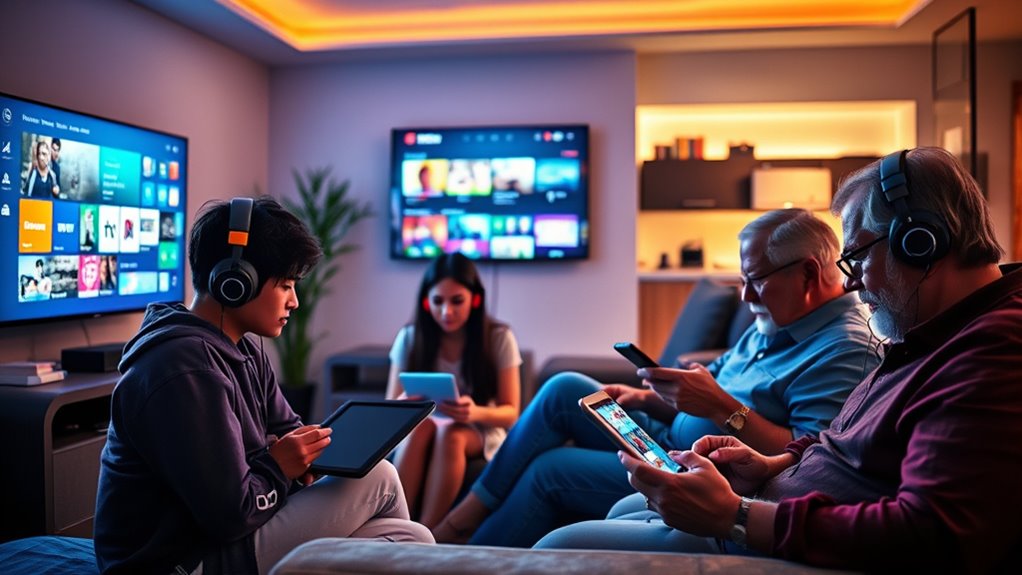
Many viewers now switch between multiple platforms to get their preferred content, creating complex engagement patterns. Younger audiences, in particular, show a high degree of flexibility, often juggling streaming services with traditional TV or social media. This overlap highlights evolving habits driven by content variety, subscription fatigue, and device preferences.
Multi-Platform Engagement Patterns
Are viewers truly sticking to just one platform, or are they juggling multiple streaming services and devices? Many of you switch between platforms to access different content or take advantage of promotional bundles. Multi-platform engagement is now common, driven by content variety and cost-saving strategies. You might use various devices, such as smart TVs, streaming sticks, and mobile phones, to customize your viewing experience. Additionally, understanding audience preferences through voiceover techniques can help content creators better tailor their offerings to diverse demographics.
These habits reflect a desire for choice, convenience, and content accessibility across multiple platforms.
Age-Driven Streaming Flexibility
Age plays a pivotal role in shaping streaming flexibility, as younger viewers are more likely to juggle multiple platforms and devices to access their favorite content. You’ll notice Millennials and Gen Z often switch between services, canceling and resubscribing based on interests. They prefer diverse devices, from smart TVs to streaming sticks and smartphones, enabling seamless content on the go. This fluidity fuels multi-streaming habits and platform exploration.
| Age Group | Device Preference | Subscription Behavior | Content Choices |
|---|---|---|---|
| 18–29 | Mobile & Smart TV | Frequent switching | Binge & short clips |
| 30–44 | Smart TV & Streaming Sticks | Occasional cancellations | Diverse genres |
| 45–64 | Smart TV & Desktops | Stable but cautious | Premium content |
| 65+ | Smart TV | Less flexible | Traditional TV & limited streaming |
Subscription Overlap Trends
Recent trends show that cross-platform usage and multi-streaming habits have become widespread among viewers. You’re likely juggling multiple streaming services, often simultaneously. This overlap allows you to access diverse content and avoid subscription fatigue. Many viewers, like you, maintain both traditional and streaming subscriptions, blending different platform experiences. Additionally, as viewers seek to optimize space and organization in their entertainment setups, they often invest in multi-functional furniture and vertical storage to accommodate various devices and subscriptions. Home organization has thus become an integral part of managing your multi-platform viewing experience.
- 28% of Americans use streaming and cable simultaneously, while 55% rely solely on streaming.
- Younger audiences, especially Millennials and Gen Z, frequently switch subscriptions, canceling and resubscribing based on content.
- Device preferences shift with multi-platform habits, with smart TVs and streaming sticks leading, and mobile streaming gaining regional prominence.
This overlap shows your desire for flexible, personalized viewing options across devices and platforms, shaping the future of streaming consumption.
Economic Factors Influencing Platform Choices

Economic factors considerably shape how viewers choose their streaming platforms. You’re likely to prioritize options that offer the best value for your budget, especially as subscription costs rise. Many people feel stressed by increasing prices, leading to a surge in ad-supported streaming services like PlutoTV, Tubi, and Roku Channel, which provide free content with ads. You might also opt for bundled subscriptions or flexible plans to save money and reduce subscription fatigue. Younger viewers, in particular, are more sensitive to costs and tend to switch platforms frequently, seeking diverse content at lower prices. Overall, economic considerations heavily influence whether you stick with premium services or opt for more affordable, ad-supported alternatives, shaping your platform choices based on affordability and perceived value.
Frequently Asked Questions
How Do Cultural Preferences Influence Platform Selection in Various Regions?
You can see that cultural preferences greatly shape platform choices across regions. In Asia, mobile streaming dominates, reflecting a preference for portable devices and quick access to content. In Western countries, smart TVs and streaming sticks are favored, aligning with a focus on home viewing. Local content, language, and regional entertainment also influence platform popularity, making certain services more appealing based on cultural tastes and viewing habits.
What Role Does Parental Controls Play in Platform Choices Among Families?
You might not realize it, but parental controls shape your platform choices more than you think. They act like gatekeepers, giving you peace of mind while your family watches content. When platforms offer robust controls, you’re more likely to pick them, knowing you can filter what your kids see. Without these features, many parents hesitate, making parental controls a silent yet powerful factor guiding your streaming decisions.
How Do Language Options Impact User Engagement on Streaming Platforms?
You’ll find that language options considerably boost your engagement on streaming platforms. When content is available in multiple languages, you can easily access shows and movies that match your preferences, making your viewing experience more personalized. Platforms that offer diverse language choices attract a broader audience, encouraging you to stay longer and explore more content. This inclusivity helps you feel valued and increases your overall satisfaction with the service.
Are Niche or Specialized Content Platforms Gaining Popularity Among Specific Demographics?
You’ll find niche or specialized content platforms gaining popularity, especially among younger audiences. For example, 60% of Gen Z and Millennials show high interest in streaming bundles, often seeking tailored content. These platforms attract viewers craving unique, specific content, fueling their growth. As you explore options, you’ll notice that personalized, niche platforms offer a compelling alternative to traditional mainstream services, appealing to those who want more targeted, relevant entertainment.
How Does Platform Accessibility Affect Viewing Habits in Rural Versus Urban Areas?
You’ll find that platform accessibility greatly influences your viewing habits depending on whether you’re in a rural or urban area. In rural regions, limited high-speed internet makes streaming less reliable, leading you to rely more on traditional TV or downloadable content. Conversely, in urban areas with robust internet, you’re more likely to stream on multiple devices, enjoy live content, and switch between platforms easily, shaping your overall viewing experience.
Conclusion
Think of the streaming world as a vast ocean, where each demographic sails on different ships—some chase the fastest currents, others seek calmer waters. Your preferences anchor you to certain platforms, drifting or sailing toward new horizons as trends shift. By understanding these currents, you can navigate smarter, choosing the streaming vessel that best fits your voyage. Ultimately, your choices shape your journey through this ever-changing digital sea.