Choosing a standalone VR headset in 2026 means balancing power, portability, and content access. The Meta Quest 3S 128GB offers untethered freedom with a sharp display, ideal for casual gamers. The Meta Quest 3 512GB provides stunning 4K+ visuals and more storage, perfect for enthusiasts who want a richer experience. Meanwhile, the Meta Quest 2 remains a solid budget option, delivering immersive VR without breaking the bank. Each of these picks trades off some aspect—battery life, storage, or visual fidelity—so I’ll detail who benefits most from each.

Get movie nights delivered free with Prime
- Fast, free delivery on millions of items
- Prime Video, Amazon Music and more included
- Member-only deals all year
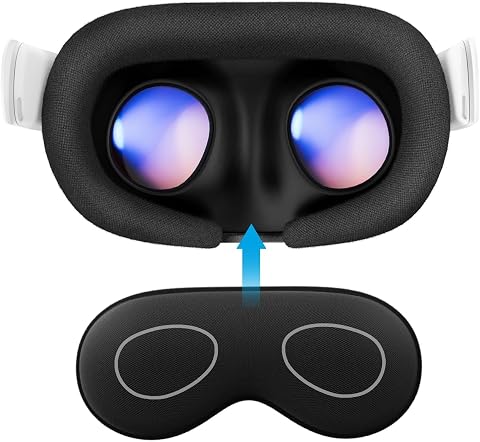
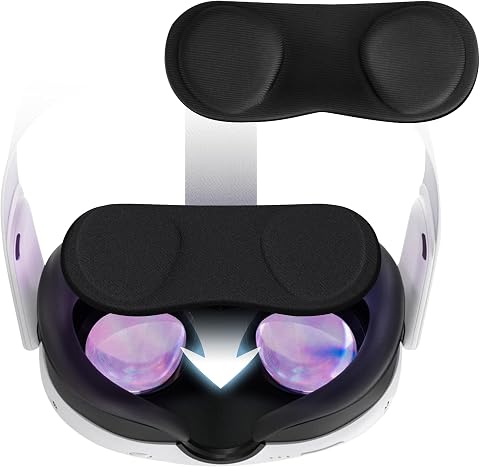
Complete the kit

Key Takeaways
- Meta Quest 3S balances affordability with sharp graphics but has limited battery life.
- Meta Quest 3 offers high-resolution visuals and more storage, suited for serious VR users.
- Meta Quest 2 remains a budget-friendly, portable option with broad content access.
- Oculus Go is the lightest, most portable but offers the least advanced features.
- Tradeoffs like battery duration, storage capacity, and visual fidelity are key in decision-making.
| Meta Quest 3S 128GB Virtual Reality Headset (Renewed Premium) |  | Best for budget-conscious casual users | Storage Capacity: 128 GB | Display Resolution: 2064 × 2208 pixels | Display Size: 2.5 inches | VIEW ON AMAZON | See Our Full Breakdown |
| Meta Quest 3 512GB Virtual Reality Headset with Gorilla Tag Bundle |  | Best for high-end immersive experiences | Storage: 512GB | Display: 4K+ Infinite Display | Processor: Snapdragon XR2 Gen 2 | VIEW ON AMAZON | See Our Full Breakdown |
| Meta Quest 3S 128GB Virtual Reality Headset with Gorilla Tag Bundle |  | Best for lightweight, portable VR | Storage: 128GB | Battery Life: 2+ hours | Processor: Snapdragon XR2 Gen 2 | VIEW ON AMAZON | See Our Full Breakdown |
| Meta Quest 2 — Advanced All-In-One Virtual Reality Headset — 128 GB |  | Best for budget-conscious VR lovers | Storage Capacity: 128 GB | Type: All-in-One VR Headset | Features: Wireless, built-in battery, 3D audio | VIEW ON AMAZON | See Our Full Breakdown |
| Oculus Go Standalone Virtual Reality Headset – 64GB |  | Best for ultra-portable, simple VR | Storage: 64GB | Platform: Qualcomm Snapdragon 821 | Display: High-quality optics | VIEW ON AMAZON | See Our Full Breakdown |
| vr headset standalone | Processor | Storage |
|---|---|---|
| Meta Quest 3S 128GB Virtual Re | Snapdragon XR2 Gen 2 | — |
| Meta Quest 3 512GB Virtual Rea | Snapdragon XR2 Gen 2 | 512GB |
| Meta Quest 3S 128GB Virtual Re | Snapdragon XR2 Gen 2 | 128GB |
| Meta Quest 2 | — | — |
| Oculus Go Standalone Virtual R | — | 64GB |
More Details on Our Top Picks
Meta Quest 3S 128GB Virtual Reality Headset (Renewed Premium)
The Meta Quest 3S stands out for delivering a wireless, untethered VR experience with solid graphics thanks to its Snapdragon XR2 Gen 2 processor. Its 8GB RAM and 2064×2208 pixel LCD display ensure clear visuals, making it suitable for immersive gaming and social apps. However, with only around 2 hours of battery life, extended sessions require frequent charging. Compared to the Meta Quest 3, it offers less storage and slightly lower resolution, but at a more accessible price point. This pick makes the most sense for buyers seeking a portable, easy-to-use VR headset without the premium price tag—though longer gaming marathons might be limited.
Pros:- Wireless and untethered for freedom of movement
- High-resolution display with sharp graphics
- Includes over 40 games with a free 3-month trial
- Lightweight and portable
Cons:- Battery life limited to around 2 hours
- No weight info—may be less comfortable over long use
- Requires charging for extended sessions
Best for: Casual gamers and first-time VR users on a budget
Not ideal for: Power users who need longer battery life or more storage for extensive gaming
- Storage Capacity:128 GB
- Display Resolution:2064 × 2208 pixels
- Display Size:2.5 inches
- Display Type:LCD
- Processor:Snapdragon XR2 Gen 2
- Memory:8 GB RAM
Our verdict“A well-rounded, affordable VR headset ideal for casual use and newcomers.”
Meta Quest 3 512GB Virtual Reality Headset with Gorilla Tag Bundle
The Meta Quest 3 with 512GB storage is designed for VR enthusiasts craving stunning visuals and richer content. Its 4K+ Infinite Display and dual RGB cameras enable immersive mixed reality, making it suitable for complex applications, including creative work and detailed gaming. The Snapdragon XR2 Gen 2 processor and 8GB RAM ensure smooth performance. The included bundle, featuring exclusive items and a 3-month trial of over 100 games, adds value. The main tradeoff is its larger size and setup space requirements, which could be a hurdle for some users. This model is best suited for those who prioritize visuals and storage, and are ready for a more premium setup.
Pros:- Vivid 4K+ display offers exceptional clarity
- Wireless, untethered experience
- Large storage capacity for extensive libraries
- Includes exclusive bundle items and game trials
Cons:- Battery life may be limited for long extended sessions
- Requires a dedicated space for optimal mixed reality use
- Higher cost than lower-storage options
Best for: VR power users and serious gamers
Not ideal for: Casual users or those with limited space
- Storage:512GB
- Display:4K+ Infinite Display
- Processor:Snapdragon XR2 Gen 2
- Memory:8GB RAM
- Battery Life:2+ hours
Our verdict“Ideal for users demanding high-resolution visuals and ample storage for serious VR gaming.”
Meta Quest 3S 128GB Virtual Reality Headset with Gorilla Tag Bundle
The Meta Quest 3S with 128GB strikes a balance between portability and performance. Its lightweight design and wireless setup make it ideal for users who want immersive VR on the go, whether for casual gaming or social experiences. The Snapdragon XR2 Gen 2 chip and 8GB RAM deliver smooth graphics, but the limited storage might restrict extensive game libraries. The included bundle with Gorilla Tag and other items adds entertainment value. Compared with the 512GB version, this model is more portable but less suitable for users with large libraries or those needing longer battery life for extended play.
Pros:- Lightweight and easy to carry
- Wireless for unrestricted movement
- Includes exclusive bundle items and game trials
- Good performance with Snapdragon XR2 Gen 2
Cons:- Limited storage capacity for extensive apps
- Battery life around 2 hours may be limiting
- Requires setup in a dedicated space
Best for: Travelers and casual VR users who value portability
Not ideal for: Heavy gamers or users with large content libraries
- Storage:128GB
- Battery Life:2+ hours
- Processor:Snapdragon XR2 Gen 2
- Cameras:Dual RGB color cameras
Our verdict“Best for those prioritizing portability over extensive storage or long gaming sessions.”
Meta Quest 2 — Advanced All-In-One Virtual Reality Headset — 128 GB
The Meta Quest 2 remains a popular choice for those seeking an all-in-one VR experience without the latest hardware. Its 128GB storage and built-in battery provide basic but immersive VR across a broad ecosystem of apps and games. While it doesn’t match the resolution or processing power of newer models, it offers reliable performance and straightforward setup. Its main limitations include storage capacity and slightly outdated specs, but it still covers most casual use cases well. This headset makes sense for newcomers or those who want a portable, wireless VR experience at a lower cost.
Pros:- Wireless, portable, no PC or console needed
- Wide variety of available titles
- Easy setup and use
- Affordable price point
Cons:- Limited storage for large libraries
- Graphics and processor are less advanced
- Requires a safe space for movement
Best for: Entry-level VR users and budget-conscious buyers
Not ideal for: Power users seeking high-fidelity visuals or large libraries
- Storage Capacity:128 GB
- Type:All-in-One VR Headset
- Features:Wireless, built-in battery, 3D audio
- Compatibility:Meta ecosystem
Our verdict“A reliable, affordable VR headset suitable for beginners and casual users.”
Oculus Go Standalone Virtual Reality Headset – 64GB
The Oculus Go is the lightest and simplest option, focused on portability and ease of use. Its 64GB storage limits extensive content, but it offers a comfortable, wire-free experience for casual viewing and light gaming. The built-in spatial audio and high-quality optics enhance immersion, while its basic hardware and lack of advanced features make it ideal for those who want a personal theater or social VR without fuss. However, it’s less suitable for serious gamers or users looking for the latest tech—its outdated processor and limited ecosystem restrict versatility.
Pros:- Extremely portable and lightweight
- Simple, no-fuss setup
- Built-in spatial audio enhances sound
- Affordable for basic VR needs
Cons:- Limited to Oculus app ecosystem
- No external display or expandable storage
- Outdated hardware may affect performance
Best for: Travelers or casual users seeking simplicity and portability
Not ideal for: Power users or those needing high-fidelity visuals
- Storage:64GB
- Platform:Qualcomm Snapdragon 821
- Display:High-quality optics
- Audio:Built-in spatial audio
Our verdict“A straightforward, ultra-portable VR headset for casual use and personal entertainment.”

How We Picked
Our selection process focused on standalone VR headsets released or prominent in 2026, emphasizing performance, usability, and value. We compared specifications like display resolution, processing power, storage, and battery life. Each product was evaluated for its role—whether for casual use, gaming, or premium experiences—and how well it balanced price against features. We also considered user feedback about comfort, ease of setup, and ecosystem compatibility to recommend options tailored to different types of buyers.
Factors to Consider When Choosing Vr Headset Standalone
When selecting a standalone VR headset in 2026, consider your primary use case—whether casual gaming, immersive experiences, or portability—and your budget. The key factors include display resolution, battery life, storage capacity, and ease of setup. Understanding these tradeoffs helps narrow down the best choice for your needs, whether you prioritize visual fidelity, extended playtime, or a lightweight form factor.Performance and Visual Quality
Higher resolution displays and powerful processors lead to more immersive, sharper visuals, but often come with increased costs and battery drain. For example, the Meta Quest 3 with 4K+ display excels in visual quality, ideal for detailed games and mixed reality. Conversely, models like Oculus Go prioritize portability over advanced visuals, making them suitable for casual use.
Battery Life and Usage Duration
Battery life varies from about 2 hours in most models to potentially less in high-performance headsets. If you plan longer gaming sessions or extended social use, look for models with at least 2 hours of battery life or consider how easily they can be charged during breaks. The Meta Quest 3S and Quest 3 both offer around 2 hours, which may be enough for casual play but limiting for marathon sessions.
Storage and Content Ecosystem
Storage capacity is crucial if you want to keep many games and apps locally. The 512GB Meta Quest 3 is best for extensive libraries, while 128GB models are more suitable for lighter users. Also, consider the content ecosystem—Meta’s platform provides a broad selection, but some headsets like Oculus Go are limited to specific apps and may lack recent content updates.
Portability and Comfort
If mobility and ease of use are priorities, lightweight models like Oculus Go or Quest 3S are preferable. For longer sessions, comfort factors such as adjustable straps and weight distribution matter. The Quest 3 models strike a good balance, but heavier headsets may cause fatigue over time.
Frequently Asked Questions
What is the main difference between the Meta Quest 3 and Meta Quest 3S?
The primary difference lies in their storage capacity and display resolution. The Meta Quest 3 offers 512GB of storage and a 4K+ display, making it better suited for serious VR enthusiasts who want higher visual fidelity and more space for content. The Quest 3S, with 128GB and a slightly lower-resolution LCD screen, targets budget-conscious users who want a portable, straightforward VR experience with less storage.
How does battery life affect my VR experience?
Battery life directly impacts how long you can comfortably use your VR headset without needing to recharge. Most models in 2026 offer around 2 hours, which is enough for casual gaming or social use, but less ideal for marathon sessions. If you often play for extended periods, consider models with larger batteries or plan charging breaks accordingly.
Are higher-resolution headsets worth the extra cost?
Higher-resolution headsets like the Meta Quest 3 with 4K+ displays provide sharper and more immersive visuals, which greatly enhances the experience for detailed gaming or mixed reality. However, they tend to be more expensive and may consume more battery power. For casual use or beginners, lower-resolution models like Oculus Go or Quest 2 can still deliver enjoyable VR without the premium price.
Is it necessary to have a lot of storage in a VR headset?
It depends on your content library size. If you plan to download many games, apps, or multimedia, larger storage like 512GB is beneficial. For casual or light users, 128GB usually suffices. Consider how many titles you want to keep installed simultaneously and choose accordingly—extra storage can prevent the need for frequent deletions.
What should I look for in terms of comfort and fit?
Comfort is essential for longer VR sessions. Look for adjustable straps, balanced weight distribution, and padding. Lightweight models like Oculus Go excel in portability and comfort but may lack advanced features. Heavier headsets like the Quest 3 can still be comfortable if they have ergonomic designs—try to find a model that fits well and feels secure without causing fatigue.
Conclusion
If you are new to VR or want a budget-friendly, portable option, the Oculus Go or Meta Quest 2 provide solid entry points with easy setup. For casual gamers who want a balance of performance and affordability, the Meta Quest 3S is a compelling choice. Power users seeking high-fidelity visuals and larger content libraries should consider the Meta Quest 3 with 512GB storage, despite its higher price and setup requirements. Each option offers distinct tradeoffs, so your choice hinges on your priorities—whether that’s convenience, performance, or budget.