For creators seeking professional audio quality, XLR microphones are often the preferred choice due to their durability and superior sound. The Shure MV7X stands out as the best overall because of its excellent balance of affordability and high-quality sound. The RØDE PodMic offers a broadcast-grade experience at a more accessible price, making it ideal for serious creators on a budget. However, choosing the right XLR mic involves tradeoffs between cost, complexity, and features. Continue reading for a full breakdown of the best options and how to pick the perfect microphone for your needs.

Get movie-night favorites delivered free — and shop member deals
- Fast, free delivery on millions of items
- Access to Prime Big Deal Days deals on October 6–7
- Prime Video, Amazon Music and more included
Complete the kit

Key Takeaways
- Top picks balance sound quality, build durability, and ease of use for creators at different levels.
- Many high-quality XLR mics require additional gear like audio interfaces, adding complexity and cost.
- The best value options often sacrifice some features but deliver professional sound on a budget.
- Certain microphones are optimized for specific uses like podcasting, streaming, or studio recording.
- Durability and ease of setup are key considerations that separate beginner-friendly options from premium models.
| Tonor Dynamic Podcast Microphone for Content Creators, Cardioid XLR/USB Mic |  | Best Overall for Versatility and Future-Proofing | Audio Enhancement Modes: Bass Roll-off, Vocal Clarity, Mid-Range Emphasis | Noise Reduction: AI Noise Reduction | Outputs: USB, XLR | VIEW ON AMAZON | See Our Full Breakdown |
| Maono PM320S Condenser PC Microphone with XLR Cable, Boom Arm, Pop Filter |  | Best for Studio-Quality Sound and Complete Setup | Power Requirement: 48V Phantom Power | Capsule Size: 16mm | Polar Pattern: Cardioid | VIEW ON AMAZON | See Our Full Breakdown |
| Samson Q2U USB/XLR Dynamic Microphone Recording and Podcasting Pack |  | Best for Versatile Connectivity and On-the-Go Recording | Connectivity Technology: USB-C, XLR | Polar Pattern: Unidirectional | Frequency Range: 50Hz–15kHz | VIEW ON AMAZON | See Our Full Breakdown |
| Shure MV7X XLR Dynamic Podcast & Recording Microphone – Black |  | Best for Professional-Grade Voice Clarity | Connectivity Technology: XLR | Connector Type: XLR | VIEW ON AMAZON | See Our Full Breakdown | |
| FIFINE AmpliGame AM8 USB/XLR Dynamic Microphone for Gaming and Streaming |  | Best for Gaming and Streamers with Style | Frequency Response: 50Hz-16KHz | Connection Types: USB, XLR | RGB Lighting: Yes | VIEW ON AMAZON | See Our Full Breakdown |
| MAONO PD200W Hybrid Wireless Podcast Microphone for PC, Dynamic XLR USB Mic |  | Best Versatile Connectivity | Connectivity: Wireless, USB, XLR | Dynamic Capsule: 30mm | Pickup Pattern: Cardioid | VIEW ON AMAZON | See Our Full Breakdown |
| MAONO A04 Gen2 XLR/USB Condenser Microphone Kit for PC and Podcast Recording |  | Best for Professional Studio Sound | Connectivity: XLR and USB | Sampling Rate: 192kHz/24bit | Frequency Response: 30Hz-16kHz | VIEW ON AMAZON | See Our Full Breakdown |
| FIFINE AmpliTank K688CT Podcast Microphone Kit, USB/XLR Dynamic Vocal Mic |  | Best for Versatile Podcasting & Streaming | Connectivity Technology: USB, XLR | Frequency Response: 50Hz-16KHz | Signal-to-Noise Ratio: 80dB | VIEW ON AMAZON | See Our Full Breakdown |
| RØDE PodMic Cardioid Dynamic Broadcast Microphone, XLR |  | Best for Broadcast-Quality Speech | Connectivity Technology: XLR | Polar Pattern: Unidirectional | Impedance: 150 ohm | VIEW ON AMAZON | See Our Full Breakdown |
More Details on Our Top Picks
Tonor Dynamic Podcast Microphone for Content Creators, Cardioid XLR/USB Mic
The Tonor Dynamic Podcast Microphone stands out for its flexible dual outputs, supporting both USB and XLR connections, which makes it ideal for creators who want an upgrade path without changing equipment later. Compared to the FIFINE AmpliGame AM8, it offers more precise control over sound with multiple EQ modes and AI noise reduction, delivering clearer audio in noisy environments. However, it does require additional cables for XLR use, which can add to setup complexity. This model’s ability to adapt to different devices and environments makes it a versatile choice, but its lack of compatibility with Xbox limits its use for console gamers. It’s best suited for creators who want a single mic for both entry-level and professional setups and are willing to invest in accessories.
Pros:- Supports both USB and XLR outputs for future upgrades
- AI noise reduction enhances audio clarity in noisy settings
- Multiple EQ modes for tailored sound profiles
- Precise volume control for mic and headphones
Cons:- XLR cables are not included, requiring extra purchase
- Limited compatibility with Xbox consoles
Best for: Content creators who want a flexible microphone capable of evolving with their setup, from beginner to advanced levels.
Not ideal for: Gamers primarily using Xbox consoles, since it’s not compatible with XBOX or without additional cables.
- Audio Enhancement Modes:Bass Roll-off, Vocal Clarity, Mid-Range Emphasis
- Noise Reduction:AI Noise Reduction
- Outputs:USB, XLR
- Control:Microphone and headphone volume adjustment, 3.5mm headphone jack
- Compatibility:USB: computers, PS4, PS5; XLR: sound cards
- Note:XLR cables not included, not compatible with XBOX
Our verdict“A highly adaptable microphone perfect for creators seeking flexibility and upgradeability in a single device.”
Maono PM320S Condenser PC Microphone with XLR Cable, Boom Arm, Pop Filter
The Maono PM320S excels in delivering studio-grade sound with its large condenser capsule and low-noise design, making it ideal for serious podcasters and musicians. Compared to the Shure MV7X, it provides a broader frequency response and a full accessory kit, including a boom arm and pop filter, giving it an edge for those wanting a professional-quality setup straight out of the box. Its reliance on 48V phantom power, however, can be a hurdle for beginners who lack a compatible audio interface, and its all-XLR design means less flexibility for casual creators. This microphone is best suited for those committed to a stationary, high-quality recording environment but who are prepared for a more complex setup.
Pros:- Studio-grade sound with wide frequency response
- Effective noise and vibration rejection
- All-in-one kit with accessories for easy setup
- Durable all-metal construction
Cons:- Requires external phantom power source
- Limited to XLR connection, not USB
- Complex setup for newcomers
Best for: Serious content creators and musicians seeking studio-quality sound with a ready-to-go kit.
Not ideal for: Beginners or mobile streamers who prefer USB simplicity and portability.
- Power Requirement:48V Phantom Power
- Capsule Size:16mm
- Polar Pattern:Cardioid
- Included Accessories:XLR cable, boom arm, shock mount, pop filter, windscreen
Our verdict“An excellent choice for creators prioritizing audio quality and professional equipment but prepared for a more involved setup process.”
Samson Q2U USB/XLR Dynamic Microphone Recording and Podcasting Pack
The Samson Q2U combines USB-C and XLR connectivity, making it a flexible choice for creators who need both portable and professional options. Compared with the FIFINE AmpliGame AM8, it offers a more straightforward setup with included accessories like a desktop stand and windscreens, suited for those who want ease of use alongside versatility. The unidirectional polar pattern helps focus on speech, but its limited frequency range and lack of multiple sound modes mean it’s less suited for music or complex audio environments. This mic is best for creators who frequently switch between recording at home and on location, but it may fall short for those needing high-fidelity studio sound.
Pros:- Dual USB-C and XLR outputs for flexible use
- Includes essential accessories for quick setup
- Good sound quality with high SNR
- Compact and portable design
Cons:- Setup can be complex for beginners
- Limited to unidirectional polar pattern
- No wireless or battery-powered options
Best for: Podcasters and streamers who need a hybrid mic for both mobile and desktop use.
Not ideal for: Music producers or those seeking multi-pattern microphones, since it’s limited to unidirectional pickup.
- Connectivity Technology:USB-C, XLR
- Polar Pattern:Unidirectional
- Frequency Range:50Hz–15kHz
- Hardware Platform:PC
- Item Dimensions:10.05 x 7.5 x 2.55 inches
Our verdict“A reliable, versatile microphone suited for creators who value both portability and professional connectivity without sacrificing sound quality.”
Shure MV7X XLR Dynamic Podcast & Recording Microphone – Black
The Shure MV7X is engineered for vocal clarity, with superior noise isolation thanks to its integrated shock mount and durable construction. It surpasses the Maono PM320S in portability for stationary setups, offering a focus on spoken word and streaming with a more rugged build. Its exclusive XLR connection limits flexibility but ensures high-quality, controlled audio when paired with a good interface or mixer. This mic’s optimized design for speech makes it less ideal for music or multi-instrument recordings. It’s perfect for creators who want a dedicated, high-end voice microphone for professional podcasting or streaming, willing to invest in additional equipment.
Pros:- Excellent noise isolation with shock mount
- Robust all-metal construction for longevity
- Optimized for speech and vocal recording
- Reliable XLR connection for professional control
Cons:- Limited to XLR connection, no USB option
- Requires external audio interface or mixer
- Less versatile for casual or mobile use
Best for: Podcasters and streamers seeking a durable, high-quality XLR microphone focused on vocal clarity.
Not ideal for: Casual users or those who want USB convenience and minimal setup.
- Connectivity Technology:XLR
- Connector Type:XLR
Our verdict“A professional-grade microphone best suited for serious voice content creators with existing audio infrastructure.”
FIFINE AmpliGame AM8 USB/XLR Dynamic Microphone for Gaming and Streaming
The FIFINE AmpliGame AM8 combines style with function, featuring RGB lighting and a built-in mute button, making it appealing for gamers and streamers who want a visually striking microphone. Its dual USB and XLR capabilities add versatility, but the RGB lighting and some features are only active in USB mode, which can be limiting. The XLR connection requires a separate audio interface, adding complexity and cost for those aiming for a professional sound. Compared with the Samson Q2U, the AM8 emphasizes aesthetic flair but sacrifices some ease of use and flexibility in XLR mode. It’s best for gamers who want visual impact but are okay with a more complex setup for XLR use.
Pros:- Dual USB and XLR connectivity for versatility
- Built-in mute button with LED indicator
- RGB lighting with memory function for gaming ambiance
- Noise-canceling windscreen included
Cons:- RGB lighting inactive in XLR mode
- Requires separate audio interface for XLR use
- Some features limited to USB mode
Best for: Gaming streamers and content creators who prioritize style and basic versatility in their microphone.
Not ideal for: Creators seeking a fully professional XLR setup or minimal feature set in a mic.
- Frequency Response:50Hz-16KHz
- Connection Types:USB, XLR
- RGB Lighting:Yes
- Mute Control:Yes
- Built-in Headphone Jack:Yes
Our verdict“A stylish, multi-purpose microphone ideal for gamers and streamers who enjoy visual customization but require an external interface for XLR functionality.”
MAONO PD200W Hybrid Wireless Podcast Microphone for PC, Dynamic XLR USB Mic
The MAONO PD200W stands out for its hybrid connectivity, offering wireless, USB, and XLR options in one device, making it ideal for creators who need flexibility across multiple platforms. Compared with the FIFINE AmpliTank K688CT, which is primarily USB/XLR, this model’s wireless capability adds convenience for mobile or remote setups. However, the need for an app for full customization can be a hurdle for less tech-savvy users, and its camera accessories are sold separately, adding extra costs. The sound quality is studio-grade with noise cancellation, and dual microphone support makes it suited for interviews or duo podcasts. The wireless range of 60 meters and 60-hour battery life are significant advantages for on-the-move recording. Tradeoffs include the extra complexity for beginners and additional accessory costs, but its flexibility makes it a prime pick for multi-platform creators.
Pros:- Versatile connectivity including wireless, USB, and XLR
- Studio-quality sound with noise cancellation
- Supports dual microphones for interviews or duo podcasts
- Long battery life and stable wireless range
Cons:- Camera/Lightning accessories sold separately
- Requires app for full customization, which may be complex for some users
Best for: Creators who need a flexible, all-in-one microphone for podcasting, streaming, and interviews, especially those who record both remotely and in-studio.
Not ideal for: Beginners or those seeking a simple plug-and-play setup, since managing multiple connectivity options and app controls can be complex.
- Connectivity:Wireless, USB, XLR
- Dynamic Capsule:30mm
- Pickup Pattern:Cardioid
- Signal-to-Noise Ratio:82dB
- Maximum SPL:128dB
- Wireless Range:60m
- Battery Life:up to 60 hours
Our verdict“This microphone is best for creators who value flexibility and advanced features over simplicity.”
MAONO A04 Gen2 XLR/USB Condenser Microphone Kit for PC and Podcast Recording
The MAONO A04 Gen2 offers high-resolution audio with both XLR and USB connections, making it a strong choice for creators aiming for professional-quality recordings. Its 192kHz/24bit sampling rate and detailed frequency response outperform simpler USB-only mics like the FIFINE AmpliTank K688CT. Compared to the PodMic, which is solely XLR and designed more for broadcast, the A04’s dual connectivity and included accessories provide a more versatile and ready-to-use setup. The need for phantom power in XLR mode and the absence of an XLR cable are notable tradeoffs, potentially complicating setup for beginners. Its comprehensive accessories, including a pop filter and shock mount, ensure excellent sound isolation and quality. This pick makes the most sense for users who want a flexible, high-quality studio mic capable of professional recordings in different environments.
Pros:- Dual XLR and USB connectivity for maximum versatility
- High-resolution audio with 192kHz/24bit sampling
- Includes comprehensive accessories for optimal sound
- Adjustable software controls for customization
Cons:- XLR cable not included, adding to cost
- Requires phantom power for XLR mode and not compatible with Xbox
Best for: Serious content creators and podcasters who want a professional-grade microphone with flexible connectivity options.
Not ideal for: Casual users or gamers seeking a simple plug-and-play device, as the setup complexity and need for phantom power might be a barrier.
- Connectivity:XLR and USB
- Sampling Rate:192kHz/24bit
- Frequency Response:30Hz-16kHz
- Polar Pattern:Cardioid
- Capsule Size:16mm
- Included Accessories:Pop filter, foam windscreen, shock mount, arm stand
Our verdict“This microphone suits creators who require high-end, flexible audio quality for professional recordings across multiple setups.”
FIFINE AmpliTank K688CT Podcast Microphone Kit, USB/XLR Dynamic Vocal Mic
The FIFINE AmpliTank K688CT delivers a balanced combination of USB and XLR connectivity, making it suitable for creators who want a versatile mic for both beginner and intermediate setups. Its included boom arm, shock mount, and windscreen streamline the setup process, and its noise reduction features help achieve clear recordings. When compared to the RØDE PodMic, which offers superior broadcast quality but lacks USB compatibility, the K688CT provides more flexible use for diverse setups. A notable tradeoff is the 16 KHz maximum frequency response, limiting some high-frequency detail, and the disabled function keys when using XLR, which could be inconvenient. Its intuitive controls and included accessories make it an appealing choice for those balancing ease of use with quality.
Pros:- Dual USB and XLR connectivity for flexibility
- Includes a sturdy boom arm, windscreen, and shock mount
- Mute and gain controls with noise reduction features
- Easy to set up and operate
Cons:- Function keys are disabled in XLR mode, requiring external control
- Limited to 16 KHz maximum frequency response
Best for: Podcasting and streaming creators needing a flexible mic with easy controls and included accessories.
Not ideal for: High-end broadcast professionals or users seeking the absolute highest frequency response for studio work, due to its 16 KHz limit.
- Connectivity Technology:USB, XLR
- Frequency Response:50Hz-16KHz
- Signal-to-Noise Ratio:80dB
- Special Features:Mute, noise reduction, volume control
- Included Accessories:Stand, shock mount, windscreen
Our verdict“This microphone is ideal for versatile creators who want quality sound with convenient features for both streaming and podcasting.”
RØDE PodMic Cardioid Dynamic Broadcast Microphone, XLR
The RØDE PodMic excels at delivering broadcast-quality sound, especially for speech and podcasting. Its internal pop filter and shock mounting significantly reduce plosives and vibrations, making it well-suited for professional voice work. Compared with the MAONO A04, which offers dual connectivity, the PodMic’s all-XLR design emphasizes a focus on high-quality, studio-grade output, but at the expense of plug-and-play convenience. Its robust all-metal build and substantial weight contribute to durability but require a stable mount. The 78dB SNR is respectable, though slightly lower than some competitors, and it’s heavier, so a sturdy stand is recommended. This model is best for creators who prioritize broadcast-quality sound and don’t mind the extra setup complexity.
Pros:- Excellent broadcast-quality sound tailored for speech
- Built-in pop filter and shock mounting reduce plosives and vibrations
- Durable all-metal construction for longevity
- Ideal for studio or broadcast environments
Cons:- Requires an external audio interface or mixer
- Not compatible with USB or plug-and-play setups
- Heavier weight may need sturdy mounting
Best for: Professional podcasters or broadcasters who want a durable, high-quality XLR microphone for speech-focused content.
Not ideal for: Beginners or casual streamers seeking USB convenience, since it requires an external interface or mixer.
- Connectivity Technology:XLR
- Polar Pattern:Unidirectional
- Impedance:150 ohm
- Signal-to-Noise Ratio:78dB
- Frequency Response:20Hz-20kHz
- Enclosure Material:Metal
Our verdict“This microphone is perfect for creators focused on high-quality speech delivery and professional broadcasting environments.”

How We Picked
This selection process focused on evaluating performance, build quality, versatility, and value. We prioritized microphones that deliver clear, professional sound with minimal noise, while also considering ease of use for creators who may not be audio experts. Additional factors included compatibility with common audio interfaces, durability for long-term use, and overall price-to-performance ratio. The ranking reflects a balance between affordability and premium features, aiming to help creators at different levels find suitable options without overpaying. Each product was assessed against these standards, and the best picks stand out for their specific strengths in these areas.Factors to Consider When Choosing Xlr Microphones For Creators
Choosing the right XLR microphone for content creation involves understanding several key factors. Beyond sound quality, ease of setup, durability, and compatibility with existing equipment play vital roles. Creators should also consider their budget and whether they need additional gear like audio interfaces or accessories. Making the wrong choice can lead to poor audio quality or unnecessary expenses, so understanding these broader considerations is crucial for a satisfying purchase.Sound Quality and Voice Characteristics
Sound quality is the most important factor. Look for microphones with a cardioid pickup pattern, which minimizes background noise and focuses on your voice. Some mics are better suited for certain voice types or recording environments, so consider whether you need a warmer, bass-heavy sound or a more neutral tone. High-quality condenser mics deliver detailed audio but may pick up more room noise, while dynamic mics like the PodMic are more forgiving in untreated spaces.
Build Quality and Durability
Since many creators use their microphones regularly, durability matters. Metal construction typically indicates a longer-lasting product and better resistance to wear and tear. A sturdy stand or shock mount compatibility can also prevent unwanted handling noise. While premium models often feature rugged builds, budget options may use plastic components, so weigh the importance of longevity against your budget.
Compatibility and Additional Gear
Most XLR microphones require an audio interface to connect to your computer, so compatibility with your existing setup is vital. Some mics are bundled with accessories like boom arms, pop filters, or cables, which can save money. Consider whether you prefer a plug-and-play solution or are willing to invest in additional equipment for better sound control. Also, check if the mic is compatible with your preferred recording software or streaming platform.
Budget and Cost-Effectiveness
High-end microphones provide superior sound but come at a premium price, often with extra gear costs. Budget options can still deliver professional results if paired with quality audio interfaces and proper setup. Avoid the trap of overspending on features you don’t need, but also don’t cut corners at the expense of sound clarity. Finding a balance between cost and performance is key to making a satisfying investment.
Ease of Use and Setup
Some microphones are more user-friendly, with straightforward setups and minimal adjustments, making them ideal for beginners. Others offer advanced features like gain control or built-in shock mounts, which can enhance your recording experience but add complexity. Consider your comfort level with technical setup and whether you prefer a simple, reliable mic or are willing to learn and customize for optimal results.
Frequently Asked Questions
Do I need an audio interface for an XLR microphone?
Yes, most XLR microphones require an audio interface to connect to your computer because they do not have built-in USB output. An audio interface converts analog signals to digital, providing better sound quality and control. Investing in a quality interface can significantly improve your recording experience and is usually a worthwhile addition for serious creators. Some bundles include both a mic and an interface, which can simplify your setup.
Is a more expensive XLR microphone always better?
Not necessarily. While higher-priced microphones often have better build quality and more refined sound characteristics, the best choice depends on your specific needs and environment. For example, a budget dynamic mic may outperform a costly condenser in noisy spaces. It’s important to match the microphone’s strengths to your recording situation and to consider how much you’re willing to invest in additional gear like interfaces or accessories.
Can I use an XLR microphone for streaming and podcasting?
Absolutely. Many XLR microphones are well-suited for streaming and podcasting, especially models with excellent noise rejection and clear sound profiles. However, since they require additional equipment, you’ll need an audio interface and possibly a boom arm or shock mount. Proper setup can yield studio-quality audio that enhances your content’s professionalism, but it does involve a slightly steeper learning curve compared to USB mics.
How do I choose between a dynamic and condenser XLR microphone?
Dynamic microphones tend to be more durable and better at rejecting background noise, making them ideal for untreated spaces or live environments. Condenser mics, on the other hand, capture more detail and nuance, which can be beneficial in controlled recording settings. Your choice should depend on your recording environment and the sound profile you prefer. Many creators favor dynamics for streaming and podcasts due to their robustness and noise rejection.
What accessories should I consider with my XLR microphone?
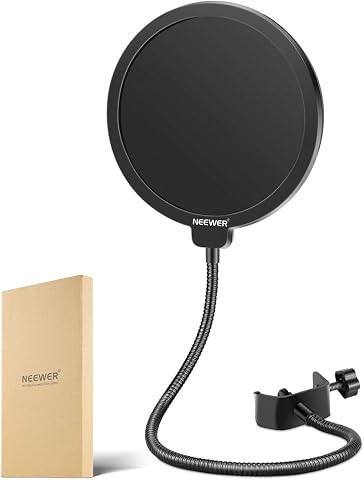
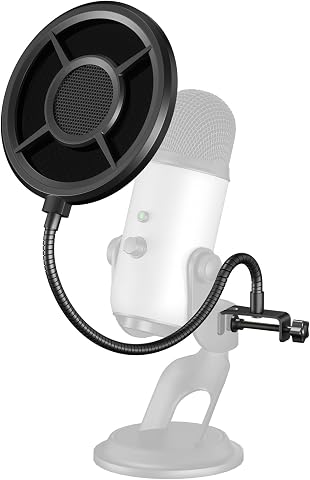
Key accessories include a sturdy boom arm or mic stand, a pop filter to reduce plosive sounds, and a shock mount to minimize handling noise. Good cabling is also important for maintaining sound integrity. Investing in these accessories can significantly improve your recording quality and comfort, especially if you plan to use the mic regularly. Some bundles include these items, offering better value overall and simplifying your setup process.
Conclusion
For creators who prioritize ease of use and budget-friendly options, models like the Maono PM320S and FIFINE AmpliGame AM8 offer solid performance without overly complex setups. Serious podcasters and streamers seeking professional broadcast sound should look at the Shure MV7X, which strikes a great balance of features and affordability. Those aiming for premium audio and durability might prefer the RØDE PodMic or high-end Shure models, especially if they have the budget for additional gear. Beginners should focus on simplicity and compatibility, while experienced creators might prioritize sound customization and build quality. This guide helps tailor your choice to your specific content creation needs in 2026.
As an affiliate, we earn on qualifying purchases.Halloween Picks
halloween