In *North of North*, you’ll notice authentic Inuk cultural references through traditional storytelling, clothing, and art that reflect real Inuit experiences. The series highlights community resilience, incorporates Indigenous languages like Inuktitut, and features culturally significant symbols and craftsmanship. You’ll see empowered Inuit women and scenes that celebrate heritage amid social challenges. To discover how these elements enrich the story, keep exploring how the show integrates cultural symbols and practices authentically.
Open a free Amazon Business account
Business pricing, bulk buying and tax-exempt orders.
As an affiliate, we earn on qualifying purchases.
Key Takeaways
- The series incorporates traditional Inuit storytelling techniques and legends to enhance cultural authenticity.
- It features traditional clothing made from sealskin, fur, and other local materials, symbolizing cultural identity and resilience.
- Inuktitut and local dialects are used in dialogue and storytelling, emphasizing language preservation.
- Cultural symbols and spiritual beliefs are reflected through visual art, murals, and narrative elements.
- The show highlights community practices, social challenges, and indigenous resilience rooted in Inuit cultural traditions.
As an affiliate, we earn on qualifying purchases.
Authentic Inuit Storytelling and Narrative Techniques

How does *North of North* guarantee its storytelling remains authentic to Inuit culture? You’ll notice that the series centers Inuit voices, with creators Stacey Aglok MacDonald and Alethea Arnaquq-Baril ensuring the narrative reflects real experiences. They draw on traditional Inuit storytelling methods, emphasizing oral histories and community-based stories that highlight resilience and cultural values. The series integrates local legends and perspectives, giving viewers an authentic view of Inuit life. It avoids stereotypes by portraying complex characters and addressing serious issues like trauma and family bonds. The storytelling style is straightforward, blending humor with heartfelt moments—mirroring Inuit storytelling traditions. By grounding the narrative in Inuit experiences and using local talent, *North of North* maintains genuine cultural integrity. Additionally, the series employs authentic narrative techniques rooted in Inuit oral traditions, which helps preserve and showcase the richness of Inuit storytelling methods.
As an affiliate, we earn on qualifying purchases.
Depiction of Traditional Clothing and Craftsmanship
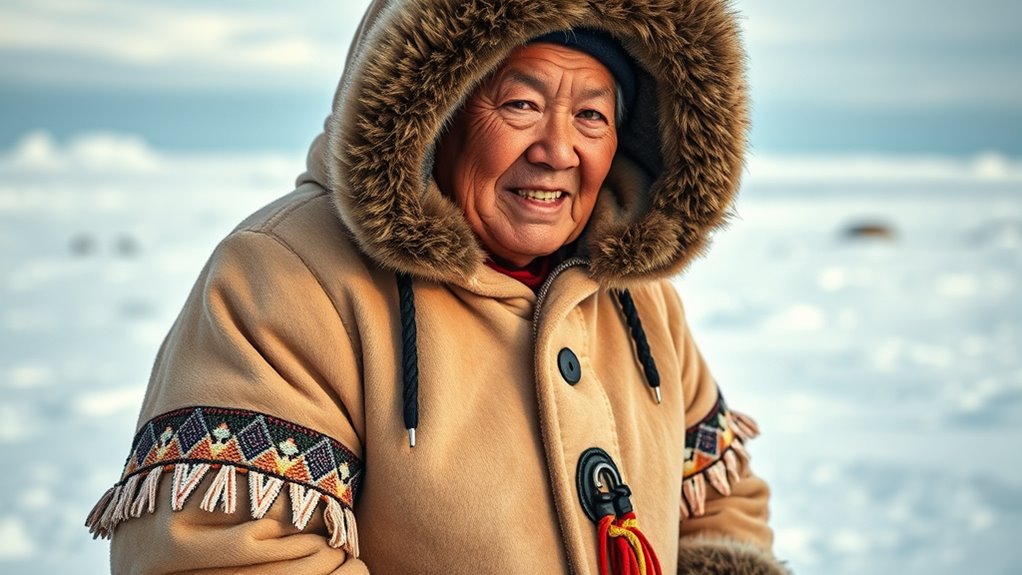
You’ll notice how the series highlights authentic Inuit attire, showcasing traditional designs and materials. The craftsmanship involves handcrafted techniques using local resources like sealskin and fur, emphasizing cultural importance. These fashion choices reflect more than style—they embody the community’s history and identity. Incorporating cultural symbolism into clothing further reinforces the significance of traditional craftsmanship in expressing Inuit heritage.
Authentic Inuit Attire
In *North of North*, the depiction of traditional Inuit attire is both authentic and purposeful, reflecting the rich craftsmanship of Arctic communities. You’ll notice the detailed use of locally sourced materials like sealskin, caribou hide, and fur, which are essential for warmth and cultural expression. The costumes are designed with precision, showcasing the skills of Inuit artisans. These garments aren’t just clothing—they symbolize identity and resilience. To help you appreciate this, here’s a quick overview:
| Item | Significance |
|---|---|
| Parkas | Insulation and cultural pride |
| Sealskin boots | Protection against Arctic cold |
| Fur-lined hoods | Shield from wind and snow |
| Traditional accessories | Symbols of status and heritage |
This attention to detail highlights the importance of cultural preservation through clothing in the series.
Handcrafted Materials and Techniques
The series vividly showcases traditional Inuit clothing crafted with meticulous attention to detail, highlighting the skill and artistry of Arctic artisans. You’ll notice the use of locally sourced materials like sealskin, caribou, and fox fur, which are carefully prepared through age-old techniques. The craftsmanship involves specialized tanning, sewing, and decorating methods passed down through generations. For example, the intricate stitching on parkas and the use of bone and ivory toggles demonstrate expert handiwork. The show emphasizes the cultural importance of these techniques, preserving Inuit heritage. By showcasing handcrafted materials and methods, *North of North* not only celebrates Inuit craftsmanship but also reinforces the community’s connection to their environment and traditions, ensuring these skills are recognized and valued in contemporary storytelling. Halal dietary practices can serve as a parallel in emphasizing the importance of preserving traditional methods and cultural integrity.
Cultural Significance of Fashion
Traditional Inuit clothing in *North of North* plays a crucial role in conveying cultural identity and craftsmanship. You’ll notice how the series highlights garments like parkas and sealskin gear, emphasizing their significance beyond practicality. These outfits are crafted with local materials, showcasing traditional techniques passed down through generations. The show uses authentic designs to honor Inuit artistry and to preserve cultural heritage. By featuring these garments, the series celebrates the skill and resilience of Inuit artisans, making fashion a powerful storytelling tool. It also challenges stereotypes by portraying Inuit clothing as more than just utilitarian; it’s a symbol of pride, identity, and community. Through this focus, *North of North* underscores the importance of traditional fashion in maintaining cultural continuity. Additionally, the series highlights the importance of authentic craftsmanship that sustains and revives these traditional techniques today.
As an affiliate, we earn on qualifying purchases.
Representation of Community Life and Social Challenges
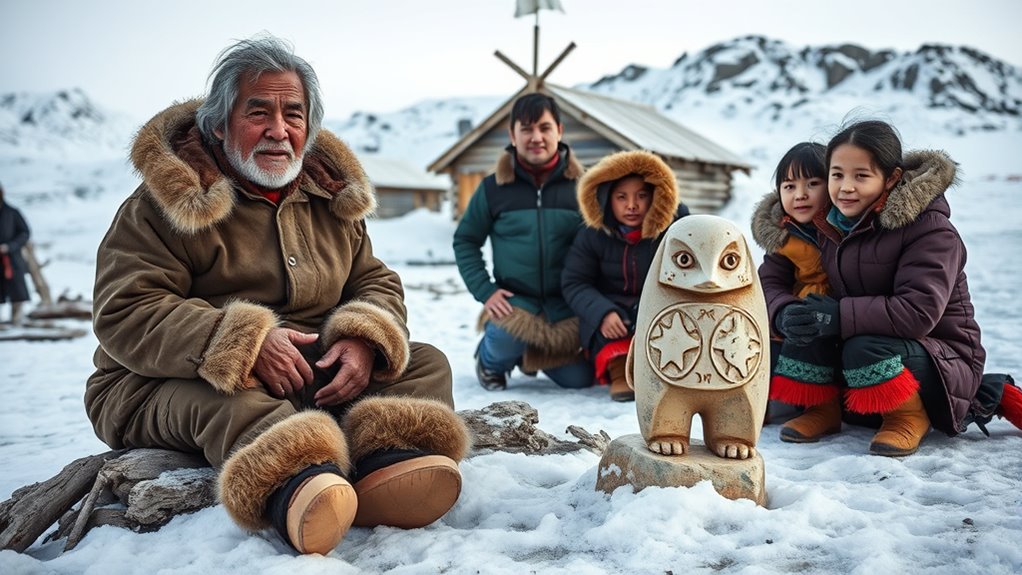
You see how *North of North* highlights community resilience and the importance of unity in facing social challenges. The series doesn’t shy away from issues like housing shortages, showing how residents navigate these struggles together. It also emphasizes cultural preservation, illustrating how traditions are maintained amid modern pressures. Incorporating practices like mindfulness can help community members cope with stress and foster emotional well-being.
Community Resilience and Unity
Community resilience shines through in *North of North* as it vividly portrays the strength and unity of Inuit life in Ice Cove. You see how residents support each other through hardships like housing shortages and climate challenges, emphasizing collective perseverance. The series highlights cultural practices that strengthen bonds, such as sharing traditional food and participating in community events. Siaja’s relationships show how personal growth is intertwined with community well-being, illustrating the importance of unity. Despite facing social struggles, the community’s resilience remains evident in their mutual aid and cultural pride. The show celebrates Inuit solidarity, demonstrating that even in adversity, their collective spirit endures. Additionally, the portrayal of Indigenous cultural practices emphasizes the significance of maintaining traditions to foster community resilience. It’s a powerful reminder of how community ties sustain and empower Indigenous peoples in the North.
Addressing Housing Issues
Housing issues are a significant challenge in Ice Cove, and *North of North* addresses them head-on by illustrating the daily struggles residents face with overcrowded and inadequate homes. You see how limited housing options force families to share cramped spaces, making daily life stressful. The series shows the impact of poor housing on health, safety, and community cohesion, highlighting systemic neglect. Characters navigate these hardships while trying to maintain their cultural roots and support each other. The show emphasizes the importance of community-driven solutions and local efforts to improve living conditions. Through authentic storytelling, you gain insight into how housing insecurity affects personal well-being and community resilience, reflecting real struggles faced by many Inuit communities today. Additionally, the series sheds light on the importance of building sustainable housing that respects cultural values and promotes long-term stability.
Navigating Cultural Preservation
Navigating cultural preservation in *North of North* involves balancing tradition with modern life, often highlighting the challenges and triumphs of maintaining Inuit identity. You see this through how the series integrates traditional clothing, art, and storytelling, grounding viewers in Inuit culture. The show emphasizes local talent, from costume makers to community members, ensuring authenticity. It also tackles social issues like housing and climate change, showing how these impact cultural continuity. By portraying strong, empowered Indigenous characters, *North of North* challenges stereotypes and offers a nuanced view of contemporary Inuit life. The series serves as a bridge—preserving cultural practices while evolving with new narratives—helping you understand the importance of safeguarding Inuit identity amid social change. Additionally, highlighting cultural symbols in the series reinforces the significance of traditional beliefs and practices in contemporary life.
As an affiliate, we earn on qualifying purchases.
Integration of Arctic Environment and Landscape
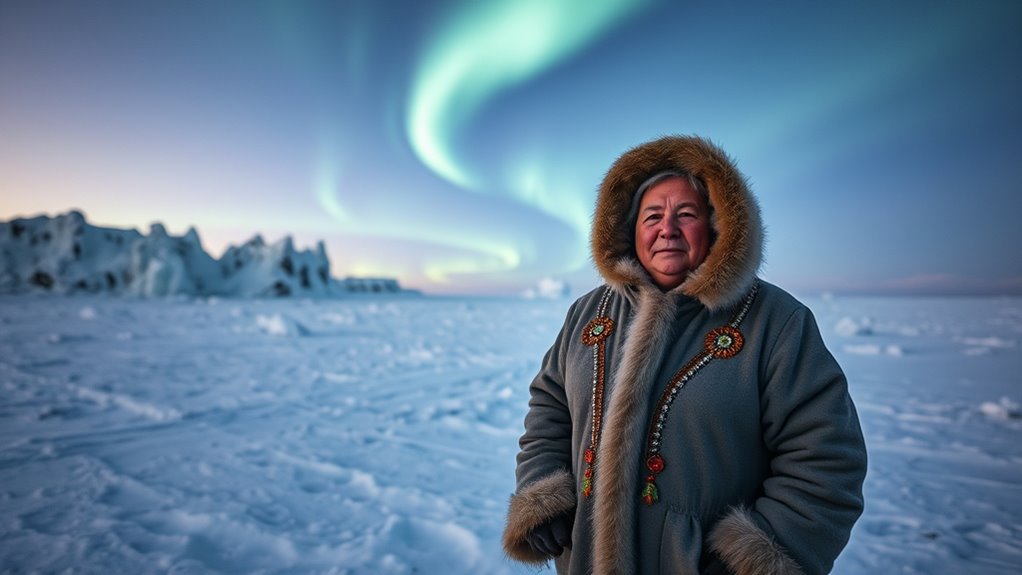
By immersing viewers in the stark beauty of the Arctic landscape, *North of North* seamlessly integrates the environment into its storytelling. You see the icy tundra, snow-covered hills, and shimmering ice floes that define daily life in Ice Cove. The series captures how the landscape influences characters’ routines, from hunting and fishing to community gatherings. You notice the way the environment shapes cultural practices, clothing, and shelter, emphasizing resilience amid harsh conditions. The visuals highlight the quiet majesty of glaciers and the endless horizon, reinforcing the connection between people and land. This integration fosters a genuine sense of place, reminding you that the Arctic environment is not just a backdrop but an essential part of Inuit identity and storytelling.
Use of Local Art and Symbolism in Visual Design

- Patterns inspired by Inuit stone carvings and embroidery
- Use of sealskin and other traditional materials in wardrobe details
- Artful incorporation of storytelling symbols in murals and banners
- Designs reflecting Inuit spiritual beliefs and connection to nature
- Techniques such as layering and blending in traditional art forms highlight the depth and complexity of Inuit craftsmanship, emphasizing the importance of cultural symbolism in visual design.
Portrayal of Indigenous Women as Empowered Figures
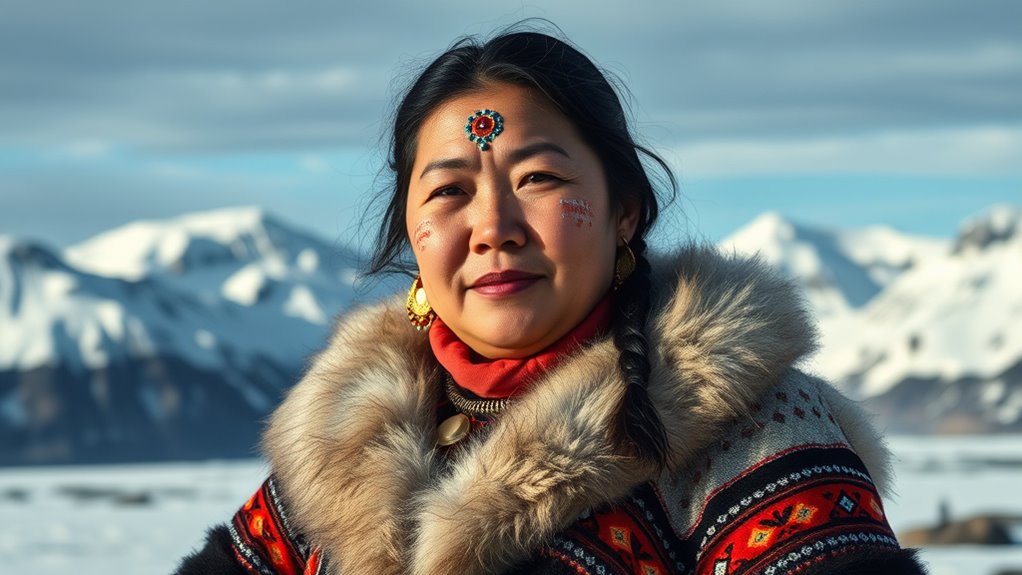
| Traditional Stereotypes | Empowered Representation |
|---|---|
| Victims of circumstance | Leaders in change |
| Passive and subordinate | Active decision-makers |
| Defined solely by trauma | Celebrated for resilience |
| Often associated with spoiled lemon juice | Challenged by positive narratives |
Addressing Cultural Issues and Historical Trauma
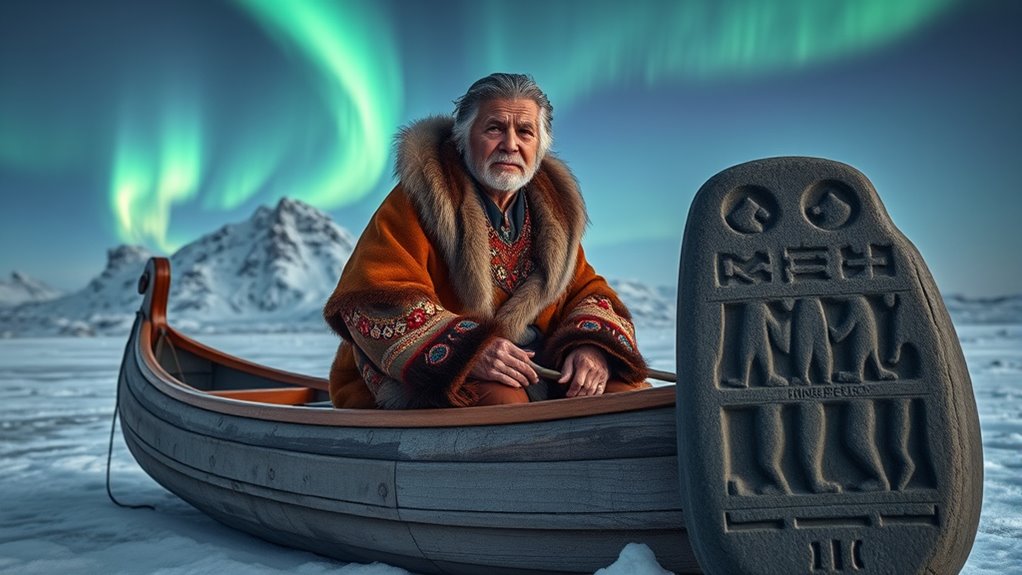
You’ll notice it features:
- Honest portrayals of intergenerational trauma and grief
- Characters confronting their history to find healing
- Discussions about the loss of language and cultural practices
- Recognition of systemic issues like housing and access challenges
Showcasing Indigenous Languages and Dialects
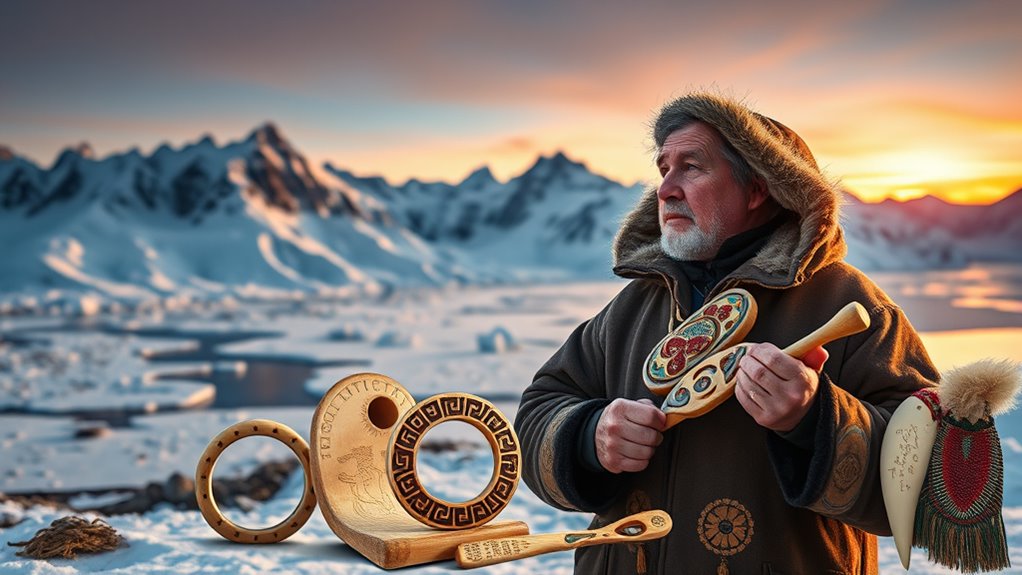
| Scene Description | Imagery Created |
|---|---|
| Elder telling a story | Warm, rhythmic Inuktitut words filling the air |
| Community gathering | Vibrant Inuit clothing, elders speaking fluently |
| Market scene | Signs in Inuktitut, local dialects spoken |
| Family dinner | Children learning words from elders |
This blend of languages immerses you in Inuit culture, respecting their linguistic richness and fostering a genuine connection to the community’s identity.
Promotion of Inuit Cultural Arts and Economic Opportunities

How does *North of North* actively promote Inuit cultural arts and create economic opportunities? The show highlights local artists and artisans by featuring traditional clothing, crafts, and designs made with authentic Inuit materials. It also employs Inuit talent in production roles, supporting the community’s economy. The series elevates Inuit art through costumes and props, showcasing their craftsmanship to a global audience. Additionally, it partners with local businesses and artisans, helping to generate income and visibility for Inuit creators. By emphasizing cultural pride and entrepreneurship, *North of North* fosters economic growth.
- Showcases traditional clothing and crafts
- Employs local Inuit talent in production
- Partners with community artisans and businesses
- Promotes Inuit cultural products internationally
Frequently Asked Questions
How Does the Series Incorporate Traditional Inuit Storytelling Methods?
You see the series incorporate traditional Inuit storytelling through the use of oral storytelling techniques, like storytelling circles and folklore themes, which emphasize community and cultural values. You notice the narrative often includes legends and myths, blending them seamlessly with modern issues. The show also uses Indigenous languages and symbols, creating an authentic atmosphere that respects Inuit storytelling traditions while making them accessible to a broader audience.
Are Specific Inuit Symbols Used in the Show’s Visual Elements?
You’ll notice Inuit symbols woven into the show’s visual fabric like threads in a traditional garment. Symbols such as seals, polar bears, and snowflakes appear in costumes, art, and props, serving as cultural anchors. These visuals act as silent storytellers, echoing Inuit spirituality and connection to nature. By integrating these symbols, the show creates a tapestry that celebrates Inuit identity while grounding viewers in Arctic life’s profound symbolism.
What Role Do Elders and Community Leaders Play in the Series?
In *North of North*, elders and community leaders play a crucial role by guiding the protagonist and shaping the story’s cultural authenticity. You see them offering wisdom, sharing traditions, and supporting personal growth. Their presence emphasizes the importance of community and respect for Inuit values. You witness how their leadership influences decisions, preserves cultural practices, and fosters a sense of identity, helping to strengthen community bonds throughout the series.
How Authentic Are the Language and Dialects Spoken in the Show?
You’ll find the language and dialects in *North of North* are pretty authentic, sounding natural and true to Inuit speech patterns. The creators worked closely with local speakers to guarantee accuracy, so it’s like hitting two birds with one stone—respecting linguistic traditions while making the show accessible. This genuine use of dialects helps viewers connect deeper with the community, really bringing the Arctic setting to life.
Does the Series Feature Traditional Inuit Music or Oral Traditions?
Yes, the series features traditional Inuit music and oral traditions. You’ll notice the use of indigenous throat singing, drum dancing, and traditional songs woven into the storyline, which help to preserve and showcase Inuit cultural heritage. The show also incorporates storytelling techniques passed down through generations, emphasizing community bonds and cultural identity. These elements add authenticity and deepen your understanding of Inuit life and resilience.
Conclusion
As you explore *North of North*, you’ll see the Inuit spirit woven like a vibrant tapestry, each thread telling stories of resilience, tradition, and hope. The film paints a canvas alive with Arctic colors, where cultural roots run deep like ancient ice beneath the surface. It invites you to walk alongside these communities, witnessing their strength and beauty blossom like the northern lights, illuminating a path toward understanding and respect.
Flea & tick season Picks
flea and tick prevention
As an affiliate, we earn on qualifying purchases.