
AI-generated clips can transform your media workflows by speeding up content creation and automating tasks like editing and shot selection. This allows you to respond faster to trends or breaking news while reducing costs. You’ll have more time for innovative storytelling and personalization. However, it’s important to contemplate ethical and legal issues like authenticity and copyright. To discover how these changes can shape your media projects, keep exploring the possibilities.
Key Takeaways
- AI accelerates content creation by automating editing, shot selection, and trend responsiveness.
- It reduces production costs and streamlines workflows, enabling faster publishing.
- AI-powered tools facilitate personalized content, enhancing viewer engagement.
- Ethical and legal considerations require careful management to maintain trust and compliance.
- Continuous technological advancements keep media workflows innovative and competitive.
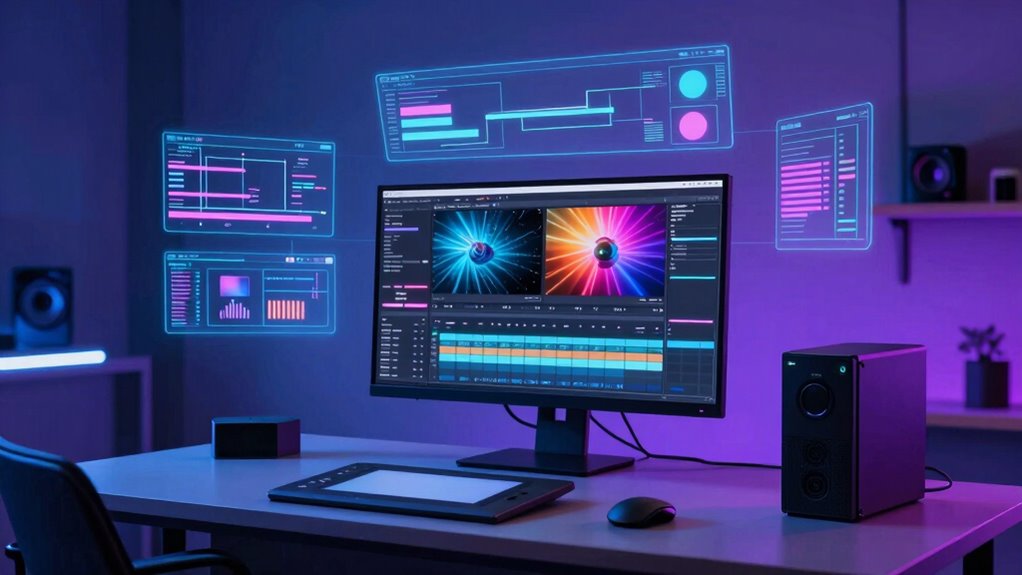
Artificial intelligence is transforming how media content is created and managed, making it faster and more efficient than ever before. When it comes to AI-generated clips, you’re likely to see a significant shift in media workflows, streamlining tasks that once took hours or days. Instead of manually editing footage or hunting for perfect shots, AI tools can generate, enhance, and assemble clips automatically, freeing you up to focus on creative direction and storytelling. This shift accelerates production timelines, allowing you to respond quickly to trends or breaking news, and reduces costs associated with traditional editing processes.
AI accelerates media workflows, enabling faster content creation and reducing costs through automated editing and assembly.
However, as you incorporate AI-generated clips into your workflow, you must also consider ethical considerations. The use of AI raises questions about authenticity and transparency—viewers might not always be able to distinguish between human-created and machine-generated content. It’s essential to maintain honesty about how your media is produced to uphold trust with your audience. Additionally, there’s the concern of potential misuse, such as creating deepfakes or misleading visuals, which can have serious ethical repercussions. Making sure that your use of AI aligns with ethical standards helps you avoid damaging your reputation or unintentionally spreading misinformation.
Another key aspect to keep in mind is copyright implications. When AI tools generate clips based on existing media, you need to navigate complex copyright laws. If your AI model is trained on copyrighted material without proper licensing, you risk legal challenges. Similarly, the ownership rights of AI-generated content are still evolving, and it’s unclear who holds the copyright—the creator of the AI, the user, or the platform provider. This uncertainty can complicate licensing, distribution, and monetization strategies. Staying informed about copyright regulations and to implement clear policies regarding the use of AI-generated clips helps protect yourself legally. Additionally, understanding content licensing can help you avoid infringement issues and ensure your media assets are properly protected.
Despite these challenges, AI-generated clips bring remarkable opportunities to your media workflows. They enable rapid content creation, personalized experiences, and innovative storytelling techniques that weren’t feasible before. By thoughtfully integrating AI tools, you can enhance your productivity and creativity. It’s also important to stay updated on emerging AI technologies to leverage new capabilities and stay competitive. Just remember to approach this technology responsibly, addressing ethical considerations and copyright implications upfront. Doing so ensures your media production remains trustworthy, legally sound, and forward-thinking—positioning you at the forefront of a rapidly evolving industry.
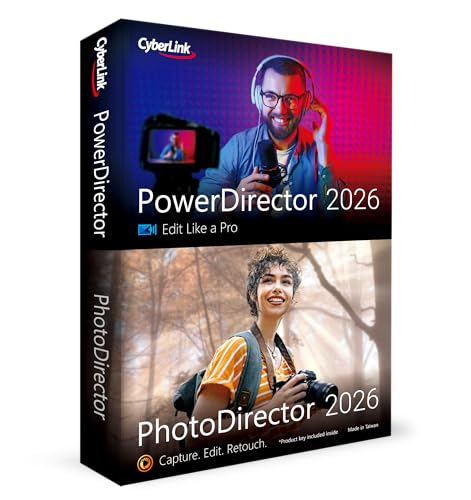
CyberLink PowerDirector & PhotoDirector 2026 | AI Video and Photo Editing Software for Windows | Slideshow Maker, Effects & Creative Design Tools | Box with Download Code
Quick Actions – AI analyzes your photo and applies personalized edits.
As an affiliate, we earn on qualifying purchases.
As an affiliate, we earn on qualifying purchases.
Frequently Asked Questions
How Secure Are Ai-Generated Clips Regarding Intellectual Property Rights?
AI-generated clips raise questions about digital ownership and copyright enforcement. You might find these clips aren’t fully secure, as AI can create content similar to existing works, risking infringement. It’s vital to understand that rights aren’t automatically assigned, so clear attribution and licensing are necessary. As AI advances, protecting intellectual property becomes more complex, making it essential for creators to stay informed about legal frameworks surrounding digital ownership and copyright enforcement.
Can Ai-Generated Clips Fully Replace Human Editors?
You might think AI-generated clips can fully replace human editors, but it’s unlikely. Studies show AI handles about 60% of editing tasks, yet creative authenticity remains a human strength. Human oversight guarantees nuanced storytelling and emotional depth that AI can’t replicate. While AI speeds up workflows, it’s essential to combine automation with human judgment to preserve originality and maintain quality. So, AI enhances, but doesn’t replace, human editing expertise.
What Are the Costs Associated With Implementing AI Clip Technology?
Implementing AI clip technology involves costs like software licenses, hardware upgrades, and ongoing maintenance, which you should include in your cost analysis. Adoption barriers, such as staff training and integrating new tools into existing workflows, can also add expenses. While initial investments may seem high, the efficiency gains could offset costs over time, making AI a valuable addition if you carefully evaluate these factors before adoption.
How Does AI Ensure Diversity and Unbiased Content Creation?
Ever wondered how AI guarantees diversity and unbiased content creation? It actively incorporates bias mitigation techniques, analyzing datasets to reduce stereotypes and unfair representations. AI also promotes cultural representation by learning from diverse sources, ensuring content reflects a broad spectrum of perspectives. By continuously refining algorithms and including diverse data, AI helps create more inclusive media, fostering authentic storytelling that resonates globally without perpetuating biases.
What Are the Ethical Considerations of Ai-Generated Media?
You need to contemplate the ethical implications of AI-generated media, especially around maintaining authentic authenticity and fostering creative collaboration. AI can blur lines between real and synthetic content, raising concerns about misinformation and manipulation. It’s essential to guarantee transparency and accountability, so audiences trust what they see. By prioritizing ethical standards, you can promote responsible use of AI, preserving genuine human creativity while leveraging its potential for innovative storytelling.
automated clip generator
As an affiliate, we earn on qualifying purchases.
As an affiliate, we earn on qualifying purchases.
Conclusion
As AI-generated clips become part of your media workflow, they’ll reshape how you create and edit content—like a fresh breeze sweeping through a crowded room. Embrace these tools to boost efficiency, reduce costs, and reveal new creative horizons. While they won’t replace human ingenuity, they’ll serve as your trusty co-pilots, guiding you through the evolving landscape of media production. Get ready to navigate this exciting frontier—your next masterpiece is just a click away.
AI-powered media workflow tools
As an affiliate, we earn on qualifying purchases.
As an affiliate, we earn on qualifying purchases.

Handbook of Digital Face Manipulation and Detection: From DeepFakes to Morphing Attacks (Advances in Computer Vision and Pattern Recognition)
As an affiliate, we earn on qualifying purchases.
As an affiliate, we earn on qualifying purchases.